

Maddy summaryHR 4307, the Medical Supply Chain Resiliency Act, establishes a framework for the U.S. to negotiate agreements with trusted foreign partners to secure reliable supplies of critical medical goods like drugs and devices. It directs the President to create "trusted trade partner agreements" with countries that maintain open trade during health emergencies, protect intellectual property, and reduce unnecessary trade barriers. These agreements would eliminate duties or restrictions on medical goods, diversify supplier networks, and harmonize regulatory standards to prevent shortages like those seen during the pandemic. The bill directly affects U.S. manufacturers, healthcare providers, and importers by aiming to reduce over-reliance on a few nations for essential medical products.
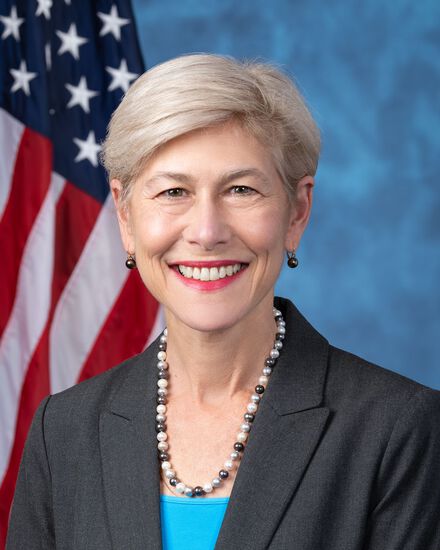
Rep. Deborah K. Ross
Sponsored bills
Maddy summaryThis bill expands access to lung cancer screening by requiring Medicaid, Medicare, and private insurance plans to cover annual screenings without cost-sharing or prior authorization for individuals meeting U.S. Preventive Services Task Force guidelines. It also removes pregnancy-based restrictions on tobacco cessation services, extending coverage for counseling and medications to all Medicaid enrollees. The law applies to all Medicaid beneficiaries, Medicare participants, and private insurance plans starting January 2024, eliminating barriers like co-pays or pre-approval for recommended screenings. Additional provisions include $10 million annually for public education campaigns and a federal study on under-screened lung cancer demographics.
Maddy summaryThe ARC Act of 2023 establishes a national program to address peripheral artery disease (PAD), which disproportionately affects minority populations and leads to avoidable amputations. The bill requires Medicare and Medicaid to cover PAD screening tests (such as ankle-brachial index testing) for at-risk beneficiaries without cost-sharing, including people 65+ or those with diabetes, smoking history, or other risk factors. It authorizes $6 million annually for a CDC-led education program to inform healthcare providers and the public about PAD prevention and treatment. The bill also creates quality measures to encourage alternative treatments to amputation and establishes a pilot program to test amputation prevention services at healthcare facilities. These provisions aim to reduce amputation rates and improve outcomes for millions of Americans with PAD.
Maddy summaryThis bill, the Public Servants Protection and Fairness Act of 2023, amends Social Security to better protect public servants who work in jobs not covered by Social Security (such as certain government positions). It creates a new formula for calculating retirement benefits that combines both covered and noncovered earnings, ensuring public servants receive the higher of two benefit calculations. The bill also provides an additional $150 monthly payment for certain public servants whose benefits were previously reduced by the windfall elimination provision. It improves Social Security account statements to clearly show noncovered earnings and requires a study of how state retirement plans handle these benefits. These changes will apply to benefits starting in 2025.
Maddy summaryThe CONNECT for Health Act of 2023 aims to expand access to telehealth services under Medicare by removing barriers that previously limited who could provide these services and where they could be delivered. The bill eliminates geographic restrictions on telehealth coverage, allows telehealth services to be provided from the patient's home and other clinically appropriate locations, and expands the types of healthcare providers who can offer telehealth services. It also improves the process for adding new telehealth services to Medicare coverage and includes provisions to ensure quality measurement includes telehealth services. This legislation directly affects Medicare beneficiaries seeking remote care and healthcare providers delivering telehealth services, with key provisions taking effect between 2024 and 2025.
Maddy summaryThe LIFT the BAR Act removes barriers preventing lawfully present noncitizens from accessing federal benefits like food assistance, Medicaid, and school meals. It repeals specific 1996 welfare law provisions that excluded noncitizens and updates terminology to replace "alien" with "noncitizen" throughout federal law. The bill expands eligibility to include noncitizens in categories such as Deferred Action for Childhood Arrivals (DACA) recipients, individuals with special immigrant juvenile status, and those with pending U-visa applications. This change ensures more noncitizens lawfully present in the U.S. can access essential services without being denied based on immigration status.
Maddy summaryHR 4034 would add cranial prostheses (such as medical wigs) to Medicare's list of covered durable medical equipment. It requires a dermatologist, oncologist, or attending physician to certify in writing that the prosthesis is medically necessary as part of rehabilitative treatment. This change directly affects Medicare beneficiaries experiencing hair loss due to medical conditions like cancer treatment who need these prostheses for health reasons. The bill does not cover cosmetic wigs but specifically targets medically necessary cranial prostheses under existing Medicare coverage rules.
Maddy summaryHR 3875, the Expanded Telehealth Access Act, expands Medicare coverage for telehealth services by adding new healthcare professionals to the list of providers eligible for payment. It specifically includes licensed audiologists, occupational therapists (and their assistants under supervision), physical therapists (and their assistants under supervision), and speech-language pathologists. The bill ensures these providers are paid the same rate for telehealth services as they would be for in-person care under Medicare. This change directly affects Medicare beneficiaries seeking remote therapy services and the new provider types who can now offer these services via telehealth.
Maddy summaryThe FAMILY Act (HR 3481) would establish a national paid family and medical leave insurance program administered by the Social Security Administration. Eligible workers would receive wage replacement benefits (up to 85% of average earnings, with a maximum of $4,000 monthly) for up to 60 caregiving days per 12-month benefit period for qualifying reasons like caring for a sick family member, personal serious health conditions, or responding to domestic violence. The program would be funded through 0.2% payroll taxes from employees and employers (with self-employed individuals paying 0.4%), with benefits coordinated with existing state programs. The law includes protections against employer retaliation for taking leave and requires employers to maintain health coverage during leave periods.
Maddy summaryHR 3432, the Telemental Health Care Access Act of 2023, expands Medicare coverage for mental and behavioral health services delivered via telehealth. It removes geographic restrictions that previously limited telehealth coverage to rural areas and explicitly adds "behavioral health services" to the list of covered telehealth services under Medicare Part B. The bill requires the Secretary of Health and Human Services to submit a report within one year on utilization of these services, including recommendations on fraud prevention and funding needs for oversight. This change directly affects Medicare beneficiaries seeking remote mental/behavioral health care and the providers who deliver it.