

Maddy summaryHR 4606, the Ally’s Act, requires private health insurance plans (including employer-sponsored plans and individual coverage) to cover hearing implants and related services. It directly affects people with hearing loss who need cochlear implants, bone conduction devices, or external sound processors, as determined by a physician or audiologist. The bill mandates coverage for devices, maintenance, repairs, upgrades every 5 years, hearing assessments, surgery, and rehabilitation - without separate cost-sharing or stricter limits than other medical services. Insurers cannot deny coverage if a provider deems the service medically necessary. The law applies to all applicable health plans and takes effect for plan years beginning January 1, 2026.
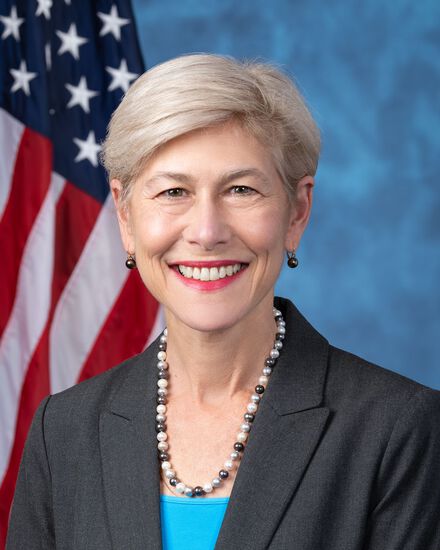
Rep. Deborah K. Ross
Sponsored bills
Maddy summaryThis bill prohibits life, disability, and long-term care insurers from denying coverage, canceling policies, or increasing premiums based solely on a person's status as a living organ donor. It directly protects living organ donors by preventing insurance discrimination unrelated to actual health risks. The bill also requires the Health and Human Services Secretary to update public educational materials about organ donation benefits, risks, and insurance impacts within six months of enactment. These materials will include information on the new insurance protections established by the bill. The law relies on state insurance regulators for enforcement of the insurance provisions.
Maddy summaryThis bill amends a provision of U.S. law (5 U.S. Code § 413) to remove a specific exception that previously limited Inspector General (IG) investigations of Department of Justice (DOJ) personnel. It eliminates language requiring DOJ to restrict IG probes into allegations described under a certain subsection (previously referenced as "(b)(3)"). The change directly affects DOJ staff and IGs conducting investigations, streamlining the process by removing this procedural barrier. The bill makes a technical adjustment to existing law without creating new programs or altering substantive policy.
Maddy summaryThe Franchisee Freedom Act (HR 4614) gives franchisees - business owners operating under franchise agreements - new legal tools to address violations by franchisors. It allows franchisees harmed by breaches of federal franchise rules (like the FTC's Franchise Rule) or this bill's provisions to sue for actual damages, cancel contracts, and recover legal fees. The bill specifically prohibits franchisors from restricting franchisees' rights to join other franchisees or trade associations, or retaliating against them for doing so. This directly affects franchisee-franchisor relationships by strengthening franchisees' ability to seek remedies and organize.
Maddy summaryThis bill amends the Family and Medical Leave Act (FMLA) and federal employee leave rules to clarify that recovery from organ donation surgery qualifies as a "serious health condition." It directly affects private-sector workers covered by the FMLA and federal civil service employees. The key change adds "including recovery from surgery related to organ donation" to the definitions of serious health conditions in both the FMLA and federal leave statutes. This ensures eligible employees can use their existing family and medical leave benefits to recover after donating an organ, without requiring new leave entitlements.
Maddy summaryHR 1522, the Federal Retirement Fairness Act, changes federal retirement rules to include temporary employees' service after January 1, 1988, in retirement benefit calculations. It directly affects temporary federal employees (including U.S. Postal Service workers) and Members of Congress who served after that date. The bill removes a previous cutoff date in retirement law, allowing their temporary service to count toward retirement eligibility. This means eligible temporary workers can now have their full service period considered when calculating retirement benefits.
Maddy summaryHR 4482, the Stop NOAA Closures Act, imposes a temporary moratorium on closing, suspending, or limiting access to National Oceanic and Atmospheric Administration (NOAA) facilities, effective until a report is submitted to Congress by January 21, 2029. The bill requires NOAA and the General Services Administration to submit detailed reports to specific congressional committees before any future facility closure, suspension, lease termination, or consolidation - outlining cost-benefit analyses, service impacts, and justification. Exceptions apply only for emergencies posing immediate threats to personnel safety. This bill directly affects NOAA's facility management decisions and mandates congressional oversight for future closures.
Maddy summaryHR 4542, the "No Cages in the Everglades Act," bans federal funding for any immigration detention facility within or adjacent to Florida's Everglades ecosystem - including construction, operation, or maintenance. It directly affects U.S. Immigration and Customs Enforcement (ICE) and any state/local governments operating such facilities. Key provisions include requiring DHS to submit a detailed report within 90 days on facility costs, construction history, compliance with detention standards, and ecological risks, while also granting Congress unannounced access to inspect all DHS detention facilities. The bill aims to prevent new immigration detention operations in the protected Everglades area and enhance oversight of existing facilities.
Maddy summaryHR 4516, the Saving Lives and Taxpayer Dollars Act, prohibits the U.S. government or its aid partners from destroying food, medicine, vaccines, or other foreign assistance commodities before they expire, requiring these items to be redirected to intended beneficiaries instead. The bill mandates that agencies like USAID, State, and Agriculture must make every effort to donate or sell expired aid items to those in need before disposal. It also requires annual reports to Congress detailing any expired, spoiled, or destroyed aid items, including reasons for not redirecting them and associated costs. This directly affects U.S. foreign aid agencies and their global partners, ensuring aid reaches people facing hunger, disease, or health crises rather than being wasted.
Maddy summaryThis bill prohibits federal and state governments from restricting access to FDA-approved medicines. It guarantees individuals the right to obtain these medicines without coercion and allows healthcare providers (like doctors and pharmacists) to prescribe or refer for them. The law blocks governments from implementing rules that single out or hinder the sale, provision, or use of FDA-approved drugs, such as bans on specific medicines or barriers to patient access. It does not affect the FDA's drug approval process or existing health insurance coverage requirements.