

Maddy summaryThis bill clarifies Medicare rules to allow doctors to provide certain critical medications directly in their offices without extra administrative hurdles. It specifically amends a Medicare provision (Section 1877(b)(2) of the Social Security Act) to remove a requirement that drugs furnished in-office must follow specific administrative rules, effective May 11, 2023. The bill also directs the removal of conflicting Medicare guidance published in 2021 and 2023, which had previously restricted this practice. This change directly affects Medicare beneficiaries (seniors) and doctors' offices that supply covered medications during patient visits. It streamlines access to necessary drugs by eliminating an unnecessary barrier to in-office medication administration under Medicare.
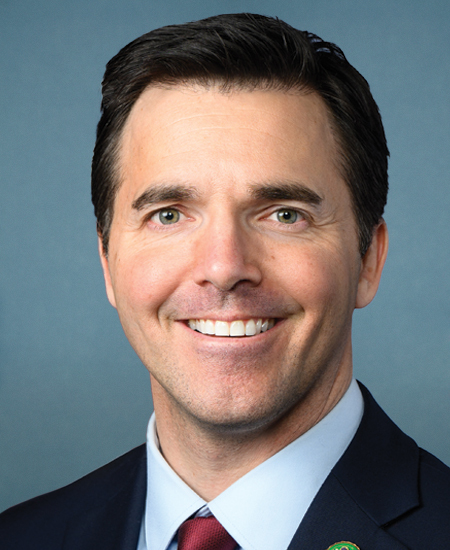
Rep. Jeff Jackson
Sponsored bills
Maddy summaryHR 3433, the "Give Kids a Chance Act of 2024," requires pharmaceutical companies developing certain cancer drugs to conduct pediatric studies if the drugs target molecular pathways relevant to childhood cancers. It directly affects drug manufacturers submitting new applications for cancer treatments, particularly those combining previously approved adult cancer drugs or containing a single new active ingredient. The bill amends FDA regulations to mandate these pediatric investigations only when specific conditions are met, such as when a drug's molecular target is relevant to pediatric cancer growth. The FDA must issue implementing guidance within 12 months, and reports to Congress will track implementation and effectiveness starting 2 years after enactment.
Maddy summaryHR 6160 reauthorizes the existing Lifespan Respite Care Program under the Public Health Service Act, extending its funding period from fiscal years 2020-2024 to 2024-2028. This program provides temporary relief for family caregivers of individuals with chronic illnesses or disabilities, directly benefiting caregivers and the people they support. The bill makes no changes to program eligibility or benefits - only extends the current funding authorization. It affects caregivers and care recipients who rely on this support, ensuring continued access to respite services through 2028.
Maddy summaryHRES 1448 is a non-binding House resolution stating that the House believes every person has the right to emergency health care, including abortion care, during medical emergencies. It specifically addresses concerns that abortion restrictions force medical providers to choose between treating patients in life-threatening situations or risking criminal charges. The resolution highlights that such restrictions disproportionately harm Black, Indigenous, people of color, immigrants, low-income individuals, and LGBTQI+ patients. It does not change existing laws but expresses congressional support for ensuring access to emergency care without legal barriers. The resolution was introduced by multiple House members and referred to the Energy and Commerce Committee.
Maddy summaryThe Polluters Pay Climate Fund Act of 2024 would require major fossil fuel companies that emitted more than 1 billion metric tons of carbon dioxide between 2000 and 2022 to pay a tax based on their historical emissions. The tax revenue would fund a new Climate Fund that would provide $15 billion annually for disaster response and resilience programs through FEMA, $6 billion for clean air initiatives, and mandate 40% of funds support environmental justice communities. The fund would finance climate resilience projects including climate-resilient infrastructure, ecosystem restoration, and support for vulnerable communities affected by climate change. Companies could pay the tax over nine years, and the bill explicitly states it does not affect existing legal claims against polluters for climate-related damages.
Maddy summaryThe Remote Access Security Act (HR 8152) amends the Export Control Reform Act of 2018 to explicitly include "remote access" under U.S. export controls. It defines remote access as foreign entities accessing U.S.-controlled items (like technology or data) via internet or cloud services from abroad, or through future regulations. The bill updates existing export control provisions across 12 sections to require oversight of remote access alongside physical exports and in-country transfers. This directly affects companies handling U.S. technology or data that could be accessed remotely by foreign entities. The change integrates remote digital access into current export control frameworks without creating new restrictions.
Maddy summaryThis bill amends federal law to prohibit government employees and contractors from giving, receiving, or demanding gratuities exceeding $1,000 related to official actions involving transactions of $5,000 or more. It directly affects federal contractors, state/local government employees, and tribal agency staff handling federal funds. Key changes include raising the maximum penalty to up to 2 years in prison (from 1 year) and clarifying that the $5,000 transaction threshold applies to all covered business dealings. The law targets bribery-like conduct in government contracting and services funded by federal dollars.
Maddy summaryHR 9253, the National Gun Violence Research Act, repeals longstanding restrictions that blocked federal funding for gun violence research, including the 1996 Dickey Amendment. It establishes a National Gun Violence Research Program to support scientific studies on gun-related injury and death, with $200 million authorized over six years (2025-2030). The program directs agencies like the CDC, NIH, and National Institute of Justice to fund research, train researchers, develop safety standards, and share gun trace data with researchers through new protocols. This bill directly affects federal research institutions and public health agencies by enabling evidence-based study of gun violence causes and prevention strategies.
Maddy summaryThis bill establishes a federal grant program to help state, local, and tribal prosecutors' offices hire and retain legal staff. It provides competitive grants covering up to 75% of costs for hiring, training, or retaining prosecutors and support staff, with preference given to rural, tribal, and areas affected by budget cuts. The program requires annual reporting on outcomes and includes $10 million in annual funding for fiscal years 2025-2029.
Maddy summaryThis bill reauthorizes the Debbie Smith DNA Backlog Grant Program, which provides federal funding to state and local law enforcement agencies to reduce backlogs in processing DNA evidence from crime scenes. It extends the program's funding period from fiscal years 2024 through 2029 (previously ending in 2024). The bill also updates audit requirements to ensure grant funds are used properly through 2029. This directly affects law enforcement agencies that receive these grants to accelerate DNA analysis for criminal investigations.