

Maddy summaryHR 926 would require the Supreme Court to establish a code of conduct for justices within 180 days of enactment, along with procedures for handling ethics complaints against them. The bill mandates minimum disclosure standards for gifts, income, and reimbursements received by justices and their law clerks, and requires justices to recuse themselves when they or their family received gifts from parties in a case. It would also require parties and amici curiae to disclose gifts given to justices and lobbying contacts related to justices' nominations, and establish a judicial investigation panel to review complaints against justices. The legislation aims to increase transparency in Supreme Court ethics processes and provide clearer recusal standards for justices.
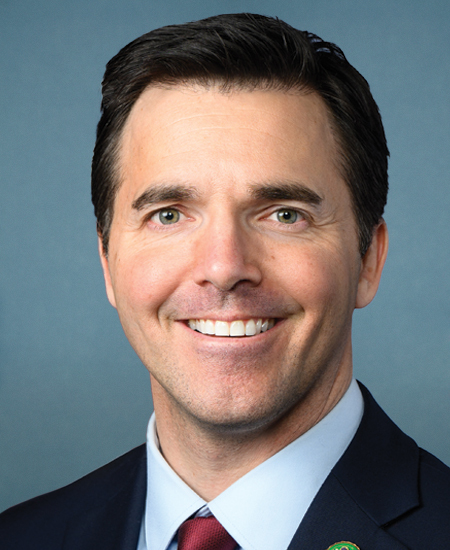
Rep. Jeff Jackson
Sponsored bills
Maddy summaryThis bill makes significant changes to US corporate tax rules to prevent tax avoidance through foreign operations. It requires corporations to calculate foreign income tax liabilities country-by-country, limits interest deductions for large international financial reporting groups, and modifies rules for "inverted corporations" (where US companies move tax residence abroad). The bill also creates new rules treating foreign corporations managed primarily in the US as domestic corporations for tax purposes. These changes aim to close tax loopholes related to outsourcing and foreign tax planning.
Maddy summaryHR 795 amends the 1968 Crime Control Act to require federal funding for training first responders on using containment devices that prevent secondary exposure to fentanyl and other dangerous substances. It directs the Department of Justice to provide both training resources and purchase these devices for emergency personnel. The law specifically targets risks faced when handling drugs like fentanyl during arrests or medical emergencies. First responders, including police and EMTs, would directly benefit from this provision. The bill mandates these measures through existing federal programs without creating new standalone requirements.
Maddy summaryThis House Resolution (HRES 88) is a symbolic recognition of the Greensboro Four sit-in, which occurred on February 1, 1960, at a Woolworth's lunch counter in Greensboro, North Carolina. It commemorates the 63rd anniversary of this event during Black History Month, honoring the students' role in sparking nationwide civil rights protests. The resolution encourages schools to include the Greensboro Four's history and contributions in their educational curricula. As a commemorative resolution, it does not create new laws or affect specific policies or individuals.
Maddy summaryHR 715, the Bipartisan Background Checks Act of 2023, requires background checks for all firearm transfers between private individuals, not just those through licensed dealers. It mandates that unlicensed sellers must involve a licensed dealer to conduct a background check before transferring a firearm, with exceptions for family transfers (like spouses or parents/children), law enforcement, temporary safety transfers, and certain hunting or range activities. The bill also requires licensed dealers to provide a notice and certification form in both English and Spanish to buyers. It explicitly states it won't create a national gun registry or override state laws on the same topic. The law would take effect 180 days after enactment.
Maddy summaryThis bill helps new car dealers affected by pandemic-era supply chain disruptions by changing tax rules for inventory sales. It allows dealers using LIFO accounting to treat certain sales of unsold vehicles (liquidations) between March 2020 and December 2021 as "qualified" for tax purposes. Dealers can defer recognizing income from these sales and have until 2026 to replace the sold vehicles before potential tax adjustments apply. The provision specifically targets dealers who couldn't replenish inventory during the supply chain crisis.
Maddy summaryHR 660, "Ethan's Law," requires gun owners in homes where minors (under 18) or individuals prohibited from owning firearms under federal/state law reside to store firearms securely. It makes unsecured storage unlawful if a minor or prohibited person could access the firearm, with fines of $500 per violation and enhanced penalties (up to 5 years in prison) if injury or death occurs. The bill also establishes a federal grant program to help states implement similar secure storage laws and provides funding incentives for states that already have such laws in place.
Maddy summaryThe HEAL Act (HR 603) requires the U.S. Holocaust Memorial Museum Director to study how public elementary and secondary schools teach about the Holocaust and related antisemitism. The study will examine curriculum requirements, teaching methods (like project-based learning), instructional materials, and assessment approaches across states and school districts. It specifically analyzes whether Holocaust education is mandatory, optional, or integrated across subjects, and how schools address antisemitism and genocide prevention. The resulting report, due within 180 days of the study or three years after enactment, will inform Congress but does not change current school policies. This is a data-gathering measure, not a policy mandate.
Maddy summaryThis bill requires manufacturers of internet-connected toys (targeted at children) to clearly label packaging and include simple explanations in privacy terms about how personal data is collected, stored, and shared. Specifically, labels must state if the toy connects to the internet and collects children's information (like voice recordings or location), and privacy terms must detail what data is gathered, how it's used, and whether parents can disable data collection. It directly affects toy companies selling such products in the U.S. and is enforced by the FTC under existing laws for deceptive practices. The goal is to give parents clear, upfront information about data handling without restricting toy functionality.
Maddy summaryHR 528, the Put Trafficking Victims First Act of 2023, directs existing federal funds to improve how law enforcement and service providers handle human trafficking cases. It requires training to ensure officers identify victims before arrest, promotes trauma-informed victim services, and encourages states to adopt victim-centered policies like avoiding criminalization of child victims and providing comprehensive support (housing, mental health, legal aid). The bill also mandates a working group to develop better data collection methods on trafficking prevalence and requires reports on restitution efforts for victims. These provisions directly affect trafficking victims (including U.S. citizens and foreign nationals), law enforcement, prosecutors, and state service providers, all using existing resources without new funding.