

Maddy summaryHR 9152, the "SCHOOL Professionals Act of 2024," clarifies that contractors primarily providing operations or logistics services to educational organizations must be treated like direct employees for health coverage purposes under federal tax law. This means educational institutions using such contractors must determine if these workers qualify as "full-time" for health insurance requirements, similar to their own employees. The bill directly affects schools and colleges that rely on external contractors for facility or support services, requiring them to apply the same full-time employee rules to these contractors when assessing health coverage obligations. The rule change applies to months beginning after the bill's enactment date.
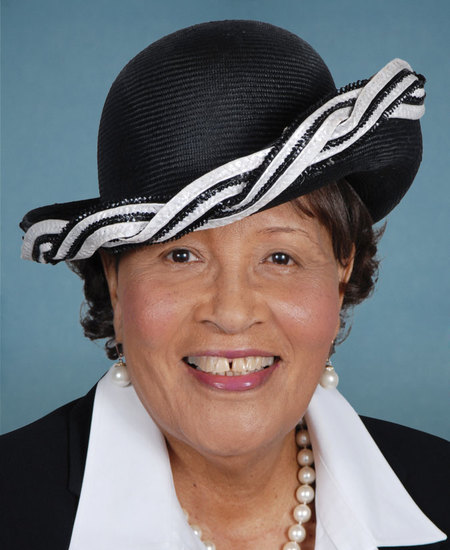
Rep. Alma S. Adams
Sponsored bills
Maddy summaryThis bill creates a new Medicare payment model for emergency medical services (EMS) that allows coverage when ambulance providers deliver critical care on-site without transporting patients to a hospital. It directly affects Medicare beneficiaries receiving such on-site emergency care and ambulance providers who would previously not be reimbursed for non-transport services. The key provision requires Medicare to pay for these services at rates matching what would have been paid for transport, based on state protocols and emergency call responses, for a 5-year trial period. A report due 4 years after implementation will evaluate impacts on patient outcomes, system efficiency, and regional access.
Maddy summaryThis bill requires Medicare Advantage plans to implement electronic prior authorization systems by 2027 and publish detailed data on their approval and denial rates for medical services by 2026. It directly affects Medicare Advantage plans (private insurers offering Medicare coverage) and their enrollees (seniors 65+), mandating transparency about prior authorization decisions, processing times, and appeal outcomes. Key provisions include requiring plans to report annual statistics on request approvals/denials, average processing times, and use of technology, with this data published publicly by the Centers for Medicare & Medicaid Services. The bill also sets timelines for plan responses to prior authorization requests and mandates reports to Congress on implementation and impacts.
Maddy summaryHR 8075, the Improving Access to Home Dialysis Act of 2024, creates a new "staff-assisted home dialysis" program to help patients who need in-person support at home for kidney dialysis treatments. It requires Medicare to add a payment increase for providers who offer this service, where trained staff (like nurses or technicians) assist patients during their initial home dialysis setup, recovery from hospitalization, or temporary needs due to illness or caregiver unavailability. The bill also mandates patient education on this option and establishes training methods, including telehealth and group sessions, to help patients and caregivers learn home dialysis skills. It further requires studies on racial disparities in home dialysis access and the development of a patient decision tool to help choose dialysis settings. The law directly affects Medicare dialysis patients needing assistance, their care providers, and Medicare's payment structure for home dialysis services.
Maddy summaryHR 8018, the ABC Act, requires Medicare, Medicaid, CHIP, and Social Security Administration to review their eligibility processes, forms, and communications to simplify interactions for family caregivers. It targets reducing duplicate paperwork, improving website accessibility (including ADA compliance), and enhancing staff communication - such as shorter call waits and multilingual support - to better serve caregivers supporting individuals enrolled in these programs. The review must include input from caregivers and organizations, with results reported to Congress within one year. This procedural bill does not change program benefits but mandates systemic improvements to reduce administrative burdens.
Maddy summaryThe SOAR Act of 2024 removes supplemental oxygen and related equipment, supplies, and services from Medicare's competitive bidding program, ensuring direct Medicare payment for these items starting in 2025. It establishes new payment rates for oxygen services, including specific rates for rural areas and liquid oxygen with annual inflation adjustments, and requires oxygen suppliers to provide specific services like initial evaluations, safety education, and 24-hour coverage. The bill also adds respiratory therapist services to Medicare coverage with a new payment add-on, requires electronic templates for documenting medical necessity for oxygen services, and establishes new beneficiary rights including the right to choose suppliers and receive timely equipment repairs. This legislation directly affects Medicare beneficiaries requiring oxygen therapy, oxygen suppliers, and respiratory therapists by changing how these services are paid for and delivered.
Maddy summaryThe Nutrition CARE Act of 2024 expands Medicare Part B coverage to include medical nutrition therapy services for beneficiaries diagnosed with eating disorders. It directly affects Medicare beneficiaries with eating disorders - particularly an estimated 420,500-560,700 Black, Indigenous, and People of Color seniors - by requiring coverage for 13 hours of initial care (including assessment) and 4 hours annually for ongoing management. The bill amends Medicare law to specify that these services must be provided by registered dietitians or nutrition professionals following referrals from physicians or psychologists. Coverage applies to all eating disorders as defined by the DSM-5, addressing a gap where Medicare previously excluded this critical treatment component. This policy change aims to improve access to evidence-based care for a condition linked to high mortality and significant healthcare costs.
Maddy summaryThe Black Lung Benefits Improvement Act of 2023 makes key changes to improve benefits for coal miners with black lung disease (pneumoconiosis) and their families. It clarifies eligibility using medical evidence like chest scans and biopsies, creates a program to pay attorneys' fees and medical expenses for qualifying claims, and restores cost-of-living adjustments to benefits that had been frozen for years. The bill also requires a strategy to reduce delays in processing claims and improves how employment and earnings information is shared to support claims. These changes aim to make it easier for miners and their families to access the benefits they're entitled to under the Black Lung Benefits Act.
Maddy summaryThis bill adds audiology services to Medicare's covered benefits under Section 1861(s)(2)(KK), effective January 1, 2025. It allows qualified audiologists to provide hearing and balance assessments and diagnostic/treatment services without requiring a physician referral or supervision, directly affecting Medicare beneficiaries seeking these services and audiologists practicing under state law. Payment will be 80% of the lower of actual charge or the Medicare fee schedule. The bill does not expand the types of audiology services covered but changes how they are accessed and paid for under Medicare.
Maddy summaryThe ARCC Act provides $100 million in federal funding to help apprentices and pre-apprentices in job training programs cover childcare costs. It authorizes competitive grants to 10 states, which must distribute monthly stipends of at least $500 per dependent child directly to eligible childcare providers on behalf of participants in these programs. The bill prioritizes individuals from historically underrepresented groups (based on race, ethnicity, or gender) and ensures stipends are tax-free while not affecting eligibility for other federal benefits. States must report on participation, program completion rates, and demographic data, with the Secretary later summarizing program impacts for Congress.