Gabriella Miller Kids First Research Act 2.0 This bill reauthorizes through FY2027 a pediatric disease research initiative within the National Institutes of Health (NIH) and requires the NIH to coordinate pediatric research activities to avoid duplicative efforts. Additionally, the Department of Health and Human Services must report, within five years, to Congress about research funded through the initiative.
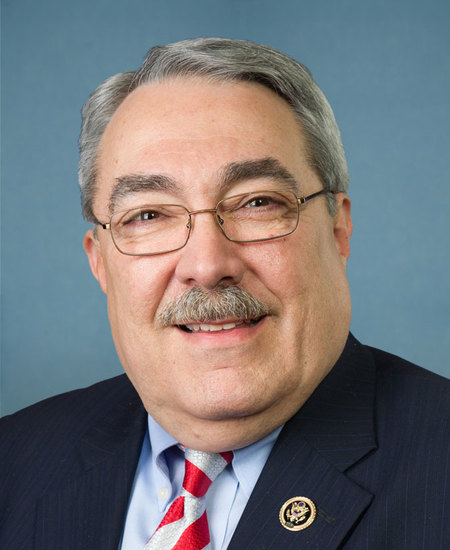
Rep. G. K. Butterfield
Sponsored bills
Original Slavery Remembrance Day Resolution of 2021 This resolution supports the designation of a Slavery Remembrance Day and condemns slavery and its progenies.
Shirley Chisholm Congressional Gold Medal Act This bill provides for the posthumous presentation of a Congressional Gold Medal in commemoration of Shirley Chisholm, in recognition of her activism, independence, and groundbreaking achievements in politics, election as the first African American woman in Congress, and campaign to be the first African American to gain the nomination of a major political party for President of the United States. Following its award, the gold medal shall be given to the Smithsonian Institution where it shall be available for display and research.
Behavioral Health Coverage Transparency Act of 2022 This bill increases oversight of the insurance coverage parity requirements for mental health and substance use disorder, including providing a process for auditing insurance providers and filing formal complaints for violations of the requirements.
Southern Campaign of the Revolution National Heritage Corridor Act of 2021 This bill establishes the Southern Campaign of the Revolution National Heritage Corridor in North Carolina and South Carolina. The University of South Carolina, as the local coordinating entity for the corridor, shall submit a management plan for the corridor.
Maddy summaryHRES 1226 designates the week of July 19-25, 2022, as "Black Maternal Mental Health Awareness Week" to highlight mental health challenges during pregnancy or after childbirth that disproportionately affect Black women and families. The resolution emphasizes that Black women are 3 times more likely to die from maternal causes than White women and that 1 in 4 women of color face these conditions compared to 1 in 7 White women. It calls for raising public awareness, promoting culturally appropriate care, and encouraging government and community efforts during this designated week. As a non-binding resolution, it does not create new programs but supports existing goals to address racial disparities in maternal health outcomes.
Tax Filing Simplification Act of 2022 This bill directs the Internal Revenue Service (IRS) to establish a free on-line tax preparation and filing service and allows taxpayers to access third-party provided tax return information and information held by the IRS. The bill prohibits the IRS from entering into any agreement that restricts its legal right to provide tax return preparation services or to provide tax return filing services. The bill requires the IRS to establish and operate programs to (1) facilitate claims for the child care and the earned income tax credits, (2) provide software for the preparation and filing of individual income tax returns for taxable years beginning after 2022, (3) allow taxpayers to download third-party provided return information and IRS-held information to their tax returns, and (4) allow taxpayers to elect to have their tax returns prepared by the IRS. The bill also requires verification of taxpayer identity and requires the IRS to conduct an outreach campaign to provide the public with information about this bill's programs and software.
Assuring Medicare’s Promise Act This bill increases net investment income tax revenues by applying such tax to the trade or business income of certain high income taxpayers and includes the increased tax revenues in the Federal Hospital Insurance Trust Fund.
This resolution expresses support for the designation of Journeyman Lineworkers Recognition Day. (A journeyman lineworker is a person who builds and maintains electrical power systems.)
Health Equity and Accountability Act of 2022 This bill directs the Department of Health and Human Services (HHS) and others to undertake efforts to reduce health disparities. For example, the bill (1) requires more detailed reporting of demographic and health disparities data, including related to public health emergencies; (2) directs certain components of HHS to support health workforce diversity; and (3) increases access to culturally and linguistically appropriate health care. The bill also modifies eligibility and other requirements for Medicare, Medicaid, private health insurance, nutrition assistance, and other programs to reduce health disparities among vulnerable populations. The bill includes specific provisions with respect to noncitizens; maternal, infant, and child health; mental and behavioral health; specified conditions that disproportionately affect racial and ethnic minority groups, such as certain cancers, HIV/AIDS, kidney disease, and diabetes; investments in communities facing health and other inequities; and nondiscrimination in the provision of services in federally supported health programs. Additionally, the bill (1) revises health information technology programs to address health disparities, and (2) supports health impact assessments and other efforts pertaining to environmental justice and social determinants of health (i.e., nonmedical factors that influence health outcomes, such as income and educational attainment). The bill also requires various studies and reports on issues related to health care and health disparities, including a report by the Government Accountability Office on health workforce diversity.