

Maddy summaryThis bill extends the funding period for the Distance Learning and Telemedicine Program from 2023 to 2028. It directly affects rural communities by ensuring continued access to telehealth services and educational programs through this existing federal initiative. The key provision is a simple amendment to the program's authorization date in existing law, without creating new requirements or altering the program's scope. The change ensures uninterrupted support for rural healthcare and education providers relying on this funding.
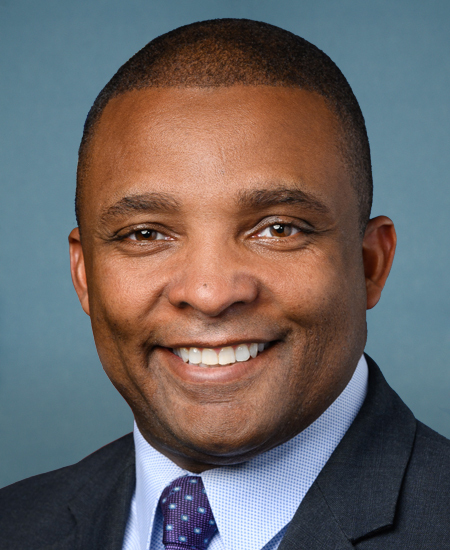
Rep. Donald G. Davis
Sponsored bills
Rural Microentrepreneur Assistance Act of 2023 This bill reauthorizes through FY2028 and revises the Rural Microentrepreneur Assistance Program (RMAP). This Department of Agriculture program provides loans to eligible microenterprise development organizations to capitalize revolving loan funds that provide loans to qualified rural microenterprises. The bill increases the amount a rural microenterprise may borrow to up to $75,000 (from up to $50,000). The bill also increases the maximum allowable federal cost share to 100% (from 75%). The bill further specifies that a RMAP project loan may not be used to cover more than 50% of any demolition, construction, or related costs of real estate improvements.
Maddy summaryHR 5246, the National Agricultural Crisis Hotline Act of 2023, creates a federally funded 24/7 crisis hotline specifically for farmers, ranchers, farm workers, and their families facing mental health or substance use challenges. The hotline must provide real-time voice and texting support, staffed by licensed professionals trained in agricultural mental health stress, with 24-hour follow-up calls and translation services. It requires collecting detailed call data and partnering with existing farm helplines, the 988 Suicide Lifeline, and USDA programs to connect callers to resources. The bill appropriates $19 million annually (starting 2024) for the hotline's operation, including $4 million yearly for the hotline itself, and mandates an annual effectiveness report to Congress. This directly addresses the documented crisis of elevated suicide rates among agricultural workers by expanding accessible, specialized mental health support.
This bill amends the Emergency Watershed Protection (EWP) Program to allow the Department of Agriculture (USDA) to provide for certain restoration activities. The EWP Program offers technical and financial assistance, including the purchase of floodplain easements, to safeguard people and property from floods, drought, fires, windstorms, and other natural disasters that impair a watershed. Under the bill, USDA may allow restoration above pre-disaster conditions if that restoration is in the best interest of the long-term health and protection of the watershed.
Maddy summaryHR 5250, the Flooding Prevention, Assessment, and Restoration Act of 2023, requires the U.S. Department of Agriculture to conduct a national study on flood risks to agricultural lands within two years, analyzing economic losses, downstream effects, and existing flood data. It amends the Emergency Watershed Program to allow federal restoration projects that exceed immediate needs for long-term watershed health and adjusts funding for watershed rehabilitation projects, providing up to 65% federal cost coverage (up to 90% for "limited resource areas") for structural repairs near or past their lifespan. The bill directly affects farmers, agricultural producers, and local watershed management groups by mandating a comprehensive flood risk assessment and modifying federal support for flood prevention infrastructure. Key provisions include requiring detailed reports on flood impacts to crops/livestock and establishing new funding tiers for rehabilitation projects.
Maddy summaryHRES 709 is a symbolic resolution designating September 2023 as "National Cholesterol Education Month" and September 30, 2023, as "LDL-C Awareness Day." It encourages all U.S. residents - particularly underserved communities disproportionately affected by cardiovascular disease (including people of color and rural populations) - to know their LDL cholesterol levels. The resolution highlights that high LDL-C is a key preventable risk factor for heart attacks and strokes, citing low testing rates (e.g., only 27% of heart attack patients get tested post-hospitalization). It does not create new laws or funding but aims to raise awareness about the importance of LDL-C screening and management.
Maddy summaryHRES 700 is a non-binding congressional resolution expressing support for designating September 2023 as "National Prostate Cancer Awareness Month." It highlights that prostate cancer affects 1 in 8 U.S. men and has significantly higher mortality rates among African-American men, while urging increased public awareness, early screening promotion, and research funding. The resolution does not create new laws or allocate funds but encourages the public, healthcare providers, and organizations to promote awareness and support efforts to improve detection and treatment. It aligns with existing federal cancer research investments, such as the $7.1 billion allocated to the National Cancer Institute in 2023.
Maddy summaryHRES 692 designates September 2023 as "Sickle Cell Disease Awareness Month" to promote education about sickle cell disease (SCD) across the U.S. It directly affects communities impacted by SCD - estimated at 100,000 people in the U.S., with higher prevalence among African and Hispanic Americans - and encourages broader public awareness. The resolution calls for educational events focused on early detection, effective treatments, preventative care, and complications related to SCD. It also urges federal agencies to address barriers to equitable access to SCD therapies and supports efforts by organizations like the Sickle Cell Disease Association of America. This is a symbolic resolution without new legal requirements, aiming to raise public knowledge and support for SCD-related initiatives.
Maddy summaryHR 5652, the Stop Overdose in Schools Act, establishes a federal pilot program to help schools respond to opioid overdoses. It provides grants to school districts to train staff (like resource officers and nurses) in administering opioid reversal medications, purchase necessary kits, and raise awareness about opioid use disorder. The bill prioritizes rural schools (50% of grants) and districts in areas with high youth overdose rates (the other 50%). It also sets aside $5 million annually for fiscal years 2024 and 2025 to fund this program, requiring grant recipients to train designated school personnel in opioid reversal agent use.
Maddy summaryThis bill amends the Public Health Service Act to improve how the Organ Procurement and Transplantation Network (OPTN) is operated. It changes the contracting process by allowing the Secretary to award grants, contracts, or cooperative agreements to public or private entities for the OPTN, with specific provisions to ensure distinct operations for the network and its governing board. The bill also includes technical corrections to existing law and requires a GAO review of the OPTN's historical financing within two years of enactment. This legislation directly affects the organizations and processes managing organ donation and transplantation in the United States.