

Maddy summaryHR 6315, the VA Billing Accountability Act, requires the Department of Veterans Affairs (VA) to notify veterans of required copayments within 180 days for VA-provided care or 18 months for non-VA care. If the VA fails to meet these deadlines due to its own error, veterans may qualify for a waiver of the payment or a payment plan. The bill directly affects veterans who received care but were delayed in being notified about payment obligations. It also mandates the VA to review and improve its billing procedures within 180 days of enactment.
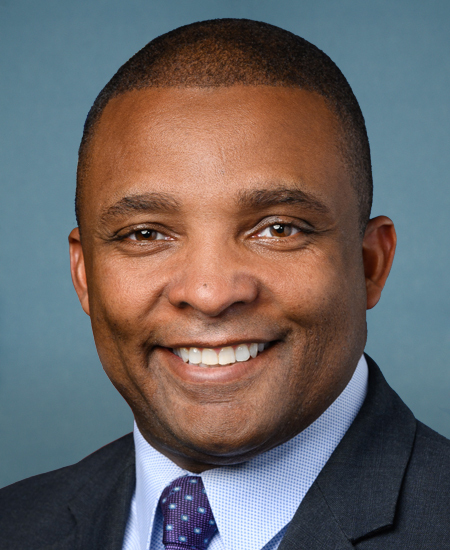
Rep. Donald G. Davis
Sponsored bills
Maddy summaryThis bill expands eligibility for VA-furnished headstones, markers, or medallions to include two groups: (1) enslaved individuals who accompanied military personnel during service, and (2) people who performed military functions despite being barred from service due to discrimination based on race, gender, sex, or ethnicity. The VA must create regulations within one year, defining "military function" and accepting evidence like pay records, diaries, or family bibles to verify eligibility. Requests must be made by direct descendants or approved representatives acting on their behalf. The bill requires the VA to submit an implementation report to Congress within 15 months of enactment.
Maddy summaryHR 6451, the Mental Health Justice Act of 2023, provides $250 million in federal grants to states, tribes, and localities to hire mental health professionals as first responders for specific emergencies. It directs these professionals to replace police in situations involving mental health crises, substance use, or intellectual/developmental disabilities - such as when a 911 caller describes a mental health emergency or a first responder identifies someone needing mental health support. The bill requires grantees to train responders in de-escalation techniques, link individuals to community-based services (not incarceration), and report on outcomes like reduced arrests or use of force. It also mandates data collection on demographics and prevents funneling people into institutional settings, with annual reports to Congress on program effectiveness.
Maddy summaryThis bill establishes a federal grant program to fund state-run telephone check-in services for older adults (60+) and adults with disabilities who are socially isolated and lack support systems, with priority for rural and medically underserved communities. States would use grant funds to provide regular phone calls from volunteers or staff, with voluntary referrals to services like mental health care or nutrition programs - never mandatory interventions. The program requires annual reporting on participation, call frequency, and satisfaction, while excluding personal data, and authorizes $5 million annually for fiscal years 2025-2027, effective October 2024. It directly affects vulnerable seniors and disabled adults facing isolation, particularly in areas with limited community resources.
Maddy summaryHR 6425 directs the U.S. Secretary of Defense, with the Director of National Intelligence, to create the "Five AIs Strategic Artificial Intelligence Working Group" within 90 days. This group will coordinate AI efforts among the Five Eyes countries (U.S., UK, Canada, Australia, New Zealand) focused on defense and intelligence applications. Key tasks include comparing AI systems and practices, developing shared strategies for interoperability, testing AI model redundancy, and managing data for joint AI use. The working group must submit a plan within 60 days and biannual reports to Congress, terminating on September 30, 2028, unless extended for national security reasons.
Maddy summaryHR 6424, the SIGHT Act, establishes a new Chief Innovation Officer for Health within USAID's Global Health Bureau to coordinate and advance research and development of health technologies specifically designed for low-resource settings in low- and middle-income countries. It creates a Global Health Research and Development Advisory Council to advise USAID on priorities, requires a dedicated budget line for these activities (ensuring funding is "additional" and not replacing existing programs), and authorizes grants to support technology development, evaluation, and capacity-building in partner countries. The bill directly affects USAID's global health programming, partner nations, and health technology developers working on diseases like malaria, neglected tropical diseases, and pandemic preparedness. It aims to improve the effectiveness and sustainability of USAID's health programs by structuring innovation efforts around community and country needs in resource-limited contexts.
Maddy summaryThe Veteran Improvement Commercial Driver License Act of 2023 modifies rules for veterans' educational benefits to streamline approval of commercial driver education programs at branch locations. It allows a branch of an educational institution to be exempt from full approval requirements if it is appropriately licensed and uses the same curriculum as an approved main location. Schools must submit an annual report to the Department of Veterans Affairs verifying curriculum consistency, and the VA may withhold this exemption if needed. The changes will take effect 180 days after the VA establishes reporting rules, which must be finalized within 180 days of the bill's enactment.
Maddy summaryThis bill establishes a competitive grant program to improve recycling access in underserved communities - defined as areas lacking full recycling services due to cost, distance, or insufficient processing capacity. It allocates $30 million annually (2023-2027) for grants to eligible entities like states, local governments, tribes, or public-private partnerships to fund projects such as expanding transfer stations, adding curbside collection, or creating hub-and-spoke infrastructure networks. Grants range from $500,000 to $15 million per project, with 70% of funds reserved for single or multiple underserved communities, and require 90% federal cost coverage (with possible waivers for financial hardship). The program prohibits grant use for education and mandates a congressional report on implementation and outcomes within two years.
Maddy summaryHCONRES 75 is a non-binding resolution expressing Congress's support for issuing a new commemorative postage stamp honoring the Buffalo Soldiers. It directly affects the U.S. Postal Service by urging the Citizens’ Stamp Advisory Committee to recommend such a stamp to the Postmaster General. The resolution highlights the historical significance of the Buffalo Soldiers - African American soldiers who served in all-Black regiments from 1866 to 1948 - and references a previous 1994 stamp that was discontinued. It does not create a new law but formally requests the Postal Service consider this commemoration.
This concurrent resolution recognizes the difficult challenges Black veterans faced when returning home after serving in the Armed Forces, their heroic military sacrifices, and their patriotism in fighting for equal rights and for the dignity of a people and a nation. The concurrent resolution also recognizes the need for the Department of Veterans Affairs to continue to work to eliminate any health and benefit disparities for minority veterans.