

Maddy summaryHJRES 150 is a joint resolution seeking congressional disapproval of an Environmental Protection Agency (EPA) rule that established updated national emission standards for hazardous air pollutants from coal and oil-fired power plants. The resolution targets the EPA's specific rule published on May 7, 2024, which required these facilities to review residual risks and technologies to reduce emissions. If enacted, the resolution would nullify the rule, preventing the new standards from taking effect and keeping current regulations in place for power plants. This procedural bill uses the Congressional Review Act (Chapter 8 of Title 5, U.S. Code) to block the EPA rule without altering existing environmental laws.
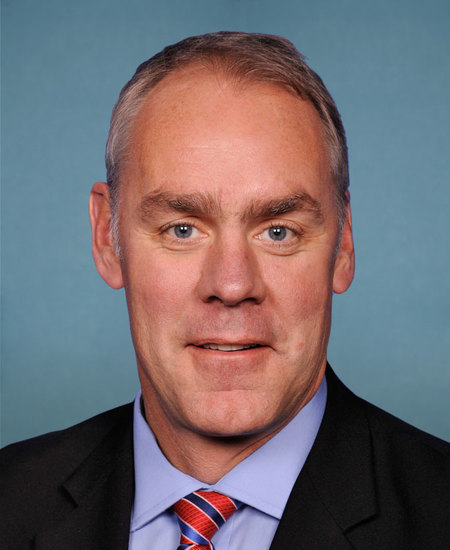
Rep. Ryan K. Zinke
Sponsored bills
Maddy summaryHJRES 154 is a resolution seeking to block a Bureau of Land Management (BLM) rule that would have updated the process for leasing federal lands for oil and gas extraction. The rule, published in the Federal Register on April 23, 2024, specifically addressed "Fluid Mineral Leases and Leasing Process" (89 Fed. Reg. 30916). If passed, this resolution would cancel the rule under the Congressional Review Act, preventing it from taking effect. This action would directly impact the BLM's regulatory authority and oil and gas companies operating on federal lands.
Maddy summaryH.J. Res. 157 seeks to disapprove a rule issued by the National Marine Fisheries Service (NMFS) that would have updated how marine species are listed as endangered or threatened and critical habitats are designated under the Endangered Species Act. The rule, published in the Federal Register on April 5, 2024 (89 Fed. Reg. 24300), aimed to change implementation procedures for marine species protections. If enacted, this resolution would block the rule from taking effect, preserving current listing and habitat designation practices. This is a standard congressional disapproval process under Title 5 of the U.S. Code for challenging federal agency rules.
Maddy summaryHJRES 159 is a joint resolution seeking congressional disapproval of a U.S. Fish and Wildlife Service rule that would have updated regulations for protecting endangered and threatened wildlife and plants. If enacted, it would block the rule from taking effect, meaning current regulations would remain in place without the proposed changes. The rule in question was published in the Federal Register on April 5, 2024 (89 Fed. Reg. 23919).
Maddy summaryHJRES 158 is a joint resolution seeking congressional disapproval of a U.S. Fish and Wildlife Service rule published on April 5, 2024, that would have updated how endangered and threatened species are listed and critical habitats designated. If passed, this resolution would block the rule from taking effect under the Congressional Review Act, preventing changes to the agency’s regulatory approach for wildlife conservation. The rule directly affected the management of protections for at-risk species and their habitats by altering listing and habitat designation procedures. This disapproval action halts the proposed regulatory changes without altering existing conservation laws.
Maddy summaryThis bill requires the U.S. Department of Defense and State Department to immediately deliver all previously approved military equipment and services to Israel within 15 days, reversing any pauses on arms transfers. It prohibits using federal funds to withhold, halt, or cancel defense article deliveries to Israel and mandates that unobligated security assistance funds for Israel must be spent by the end of 30 days. The bill also requires monthly reports to Congress detailing all security assistance provided to Israel since October 7, 2023, including specific items delivered and funding sources. The law directly affects U.S. agencies responsible for military aid and Israel as the recipient of the security assistance.
Maddy summaryHRES 1175 is a non-binding resolution expressing the House's view that hydropower is essential to U.S. energy security and grid resilience. It states hydropower should be a key part of an "all-of-the-above" energy strategy, noting its role in providing reliable electricity, supporting water management, and reducing reliance on foreign energy sources. The resolution calls on the Secretary of Energy to develop a plan for expanding domestic hydropower to strengthen national security and economic competitiveness. It specifically highlights hydropower's current contribution (6.2% of U.S. electricity generation) and its importance for grid stability during emergencies. The resolution does not create new laws or regulations but aims to influence future energy policy discussions.
Maddy summaryHR 8231, the James Earl Jones Congressional Gold Medal Act, authorizes a Congressional Gold Medal to be awarded to actor James Earl Jones in recognition of his distinguished career in theater and film, and his role in advancing inclusion and equal opportunities for people of all backgrounds in the entertainment industry. The Treasury will strike the medal with an image and inscription of Jones, and may produce and sell bronze duplicates to cover costs, with proceeds deposited into the U.S. Mint's public enterprise fund. This bill serves as a ceremonial honor with no new legal requirements or policy changes.
Maddy summaryHR 3397, the WEST Act of 2024, requires the Bureau of Land Management (BLM) to withdraw its 2023 proposed rule titled "Conservation and Landscape Health" (published at 88 Fed. Reg. 19583). The bill mandates that the BLM Director must immediately withdraw this specific proposed rule and cannot take any action to finalize, implement, or enforce it or any substantially similar rule. This bill directly affects the BLM agency by halting the regulatory process for this conservation-focused rule. It is a procedural measure that prevents the rule from moving forward, without creating new policy or impacting other entities.
Maddy summaryHR 3195, the Superior National Forest Restoration Act, rescinds a 2023 land withdrawal order that restricted mining in Minnesota's Superior National Forest. The bill requires the Secretary of the Interior or Agriculture to complete environmental reviews for existing mining plans within 18 months and reissue canceled mining leases on their original terms without allowing legal challenges. This directly affects mining operations seeking to resume activities on forest lands previously restricted by the withdrawn order. The law aims to restore prior mining rights and expedite permitting processes for existing applications within the designated forest area.