

Maddy summaryThis bill would require Medicare to cover FDA-approved blood tests that screen for multiple cancers simultaneously (like breast, lung, or colorectal cancer) for beneficiaries. It directly affects Medicare recipients aged 65+ who could access these new screenings once per year, without prior authorization. The key provision adds "multi-cancer early detection screening tests" to Medicare's covered services under Part B, defining them as blood tests analyzing cell-free DNA, while maintaining existing coverage for standard screenings like mammograms. The bill does not change current coverage for individual cancer screenings but ensures Medicare keeps pace with new medical technology.
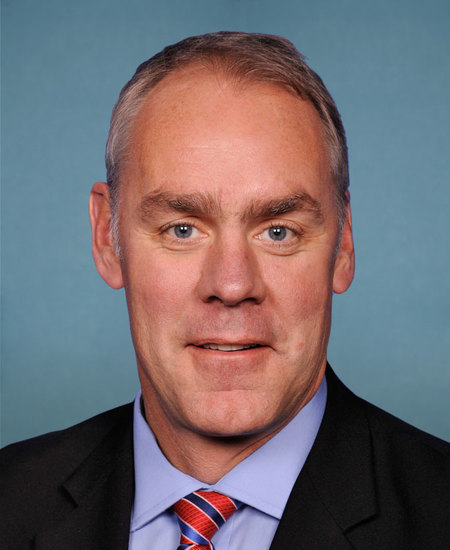
Rep. Ryan K. Zinke
Sponsored bills
Maddy summaryHR 1610 would modernize Medicare coverage for chiropractic care by removing the current restriction that limited beneficiaries to one chiropractic service per visit. It expands coverage to include all services provided by licensed chiropractors within their state-authorized scope, aligning Medicare with VA, military, and private insurance practices. The bill requires chiropractors to complete a Secretary-approved educational webinar to cover non-spinal services, while still allowing payment for spinal manipulation treatments without this requirement. This directly affects Medicare beneficiaries seeking chiropractic care and chiropractors seeking Medicare reimbursement for their services.
Maddy summaryThe Secure the Border Act of 2023 is a comprehensive immigration bill that focuses on strengthening border security, reforming asylum processes, and updating employment verification systems. The bill requires the immediate resumption of border wall construction, mandates specific staffing levels for Border Patrol agents, and establishes new technology investment plans for Customs and Border Protection. It also introduces stricter asylum eligibility rules, expands penalties for visa overstays, and creates a new employment eligibility verification system that requires employers to check worker authorization status. Additionally, the bill includes provisions for family detention standards, child repatriation policies, and increased funding for border security operations while prohibiting certain types of funding for organizations that facilitate illegal immigration.
Maddy summaryThis bill amends the Social Security Act to exclude wages earned and self-employment income derived from unauthorized employment in the United States from being counted toward Social Security credits. It directly affects undocumented immigrants who work without authorization, preventing those earnings from contributing to their future Social Security benefits. The law changes existing Social Security rules by adding specific exclusions for "service performed by an alien while employed... not authorized to be so employed" and similar self-employment activities. These changes apply to all wages and income earned before, during, or after the bill's enactment, with Social Security recompiling existing benefit calculations to reflect the new rules.
Maddy summaryThis bill bans federal funding for abortions in most cases, prohibiting the use of taxpayer money for abortion services or health insurance plans covering abortion. Exceptions allow funding for abortions resulting from rape, incest, or when a pregnancy endangers a woman's life. It requires health insurance plans sold through the Affordable Care Act (ACA) marketplaces to clearly disclose any separate costs for abortion coverage and prohibits ACA subsidies from being used for plans that cover abortion (except in the specified exceptions). The law directly affects federal programs like Medicaid, ACA marketplace plans, and insurers offering health coverage to individuals using federal subsidies.
Maddy summaryThe CONSTRUCTS Act of 2024 establishes a federal grant program to expand training for careers in residential construction, targeting rural communities and underserved populations - including veterans, low-income individuals, and groups underrepresented in the construction industry. Eligible entities like community colleges and career schools can apply for competitive grants to develop or expand training programs in specific trades (such as carpentry, plumbing, and electrical work), with requirements for flexible scheduling, partnerships with construction businesses, and outreach to secondary students. The program mandates grantees to report on outcomes like job placements and housing impacts, and it authorizes $20 million annually for fiscal years 2025-2029 to fund these initiatives. This directly affects training providers and workers in residential construction by creating pathways to credentials and jobs in a growing sector.
Maddy summaryHR 6489, the Alaska Native Village Municipal Lands Restoration Act of 2023, amends the Alaska Native Claims Settlement Act to clarify land conveyance rules affecting Alaska Native Village Corporations. It allows these corporations to revert certain lands previously conveyed to the State of Alaska in trust back to themselves under specific conditions. Key provisions include requiring that the land was conveyed for future municipal corporation establishment but no such corporation was formed by the bill's enactment date, and that the village formally resolves to dissolve the trust. This directly affects Alaska Native Village Corporations holding land under these specific trust arrangements, enabling them to regain title to the reverted land.
Maddy summaryHR 1586, the Forest Protection and Wildland Firefighter Safety Act of 2023, exempts certain fire suppression activities from requiring permits under the Clean Water Act. It directly affects federal agencies like the Forest Service, National Park Service, and Bureau of Land Management, as well as state, local, and tribal governments conducting wildfire response. The bill's key provision removes the need for a Section 402 permit under the Clean Water Act when these covered entities discharge fire retardants, chemicals, or water for fire control or prevention. This change streamlines firefighting operations by eliminating a specific permitting step during active wildfire events.
Maddy summaryThe Mining Schools Act of 2024 establishes a federal grant program to strengthen domestic mining education by funding eligible schools. It defines eligible "mining schools" as accredited mining/engineering programs at higher education institutions or specific geology/engineering departments at 4-year public universities in states with significant mining-related economic activity. The Department of Energy will award up to 10 competitive annual grants for recruiting students and enhancing programs focused on critical minerals, environmental reclamation, sustainable extraction, and domestic mineral production. An advisory board of industry and academic experts will help select grantees and ensure funds are used as intended. The program is authorized to receive $10 million yearly from 2024 through 2031.
Maddy summaryThe Good Samaritan Remediation of Abandoned Hardrock Mines Act of 2024 establishes a limited pilot program allowing non-responsible parties (called "Good Samaritans") to remediate pollution at abandoned hardrock mine sites. The bill creates a permit process requiring applicants to demonstrate they're not liable for the pollution, can safely complete the remediation, and will protect the environment. The Environmental Protection Agency would issue up to 15 permits for these projects, providing liability protection for permitted activities while requiring public notice and environmental review. The pilot program would expire after 7 years, with the EPA required to report on its effectiveness to Congress.