

Maddy summaryHR 4550 creates a federal grant program to help public elementary, secondary, and preschool schools recruit and retain paraprofessionals (school support staff like teaching assistants). The bill directs the Secretary of Education to fund state education agencies, which then distribute subgrants to schools - prioritizing those serving high numbers of low-income students - to support activities like mentoring programs, professional development, and wage increases or certification assistance (e.g., for special education or English learner support). States must report annually on wage baselines, paraprofessional numbers, and program outcomes. This bill directly affects schools and paraprofessionals, with funding authorized for fiscal years 2024-2028.
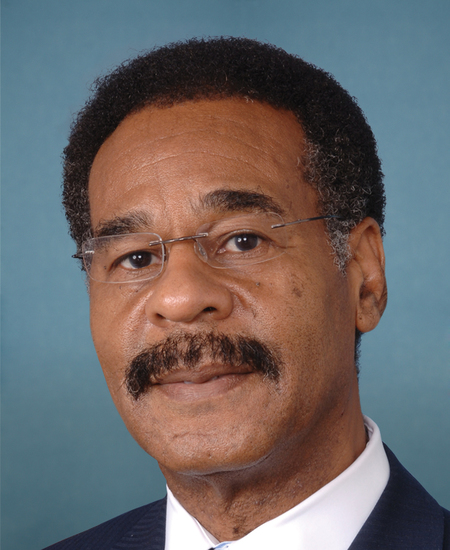
Rep. Emanuel Cleaver
Sponsored bills
Maddy summaryThe DISCLOSE Act of 2023 would increase transparency in political spending by requiring organizations making campaign-related disbursements over $10,000 to disclose the names and addresses of their major donors, including the top five funders for political communications. It would close loopholes allowing foreign nationals to secretly fund election activities through corporations or other entities by expanding the definition of prohibited foreign contributions. The bill would mandate "stand by every ad" disclosure requirements for political communications across all media, including audio, video, and internet ads, requiring clear identification of funders. It would also require reporting of disbursements related to Federal judicial nominations, which currently aren't subject to disclosure requirements. These provisions would apply to corporations, labor organizations, and certain nonprofits that engage in political activity.
Maddy summaryThe IDEA Full Funding Act (HR 4519) mandates specific annual increases in federal funding for special education programs under the Individuals with Disabilities Education Act (IDEA). It requires Congress to appropriate increasing amounts each fiscal year - from $5.87 billion for 2024 up to $55.53 billion for 2033 - to reach 40% of the national average per-pupil expenditure for public schools by 2033. This directly affects all public school districts serving students with disabilities, as federal IDEA funding supports their special education services. The bill sets fixed dollar amounts or percentage targets (whichever is greater) for each fiscal year, aiming to gradually close the long-standing gap between promised and actual federal funding. It does not alter eligibility for services but mandates higher, phased funding levels to meet the 40% target.
This resolution expresses the sense of the House of Representatives that (1) lesbian, gay, bisexual, transgender, queer, intersex, and asexual (LGBTQIA+) rights are human rights and protected by the U.S. Constitution; (2) LGBTQIA+ Pride Month should be celebrated; and (3) all Americans should be treated equally regardless of sexual orientation, sex characteristics, or gender identity.
Maddy summaryHRES 561 is a non-binding House resolution opposing state laws that criminalize access to essential health care. It specifically condemns using criminal penalties against people for pregnancy outcomes (such as miscarriages), seeking abortion or contraception, or receiving gender-affirming care, and disapproves of punishing health care providers or supporters for facilitating such care. The resolution affirms that patients deserve access to reproductive and gender-affirming health services without fear of prosecution or discrimination. It emphasizes that criminalizing these health care decisions violates patient rights and ethical provider obligations, without creating new legal requirements.
Maddy summaryThe Endowment Transparency Act (HR 4405) requires colleges receiving federal student aid (Title IV programs) to publicly report detailed information about their investment practices. Specifically, institutions must disclose, within one year of the law's enactment, data on assets managed by investment advisers - including whether those advisers are minority- or women-owned, broken down by gender and race, and the percentage of bond issuances underwritten by such firms. The bill mandates standardized reporting via the College Navigator website and directs the Minority Business Development Agency to analyze the data, issue biennial reports with recommendations to increase minority/women-owned firm participation, and host conferences to share best practices. This law directly affects over 4,000 Title IV colleges and aims to increase transparency in higher education investment decisions.
Maddy summaryThe Reentry Resource Guide Act of 2023 establishes a 3-year pilot program to create digital, statewide resource guides for individuals returning to communities after incarceration. It authorizes $8 million annually (2024-2027) for grants to states, requiring guides to include comprehensive, regionally sortable contact information for 30+ services like housing, employment, healthcare, addiction treatment, and crisis support. States applying for grants must detail how they will identify resources, manage the guides, and promote them to returning residents. The program mandates annual reporting on fund use and a final evaluation on the guides' impact on reentry success.
Maddy summaryThis bill prohibits defendants in federal criminal cases from using a victim's LGBTQ+ identity (sexual orientation, gender identity, or expression) as a legal excuse for violence or to reduce sentences - a practice known as the "LGBTQ+ panic defense." It specifically bans arguments that a "nonviolent sexual advance or perception" of the victim's identity justified the crime, while allowing evidence of the defendant's past trauma under standard evidence rules. The law directly affects federal criminal trials where defendants attempt to justify violence against LGBTQ+ victims using prejudice-based excuses. It also requires the Attorney General to report annually on federal prosecutions involving bias-motivated crimes against LGBTQ+ individuals.
Maddy summaryHR 4340, the Therapeutic Fraud Prevention Act of 2023, prohibits paid providers from offering conversion therapy - defined as any commercial service attempting to change a person's sexual orientation or gender identity - and bans advertising that claims such therapy is effective or harmless. It directly affects therapists, counselors, or organizations offering paid conversion therapy services, including those advertising such services. Key provisions make it unlawful to provide, advertise, or facilitate paid conversion therapy, with enforcement led by the Federal Trade Commission (FTC) under consumer protection laws and allowing states to pursue civil actions. The bill explicitly excludes supportive care for gender transition or identity exploration from its definition of prohibited therapy.
Maddy summaryHouse Resolution 522 is a symbolic resolution recognizing that active father involvement during pregnancy, birth, and postpartum care improves health outcomes for both mothers and babies. It cites research showing fathers' engagement correlates with better prenatal care access, reduced maternal mental health risks, lower smoking/drinking during pregnancy, healthier birth weights, and improved child development. The resolution calls for addressing systemic barriers - such as workplace policies, cultural stigma, and healthcare access inequities - to support fathers as partners in maternal and infant health. It does not create new laws but formally acknowledges the role of fathers in reducing maternal mortality, infant health risks, and racial disparities in care.