

Maddy summaryHR 909, the Crime Victims Fund Stabilization Act of 2025, modifies how funds from the False Claims Act are deposited into the Crime Victims Fund. It specifies that from 2025 through 2029, certain False Claims Act proceeds (specifically those for qui tam plaintiff payments and government damage reimbursements) cannot be deposited into the fund. This change directly affects the composition of the Crime Victims Fund by excluding these specific revenue streams during the specified period. The bill does not create new benefits or alter victim services; it only adjusts fund allocation rules for existing False Claims Act revenues.
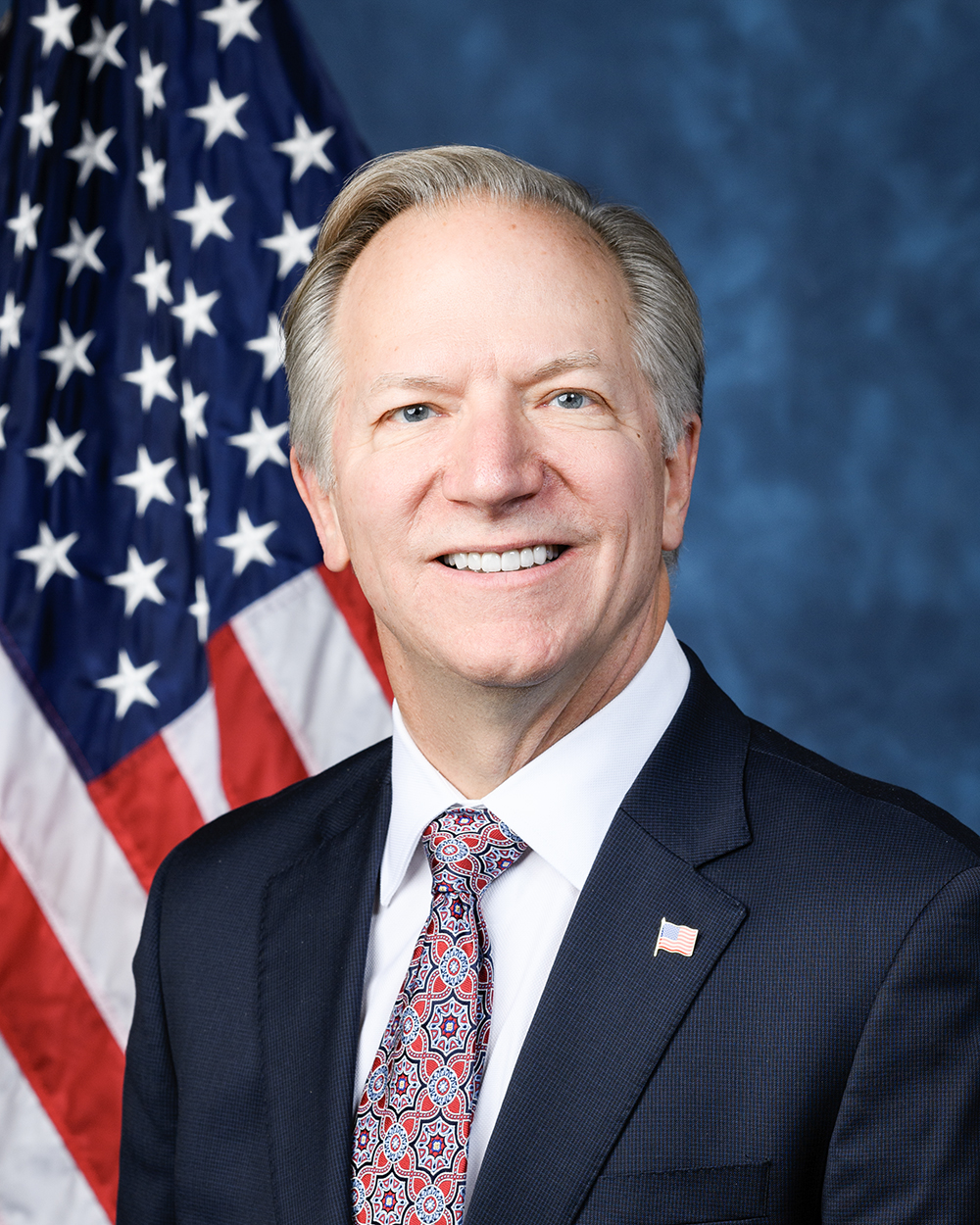
Rep. Robert F. Onder, Jr.
Sponsored bills
Maddy summaryThe Reliable Power Act requires the Electric Reliability Organization (ERO) to conduct annual assessments of the U.S. power grid's ability to maintain reliable electricity supply, including analyzing generation resources, transmission needs, and risks of shortages during extreme weather. If the ERO identifies a risk of insufficient generation, it notifies the Federal Energy Regulatory Commission (FERC), which then alerts federal agencies like the Environmental Protection Agency (EPA) and Department of Energy (DOE) developing regulations affecting power generation. These agencies must submit proposed regulations for FERC review before finalizing them, and FERC can recommend changes to prevent reliability risks, with agencies required to respond to FERC’s comments. The bill directly affects federal agencies creating energy-related rules and aims to prevent power shortages by integrating grid reliability into the rulemaking process.
Maddy summaryHR 3632, the Power Plant Reliability Act of 2025, requires electric utilities to provide at least 5 years' advance notice to federal and state regulators before permanently retiring any generating unit with a capacity of 5 megawatts or more. The bill mandates that the Federal Energy Regulatory Commission (FERC) can order utilities to continue operating specific plants or develop long-term transmission plans if it finds interstate service inadequate, while prohibiting FERC from forcing new plant construction or energy sales that would harm service. Utilities must also cover costs for these changes through adjusted rates, and the bill includes a provision exempting compliance actions from environmental law penalties. This directly affects large power generators, state energy commissions, and transmission operators by creating new notice requirements and FERC oversight for plant retirements.
Maddy summaryHR 6734, the Auto Data Privacy and Autonomy Act, gives car, truck, and farm/construction vehicle owners direct control over data generated by their vehicles. It prohibits manufacturers from accessing or sharing vehicle data (including location and personal information) without the owner’s explicit, written consent, and bans selling such data to specific foreign governments like China, Russia, or North Korea. Owners gain free, real-time access to all vehicle data through standard interfaces (like the car’s port or wireless), with no fees for decryption or third-party access, and can delete data or adjust settings via an open application interface. The law requires manufacturers to provide this access without restricting how owners use the data or forcing them to pay for it.
Maddy summaryThis bill allows groups of small businesses or self-employed individuals to form a single health plan that treats all members as one employer for coverage purposes. It directly affects small business associations and self-employed people who can join such groups to access pooled health coverage, provided they meet specific requirements (e.g., 51+ total employees, 2+ years in existence, no health-based discrimination). Key mechanisms include permitting modified community rating for premiums (based on pooled claims) while prohibiting health status-related discrimination in enrollment, premiums, or pre-existing condition coverage. The plan remains subject to federal ERISA rules, and self-employed members must meet defined criteria to participate as both employers and employees.
Maddy summaryHR 2571, the Self-Insurance Protection Act, clarifies that stop-loss insurance purchased by self-funded employer health plans is not considered "health insurance coverage" under federal law. It directly affects employers (both large and small) who self-fund health benefits for their employees, as these employers use stop-loss insurance to protect their company assets from unexpected, high medical claims costs. The bill amends ERISA to exempt this stop-loss coverage from state health insurance regulations and ensures federal law preempts any state laws that might block employers from using this protection. This change aims to maintain the availability of stop-loss insurance as a key risk management tool for self-funded health plans.
Maddy summaryThis bill amends the Natural Gas Act to give the Federal Energy Regulatory Commission (FERC) exclusive authority to approve U.S. LNG export terminal projects, requiring FERC to deem such exports consistent with the public interest. It directly affects natural gas companies seeking to build or expand export facilities and streamlines FERC's review process by removing prior requirements for interagency coordination. The bill clarifies that FERC's decisions won't override existing sanctions laws, including restrictions on trade with countries designated as state sponsors of terrorism under current law. This change aims to accelerate domestic LNG export projects while maintaining legal safeguards for national security and foreign policy.
Maddy summaryHR 6466, the Forced Abortion Prevention and Accountability Act, prohibits non-consensual administration of abortion drugs (like mifepristone or misoprostol) to pregnant women without their informed consent. It criminalizes this act with penalties up to 25 years in prison and allows victims to sue for triple damages, psychological/physical injury compensation, and attorney fees. The bill directly affects pregnant women who might face coerced procedures and medical providers or others who administer such drugs without consent. Key provisions include criminal penalties for the act itself, enhanced penalties for serious injury or death, and a civil remedy framework for victims seeking compensation.
Maddy summaryHR 5800, the SAFE Drivers Act, requires commercial driver's license (CDL) applicants and renewers to pass a standardized English proficiency test approved by the Federal Motor Carrier Safety Administration (FMCSA). The test assesses reading road signs, understanding emergency communications, and writing required documentation - critical for safety in commercial driving. States must administer the test through their DMVs, report pass rates annually to the FMCSA, and face potential federal funding cuts if they fail to comply. The law applies to all new CDL issuances or renewals starting 12 months after enactment, directly affecting commercial drivers seeking or maintaining their licenses.
Maddy summaryThe ROTOR Act narrows the definition of "sensitive government mission" for aircraft operations, excluding training flights and flights by officials below Cabinet rank. It requires regular reporting to Congress about exceptions to ADS-B Out requirements, establishes deadlines for requiring ADS-B In equipment on most aircraft, and mandates safety reviews for airports with military operations. The bill also improves coordination between the FAA and Department of Defense on airspace management and safety information sharing. These changes increase transparency around aircraft operations that don't broadcast their location while enhancing safety oversight. The bill directly affects Federal agencies operating aircraft, the FAA, and aircraft operators required to equip with ADS-B technology.