

Maddy summaryThe Mobile Mammography Promotion Act of 2023 provides tax relief for mobile mammography service providers by refunding federal excise taxes on fuel used in their vehicles and exempting that fuel from future taxation. It amends the tax code to require the IRS to refund excise taxes paid on fuel used in highway vehicles designed exclusively for delivering mammography screenings within the vehicle. This directly lowers operational costs for mobile mammography providers, who operate vehicles serving patients on-site. The refund and exemption apply to fuel purchased for these specific mobile units, reducing their expenses. The provisions take effect upon the bill's enactment.
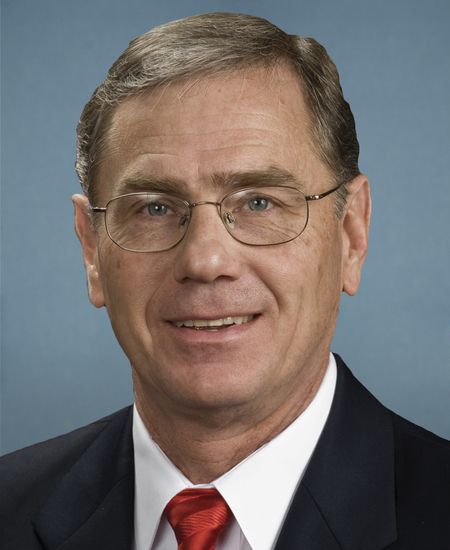
Rep. Blaine Luetkemeyer
Sponsored bills
This bill prohibits the Small Business Administration from directly making a loan under the 7(a) Program, which authorizes loans and loan guaranties to small businesses that meet certain requirements.
Maddy summaryHR 5837, the Protecting America's Property Rights Act, requires Fannie Mae and Freddie Mac to only purchase conventional mortgages for one- to four-family homes if the mortgage is secured by real property with title insurance from a licensed company in the property's state. It also mandates that both entities must get prior approval from the Federal Housing Finance Agency Director and Treasury Secretary before launching new programs, with semi-annual congressional reports on these programs. The bill updates the definition of "conforming mortgage" to include this title insurance requirement. These changes directly affect Fannie Mae and Freddie Mac's mortgage operations and indirectly impact homeowners, lenders, and title insurance companies operating in the states where properties are located.
Maddy summaryThe Main Street Competes Act requires the Department of Justice and Federal Trade Commission to annually report on how their antitrust enforcement actions address harms to small businesses from anticompetitive conduct. These reports must detail complaints from small businesses, investigations, and enforcement actions, broken down by violation type and industry. The Small Business Administration’s Chief Counsel then analyzes the data and submits a congressional report with evaluations and recommendations to promote competition and support small business growth. This bill focuses on increasing transparency and accountability in antitrust enforcement as it relates to small business concerns.
Maddy summaryThis bill extends existing programs that provide payments to counties and states with federal land, primarily to support local schools and communities. It updates key deadlines, extending secure payments through 2026, special project authorities through 2029, and county fund expenditure authority through 2028. A new pilot program allows regional foresters to appoint resource advisory committee members directly, with this authority ending October 1, 2028. These changes directly affect rural counties and states managing federal lands, maintaining current funding mechanisms without altering eligibility or payment amounts.
Maddy summaryHR 5465, the Congressional Access to Bureaucratic Offices Act (CABO Act), requires federal agency heads to allow Members of Congress and their staff access to agency headquarters buildings during regular business hours. It mandates that access be granted upon presentation of valid congressional identification (for Members) or a staff badge while accompanied by the employing Member (for staff), with exceptions for areas requiring secret-level security clearance. The bill also ensures this access applies during declared emergencies (like national emergencies under the National Emergencies Act or public health emergencies), without imposing additional costs by using existing agency funds. This directly affects how federal agencies manage physical access for congressional personnel.
Maddy summaryThis bill requires parties in civil lawsuits to disclose any foreign entities funding their case - including names, addresses, and countries of origin - within 30 days of filing or signing funding agreements. It specifically prohibits foreign governments and sovereign wealth funds from funding litigation where payment depends on the case outcome, banning such agreements entirely. Parties must also certify if foreign money is used and submit annual reports to Congress detailing foreign funders, judicial districts involved, and case types. The law applies to all civil cases filed after enactment, aiming to increase transparency about foreign influence in U.S. courts.
Maddy summaryHR 5475, the Prohibiting Adversarial Patents Act of 2023, requires patent applicants to disclose if they or their invention received funding from state-affiliated research funds or talent programs of specific foreign adversaries (including China, Russia, Iran, North Korea, Cuba, and Venezuela under Maduro) within five years of filing. It also prohibits U.S. patents for individuals or entities identified on certain national security lists (like the OFAC CMIC List or Chinese military company designations) and makes existing patents from such entities unenforceable. The bill directly affects patent applicants with ties to these nations and patent holders later added to designated lists. Small businesses subject to existing disclosure rules under the Small Business Act are exempt from the new disclosure requirement.
Maddy summaryHR 3152, the "Fight CRIME Act," aims to maintain international restrictions on Iran's missile-related activities by requiring diplomatic efforts to extend these restrictions before they expire in October 2023. The bill mandates annual reports detailing U.S. diplomatic strategies, potential impacts of expiration, and measures to deter missile technology transfers to Iran. It establishes sanctions against foreign individuals or entities that knowingly support Iran's missile or drone programs, including asset freezes and visa restrictions. These sanctions apply regardless of whether UN restrictions remain in effect after their expiration, directly affecting foreign entities involved in these activities.
Maddy summaryHRES 668, the BUDS Resolution, amends House rules to allow bipartisan joint sponsorship of public bills and resolutions by one majority-party and one minority-party member. This change directly affects House members seeking to co-sponsor legislation with cross-party support, updating the existing rules for naming cosponsors and submitting constitutional authority statements. The key mechanism requires that for joint sponsorship, one sponsor must represent the majority party and the other the minority party, with both sponsors sharing responsibility for related procedural steps. This procedural adjustment streamlines the process for bipartisan co-sponsorship without altering legislative policy.