

Maddy summaryHR 1921, the Hearing Device Coverage Clarification Act, requires Medicare to clarify that fully implanted active middle ear hearing devices are prosthetics - not excluded hearing aids - ensuring they qualify for coverage under Medicare's prosthetic benefit. This change directly affects Medicare beneficiaries, particularly seniors and individuals with hearing impairments who rely on these implanted devices. The bill mandates the Centers for Medicare & Medicaid Services (CMS) to issue this clarification within 60 days of enactment, using the existing federal definition of "prosthetic" from the Code of Federal Regulations. This policy adjustment removes an administrative barrier, allowing Medicare to cover these devices without requiring separate policy changes.
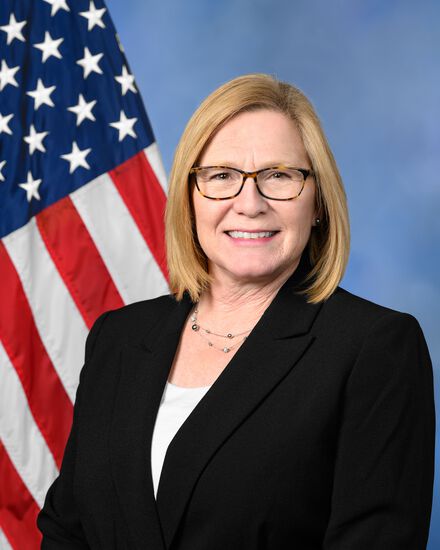
Rep. Michelle Fischbach
Sponsored bills
Maddy summaryThis bill amends the Clean Air Act to update the definition of fossil fuel, explicitly including "fuel for ocean-going vessels" alongside home heating oil and jet fuel. It directly affects the shipping industry by requiring the Environmental Protection Agency (EPA) to issue regulations within one year of enactment to implement this updated definition. The key mechanism is changing the statutory definition to ensure ocean vessel fuels are covered under existing fossil fuel regulations, potentially influencing future clean fuel standards for ships. The EPA must also submit a report to Congress on implementation within one year of finalizing these regulations.
Maddy summaryThis bill modifies tax reporting rules for gig economy platforms (like Uber or DoorDash) by reinstating a pre-American Rescue Plan threshold. It requires third-party payment platforms to report income to the IRS only if a gig worker earns over $20,000 in a year or completes more than 200 transactions. This directly affects low-earning gig workers who would no longer receive tax forms for smaller earnings. The change simplifies reporting for platforms and reduces administrative burden on workers with minimal income from these platforms.
Maddy summaryThis bill adds a new tax provision (Section 139J) to the Internal Revenue Code, excluding interest income from certain rural and agricultural loans from taxable income for qualifying lenders. It directly affects banks, insurance companies, and farm credit entities that provide loans secured by rural or agricultural property (including qualifying single-family homes in rural areas), while excluding loans to foreign adversary entities (like those linked to China, Russia, or Iran). The law requires lenders to report on how this tax exclusion impacts loan interest rates, with a Treasury report due to Congress within five years. The policy change aims to reduce lenders' tax burden on these specific loans, potentially lowering costs for borrowers in rural communities.
Federal Firearms Licensee Protection Act of 2025 This bill modifies criminal penalties for an offense involving the theft of a firearm from a licensed importer, manufacturer, or dealer, or from their business premises. Specifically, the bill does the following: increases from 10 to 20 years the maximum prison term, and creates a 3- or 5-year mandatory minimum prison term for an offense that occurs during the commission of a burglary or robbery. An attempt to commit an offense is subject to the same penalties as a substantive offense.
Rebuild America’s Health Care Schools Act of 2025 This bill allows hospitals to receive reimbursement under Medicare for certain costs associated with training nursing and allied health students in settings other than the hospital itself. Currently, hospitals may receive reimbursement under Medicare for the reasonable costs associated with training nursing and allied health students if certain conditions are met; the criteria vary depending on whether the students are enrolled in an educational program that is operated by the hospital or another entity. If the students are part of a program that is operated by another entity, the training must occur at the hospital itself or in areas immediately surrounding the hospital in order to qualify for reimbursement (among other requirements). The bill allows hospitals to receive reimbursement for these costs if the training is conducted at an entity that is related to the hospital (i.e., common ownership or control). The bill requires the Centers for Medicare & Medicaid Services (CMS) to update regulations to reflect these changes. Additionally, the CMS may not recoup or reduce payments to hospitals with respect to costs that are allowed under the bill and must refund any such recoupments or reductions that occurred during the six-year period prior to the bill's enactment.
Maddy summaryHR 1683 blocks the implementation of a new federal staffing rule for nursing homes (published May 2024) and creates an advisory panel focused on rural nursing home workforce challenges. The bill directly affects rural skilled nursing facilities and seniors who rely on care in these facilities by halting the rule and requiring the panel to assess staffing shortages in rural and underserved areas. The panel, composed of 17 members including rural representatives from nursing staff, facilities, and state boards, must report within 60 days on workforce barriers and recommend solutions to reduce regulatory burdens. Subsequent annual reports will track progress on strengthening the nursing home workforce, particularly in rural communities.
Maddy summaryHR 1651 would nullify a specific Environmental Protection Agency (EPA) rule finalized on May 9, 2024. This rule established emissions standards for greenhouse gases from new, modified, and reconstructed fossil fuel power plants, set guidelines for existing plants, and repealed the previous "Affordable Clean Energy Rule." The bill would make this EPA rule unenforceable, directly affecting fossil fuel power plants by removing these federal emissions requirements. It does not create new regulations but cancels an existing EPA rule.
Maddy summaryThis bill awards a Congressional Gold Medal to the 761st Tank Battalion (known as the "Black Panthers"), the first predominantly Black armored unit in World War II's European Theater. It recognizes their combat service from 1944-1946, including key roles in the Battle of the Bulge and breaking the Siegfried Line, despite facing racial prejudice during and after the war. The medal will be displayed at the National Museum of African American History and Culture, with bronze duplicates available for sale to cover costs. The bill commemorates the battalion's 130,000 enemy casualties inflicted, 50% casualty rate, and their 1978 Presidential Unit Citation. It does not create new laws or affect current policies.
Maddy summaryHR 1582, the Volunteer Driver Tax Appreciation Act of 2025, increases the mileage reimbursement rate for volunteers driving for qualifying organizations. It amends IRS Code section 170 to set a minimum rate of 14 cents per mile for volunteer driving, with the Secretary of the Treasury allowed to set a higher rate for transportation of persons or property on behalf of tax-exempt organizations (like charities or religious groups). This directly affects volunteers who drive for these organizations, allowing them to deduct higher mileage costs on their taxes. The change applies to taxable years beginning after December 31, 2024.