

Maddy summaryHR 51, the Washington, D.C. Admission Act, would admit Washington, D.C. as the 51st state, named "Washington, Douglass Commonwealth," granting its residents full representation in Congress with two Senators and one Representative. The bill establishes procedures for admission, including elections for state officials, with the state initially having one Representative until the next congressional apportionment. It would create a "Capital" area (including the White House, Capitol, and other key federal buildings) that remains under federal jurisdiction as the seat of the U.S. government, while the rest of the District becomes the new state. The bill also includes provisions to ensure continuity of federal services, property management, and legal procedures during the transition to statehood.
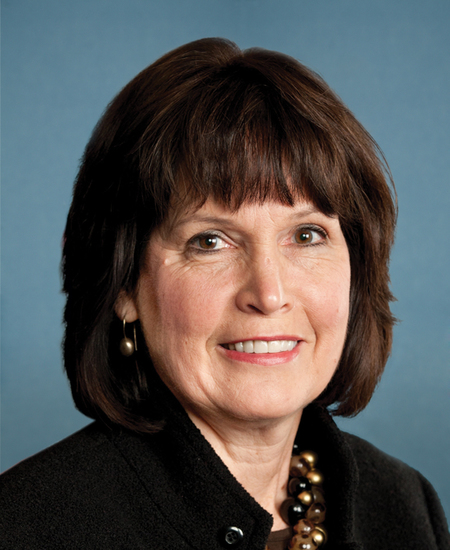
Rep. Betty McCollum
Sponsored bills
Commission to Study and Develop Reparation Proposals for African Americans Act This bill establishes the Commission to Study and Develop Reparation Proposals for African Americans. The commission must (1) compile documentary evidence of slavery in the United States; (2) study the role of the federal and state governments in supporting the institution of slavery; (3) analyze discriminatory laws and policies against freed African slaves and their descendants; and (4) recommend ways the United States may recognize and remedy the effects of slavery and discrimination on African Americans, including through a formal apology and compensation (i.e., reparations). The commission consists of individuals from civil society and reparations organizations and individuals appointed by the President and congressional leadership; Members of Congress and governmental employees may not serve on the commission. The commission may hold hearings, subpoena witnesses and records, and contract with other entities to conduct its work. The commission must submit its final report within 18 months of its first meeting.
Environmental Justice For All Act This bill establishes several environmental justice requirements, advisory bodies, and programs and modifies the scope of environmental review under the National Environmental Policy Act of 1969. The bill sets forth provisions to address the disproportionate adverse human health or environmental effects of federal laws or programs on communities of color, low-income communities, or tribal and indigenous communities. It also prohibits disparate impacts on the basis of race, color, or national origin as discrimination. Aggrieved persons may seek legal remedy when faced with such discrimination. In addition, the bill directs agencies to follow certain requirements concerning environmental justice. For example, agencies must prepare community impact reports that assess the potential impacts of their actions on environmental justice communities under certain circumstances. It also raises coal, oil, and gas royalty rates to create a funding source to support fossil fuel-dependent communities and displaced workers as they transition away from fossil fuel industries. Additionally, the bill creates a variety of advisory bodies and positions, such as the White House Environmental Justice Interagency Council. Among other things, the council must issue an environmental justice strategy. It also establishes requirements and programs concerning chemicals or toxic ingredients in certain products. For example, the bill (1) requires certain products (e.g., cosmetics) to include a list of ingredients or warnings; and (2) provides grants for research on designing safer alternatives to chemicals in certain consumer, cleaning, toy, or baby products that have an inherent toxicity or that are associated with chronic adverse health effects. Finally, it creates a variety of funding programs, such as a grant program to enhance access to park and recreational opportunities in urban areas.
Methane Waste Prevention Act of 2021 This bill establishes requirements to reduce methane emissions from the oil and natural gas sector. Methane is emitted during the production and transport of coal, natural gas, and oil. Specifically, the Environmental Protection Agency (EPA) must issue regulations that require the sector to reduce methane emissions over time. By 2025, methane emissions must be at least 65% below 2012 emissions. By 2030, the emissions must be at least 90% below 2012 emissions. The Department of the Interior must also establish regulations to reduce and prevent the waste of natural gas on federal land and Indian lands, including waste from venting, flaring, and fugitive releases. The regulations must include consistent enforcement mechanisms for any oil or gas operations that are not in compliance.
This act designates the facility of the United States Postal Service located at 236 Concord Exchange North in South Saint Paul, Minnesota, as the Officer Leo Pavlak Post Office Building.
This act designates the facility of the United States Postal Service located at 100 South 1st Street in Minneapolis, Minnesota, as the Martin Olav Sabo Post Office.
This act designates the facility of the United States Postal Service located at 825 West 65th Street in Minneapolis, Minnesota, as the Charles W. Lindberg Post Office.
This act designates the facility of the United States Postal Service located at 100 3rd Avenue Northwest in Perham, Minnesota, as the Charles P. Nord Post Office.
This act designates the facility of the United States Postal Service located at 317 Blattner Drive in Avon, Minnesota, as the W.O.C. Kort Miller Plantenberg Post Office.
This act designates the facility of the United States Postal Service located at 155 Main Avenue West in Winsted, Minnesota, as the James A. Rogers Jr. Post Office.