

Maddy summaryHRES 1588 is a House resolution supporting Transgender Day of Remembrance (TDoR) by recognizing the epidemic of violence against transgender people and memorializing those killed between October 1, 2023, and September 30, 2024. It specifically honors 38 transgender or gender-nonconforming individuals whose lives were lost to violence during that period, highlighting that transgender women of color face disproportionate risks. The resolution acknowledges systemic issues like underreporting, barriers to healthcare, and higher rates of homelessness and suicide within the community. It calls for the U.S. government to prioritize solutions to this violence while affirming transgender people's right to dignity and safety. As a symbolic resolution, it does not create new laws or policies but formally recognizes these issues for congressional record.
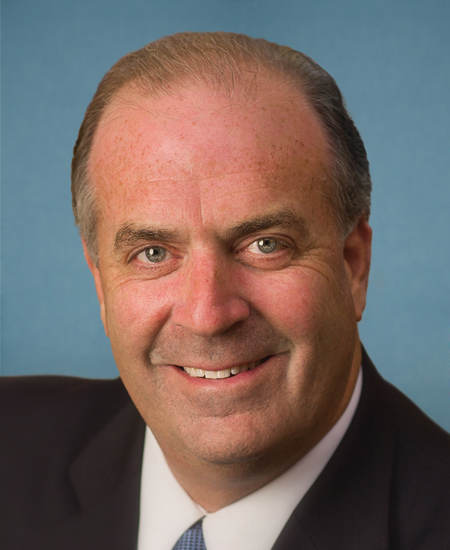
Rep. Daniel T. Kildee
Sponsored bills
Maddy summaryThis resolution (HRES 554) affirms U.S. policy support for religious and ethnic minority survivors of ISIS genocide in Iraq, including Yezidis, Assyrians, Chaldeans, and others. It calls for U.S. policy to prioritize the safe return of displaced communities to ancestral areas like Sinjar and the Nineveh Plain, restoration of destroyed religious sites and homes, and economic revitalization of these regions. The resolution urges the Iraqi government and international donors to allocate specific funding for these efforts and ensure minority representation in decision-making, referencing Iraq's Constitution on minority rights. As a non-binding resolution, it does not create new laws but formally states U.S. policy direction on this issue.
Maddy summaryHR 10166 requires the Secretary of Defense to appoint a Coordinator within one year of enactment to address PFAS contamination at military sites. The Coordinator will directly serve current and former defense communities in the U.S. affected by perfluoroalkyl and polyfluoroalkyl substances (PFAS) pollution. Key responsibilities include improving the Department's outreach and communication about PFAS contamination and acting as a dedicated point of contact between the Department, local governments, and affected residents. This bill creates a formal liaison role to enhance transparency and coordination during ongoing PFAS remediation efforts at military facilities.
Maddy summaryThis resolution (HRES 1558) is a symbolic House of Representatives measure supporting October as "National Domestic Violence Awareness Month." It does not create new laws or allocate funding but formally expresses the House's support for raising awareness about domestic violence and its impacts, and urges continued backing for existing programs that address domestic violence. The resolution cites statistics on domestic violence prevalence (e.g., 24 people per minute affected by intimate partner violence) to underscore the importance of the observance. It directly affects public awareness efforts but does not change policies or directly impact individuals.
Maddy summaryThe Parity for Tribal Law Enforcement Act would allow tribal law enforcement officers working under federal contracts or compacts (via the Indian Self-Determination Act) to enforce federal law on tribal lands, provided they complete equivalent training, pass background checks, and receive Bureau of Indian Affairs certification. It designates these officers as federal law enforcement officers for legal protections under specific federal laws, such as the Federal Tort Claims Act. The bill requires the Secretary of the Interior to establish a credentialing process within 24 months and directs the Attorney General to coordinate federal public safety efforts in Indian communities through improved data collection and training. This policy change directly affects tribal officers and communities by expanding their enforcement authority and legal recognition.
Maddy summaryThe Expanding Clean Fuel Production Act of 2024 extends an existing tax credit for clean fuel producers by changing the expiration date from December 31, 2027, to December 31, 2037. This directly affects businesses producing eligible clean fuels, such as renewable diesel or sustainable aviation fuel, by allowing them to continue claiming the tax credit for a decade longer. The key provision modifies Section 45Z(g) of the Internal Revenue Code to adjust the credit's end date, maintaining the same eligibility rules. The change applies to fuel sold after December 31, 2027, providing long-term certainty for these producers.
Maddy summaryThe VA Employee Fairness Act of 2024 modifies collective bargaining rules for employees of the Veterans Health Administration (VHA). It removes existing subsections (b), (c), and (d) from the law governing VHA employee bargaining and renumbers the remaining provision. This change streamlines the collective bargaining framework but does not alter the Secretary of Veterans Affairs' existing authorities over incentive pay and expedited hiring. The bill directly affects VHA employees by changing how their collective bargaining rights are structured under federal law. The law remains neutral, focusing solely on procedural adjustments to the existing bargaining framework.
Maddy summaryHR 9983, the Save Our Ships Act, establishes a new $5 million annual grant program under the Department of the Interior to preserve historic military vessels. The program provides competitive grants to museums, memorials, and other public sites displaying decommissioned military ships (like those operated by the Navy, Coast Guard, or Maritime Commission) for physical repairs, environmental hazard mitigation, and education programs about maritime careers. Eligible recipients include state/local governments and nonprofit organizations managing these sites, with funds specifically targeting the upkeep of vessels and workforce development in shipbuilding. This bill directly supports the long-term preservation of these vessels for public education and historical access.
Maddy summaryHR 7032, the Congressional Budget Office Data Sharing Act, amends the 1974 Congressional Budget Act to give the Congressional Budget Office (CBO) clearer authority to quickly obtain data from executive branch agencies. The bill removes barriers to CBO requests by allowing data sharing "with or without written agreement," while requiring the CBO to maintain required confidentiality levels. It also prevents future laws from limiting this authority unless specifically referenced. The law directly affects the CBO and federal agencies that provide budget-related data, aiming to improve the CBO's ability to analyze government spending.
Maddy summaryThis bill amends the Clean Air Act to modify ethanol waiver processes and fuel volatility standards. It adds a new provision allowing fuel to enter commerce if it meets Reid Vapor Pressure requirements through similarity to certified vehicles or existing waivers, and adjusts vapor pressure limits from 10% to 10-15% in several sections. Small refineries that retired credits for 2016-2018 compliance years may now have those credits returned or applied to future years if their petitions remained pending as of December 1, 2022. The changes directly affect fuel retailers, ethanol producers, and small refineries by altering compliance pathways for fuel standards and credit management under the renewable fuel program.