

Maddy summaryHR 660, "Ethan's Law," requires gun owners in homes where minors (under 18) or individuals prohibited from owning firearms under federal/state law reside to store firearms securely. It makes unsecured storage unlawful if a minor or prohibited person could access the firearm, with fines of $500 per violation and enhanced penalties (up to 5 years in prison) if injury or death occurs. The bill also establishes a federal grant program to help states implement similar secure storage laws and provides funding incentives for states that already have such laws in place.
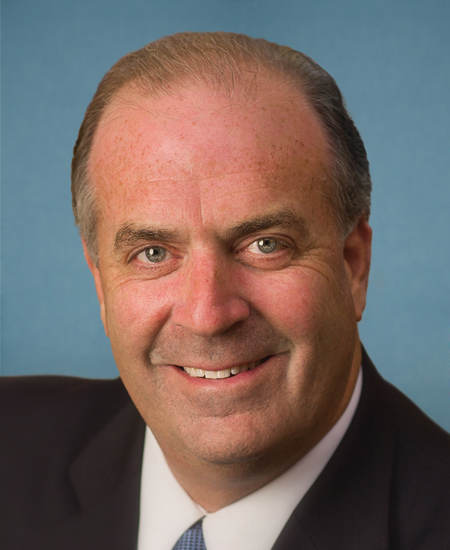
Rep. Daniel T. Kildee
Sponsored bills
Maddy summaryHR 582, the Credit Union Board Modernization Act, changes the required meeting frequency for boards of directors at federal credit unions. It replaces a simple "monthly" requirement with tiered schedules based on each credit union's performance rating under the Uniform Financial Institutions Rating System. Top-rated credit unions (ratings 1 or 2) must meet at least six times yearly, with one meeting per fiscal quarter. Lower-rated credit unions (ratings 3, 4, or 5) must meet monthly, and new credit unions must meet monthly for their first five years. This directly affects all federal credit unions by adjusting their board meeting obligations based on their regulatory rating.
Maddy summaryThis bill prohibits the possession, sale, or transfer of most large-capacity ammunition magazines (holding more than 15 rounds) for the general public, while exempting law enforcement officers (including campus security officers), retired officers, and certain licensed entities like nuclear facility security. It requires new magazines manufactured after enactment to have serial numbers and manufacturing dates, and allows federal grant funds to support buy-back programs for these devices. Existing owners of such magazines lawfully possessed before the law's enactment are exempt from the prohibition. The law applies to devices not already covered under current exemptions for law enforcement, nuclear security, and retired officers.
Maddy summaryHJRES 22 disapproves a rule issued by the Department of Commerce that established procedures for temporarily suspending the payment of import duties under a specific presidential proclamation. The rule, published in the Federal Register (87 Fed. Reg. 56868), would have allowed delays in paying duties on certain imported goods. By passing this resolution, Congress nullifies the rule, preventing the Department of Commerce from enforcing it. This directly affects the Department's ability to manage duty suspensions for imports covered by the proclamation.
Maddy summaryThis bill adjusts federal employee pay rates for 2024. It increases basic pay for all federal workers under statutory pay systems and prevailing rate systems by 4.7%, and raises locality pay adjustments by 4.0%. These changes directly affect all federal employees covered by the specified pay systems, including those in wage areas and under sections 5348/5349 of Title 5. The bill implements these raises without altering existing pay system structures or requirements.
Maddy summaryThis bill creates a 20% tax credit for property owners who convert older office buildings (at least 25 years old) to residential, retail, or other commercial uses. To qualify, conversions must meet specific requirements, including that for residential conversions, at least 20% of units must be rent-restricted for low-income residents (earning 80% or less of area median income). The credit applies to qualified conversion costs incurred after the bill's enactment and aims to encourage revitalizing downtown areas with excess office space. This policy change directly affects commercial property owners and developers who convert eligible buildings.
Maddy summaryHR 286, the Health Care Providers Safety Act of 2023, provides federal grants to healthcare providers to improve security at their facilities. The bill authorizes the Secretary to fund security services and physical/cyber security enhancements, including video surveillance, data privacy measures, and structural improvements. These grants directly help healthcare facilities, personnel, and patients by addressing safety concerns. The law specifies that funds must be used for necessary security costs to ensure safe access to healthcare services. It does not create new mandates but offers financial support for security upgrades.
Maddy summaryThis bill prohibits the export or sale of petroleum products drawn from the U.S. Strategic Petroleum Reserve to specific countries and entities, including China, Russia, North Korea, Iran, and any nation under U.S. sanctions. It also bans exports to entities owned or controlled by these countries or the Chinese Communist Party. The Secretary of Energy must enforce this ban, though they may issue a national security waiver for specific exports. The bill requires the Secretary to issue implementing rules within 60 days of enactment. It directly affects the Secretary of Energy, oil exporters seeking to use the Strategic Petroleum Reserve, and the listed countries/entities.
This resolution urges all participants in the Good Friday agreement and subsequent agreements to honor their obligations. The resolution also supports efforts to (1) prevent a hard border within the island of Ireland and (2) promote peace and prosperity for all communities. (The island of Ireland is divided between Northern Ireland, which is part of the United Kingdom, and the Republic of Ireland, a European Union member state.)
Maddy summaryHRES 42 is a symbolic resolution expressing the House's desire for the U.S. Postal Service's Citizens' Stamp Advisory Committee to consider issuing a commemorative stamp honoring late Congressman Elijah E. Cummings (D-MD). It does not create new law or affect any specific people or policies - it only requests the USPS committee recommend a stamp to the Postmaster General. The resolution highlights Cummings' career, including his service as Oversight Committee Chair and advocacy for issues like drug pricing and postal service stability. As a non-binding resolution, it has no legal effect but aims to formally recognize his legacy through a commemorative stamp.