

Maddy summaryHR 4769, the PFAS Alternatives Act, funds research and training to develop PFAS-free turnout gear for firefighters. It authorizes $25 million annually (2024-2028) for grants to eligible organizations to research, develop, and test next-generation gear without per- and polyfluoroalkyl substances (PFAS), which are linked to firefighter cancer risks. The bill requires partnerships with firefighting organizations to ensure research translates into practical training and gear care guidance, including decontamination protocols. It also allocates $2 million yearly for training programs on proper gear use and maintenance, aiming to reduce exposure to hazardous chemicals during fire operations.
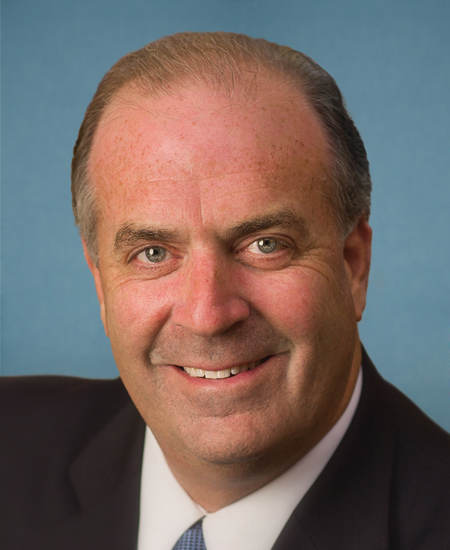
Rep. Daniel T. Kildee
Sponsored bills
Maddy summaryHR 4663, the Federal Mechanical Insulation Act, defines "mechanical insulation" (insulation around pipes and equipment in federal buildings) as an eligible energy efficiency measure. It requires federal agencies to include mechanical insulation in their required energy and water evaluations, specifically mandating that evaluations identify this insulation as a potential efficiency measure. The bill specifies that such insulation must meet minimum standards under Reference Standard 90.1 to qualify. This change directly affects federal building managers and contractors by formally recognizing mechanical insulation as a standard efficiency option in compliance with existing energy conservation laws.
Maddy summaryThis bill requires the Department of Justice and Health and Human Services to translate key gun violence prevention materials - including extreme risk protection orders and safe storage resources - into the 10 most common non-English languages in the U.S. (like Spanish, Mandarin, and Korean) for limited English proficient communities. It mandates that community-based organizations with ties to these language groups review translations for cultural appropriateness before publication. The bill also prioritizes grant applications that include targeted outreach plans for limited English proficient populations when funding gun violence prevention programs. These changes aim to improve access to evidence-based safety strategies for communities where language barriers might otherwise limit participation.
Maddy summaryHR 4787, the Volunteer First Responder Housing Act, provides housing benefits for volunteer firefighters and emergency medical responders who meet specific service requirements. It allows qualified volunteers to receive an $18,000 annual income deduction when applying for USDA single-family home loans, and qualifies them for discounted home purchases under HUD’s Good Neighbor Next Door program (normally for certified firefighters/EMTs). To qualify, volunteers must have served continuously for two years (meeting minimum hour requirements or active membership) and hold state certification, with employer verification confirming their eligibility. This directly affects volunteer first responders in communities served by eligible fire departments or emergency services organizations.
Maddy summaryH.J.Res. 25 would remove the 1979 deadline for states to ratify the Equal Rights Amendment (ERA), which was originally proposed in 1972. This bill directly affects states that ratified the ERA after the deadline (such as Nevada, Illinois, and Virginia in 2017-2018) by making their ratifications legally valid. The key provision states that the ERA is valid as part of the Constitution if ratified by three-fourths of states, regardless of the original deadline. The bill does not create new rights but aims to finalize the constitutional amendment process by eliminating the time limit.
Maddy summaryThis bill increases funding for home modifications for disabled veterans using VA home health services. It raises the maximum annual amount veterans can receive for home improvements from $6,800 to $10,000 and for structural alterations from $2,000 to $5,000. The bill also requires annual adjustments to these amounts based on inflation, using the Consumer Price Index, to maintain their real value over time. These changes apply only to veterans who first apply for these benefits after the bill's enactment date.
Maddy summaryHR 1815 creates a three-year pilot program to test assisted living services as an alternative to VA nursing home care for eligible veterans. It directly affects veterans currently receiving VA nursing home care or needing higher care than VA domiciliary services but not meeting full nursing home criteria. The program selects six VA service networks (prioritizing regions with high nursing home use and rural areas), contracts with approved facilities meeting VA standards, and pays lower rates than nursing home costs. The VA must report annually on participants, costs, barriers, and quality, with a final report recommending whether to expand the program nationwide.
Maddy summaryHR 1774, the VA Emergency Transportation Act, expands VA benefits to cover emergency transportation for veterans. It amends existing law to replace "emergency treatment" with "emergency services" throughout, explicitly including ambulance or air ambulance transport as covered services. This means veterans needing emergency transport to or from a medical facility (to receive treatment) can now have those costs reimbursed by the VA. The bill directly affects veterans who require urgent medical transport, clarifying that such transportation is part of their covered VA benefits.
Maddy summaryThis bill requires the Department of Veterans Affairs (VA) to reimburse veterans for travel expenses at the same rate used for government employees traveling on official business. It directly affects veterans receiving VA medical care who travel using personal vehicles, ensuring their mileage reimbursement matches the federal standard set by the General Services Administration. The key change aligns the VA's reimbursement rate with the existing federal government rate (currently 41.5 cents per mile), eliminating the previous fixed rate and requiring annual updates to reflect current government standards.
Maddy summaryThis bill, HR 1282 (Major Richard Star Act), expands benefits for certain military retirees by allowing them to receive both veterans' disability compensation and military retirement pay simultaneously. It specifically affects combat-related disabled retirees under Chapter 61 of the military retirement system who have fewer than 20 years of service. The key change removes the automatic reduction of military retirement pay when these retirees also receive disability compensation, as amended in Section 1413a(b)(3) of Title 10. Technical updates to the law’s structure and effective date (starting after enactment) complete the provisions.