

Maddy summaryHRES 1206 is a symbolic House resolution supporting the designation of May 2024 as "Mental Health Awareness Month." It does not create new laws or funding but aims to raise public awareness about mental health challenges, emphasizing the need to reduce stigma and treat mental well-being as equally important as physical health. The resolution cites statistics on rising mental health crises - including increased anxiety, depression, and suicide rates among youth, LGBTQ+ individuals, veterans, and communities of color - to underscore the urgency of the issue. It encourages nationwide efforts to promote mental health awareness and access to care during this designated month.
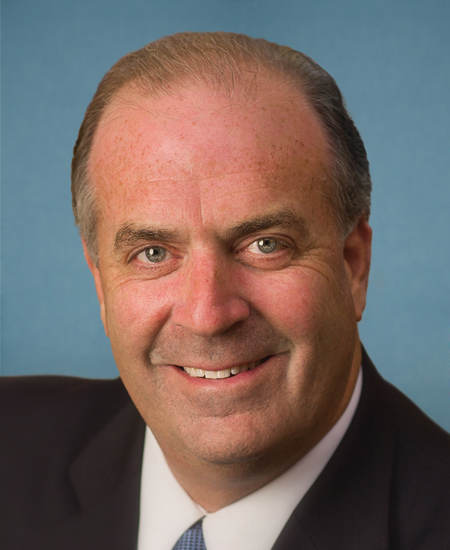
Rep. Daniel T. Kildee
Sponsored bills
Maddy summaryHRES 1203 is a symbolic resolution designating July 17, 2024, as "Glioblastoma Awareness Day." It expresses congressional support for raising public awareness about glioblastoma, a highly aggressive brain cancer with a 6.9% 5-year survival rate and limited treatment options. The resolution encourages greater public understanding of the disease's challenges, honors those affected by it, and urges continued research and collaboration. This is a non-binding awareness measure with no new funding or policy changes.
Maddy summaryThe Tribal Tax and Investment Reform Act of 2024 creates tax parity for Indian tribal governments by extending various tax benefits currently available to states. The bill treats tribal governments similarly to states for excise taxes, bond issuance, pension plans, charitable organizations, child support enforcement, and adoption credits. It also establishes new tax credits for investments in tribal areas and clarifies exclusions for certain tribal programs like health service loan repayments and scholarships. This legislation directly affects Indian tribal governments, their citizens, and tribal organizations by addressing historical tax disadvantages and improving access to capital for economic development.
Maddy summaryThis resolution (HRES 1198) commemorates the 105th anniversary of formal diplomatic relations between the United States and Poland, established in 1919. It honors historical milestones including Poland’s fight for independence, Polish-American contributions (like the Blue Army and figures such as Kosciuszko and Paderewski), and shared democratic values. The resolution highlights key events like the 1918 Fourteen Points and Poland’s NATO/EU membership, but does not create new laws or affect any individuals or entities. It serves as a ceremonial recognition of enduring U.S.-Poland ties, reaffirming mutual commitment to democracy and security. As a commemorative resolution, it has no legal effect beyond expressing congressional sentiment.
Maddy summaryHRES 1197 is a non-binding House resolution recognizing the contributions of elementary and secondary school teachers. It formally thanks teachers for their role in building civic, cultural, and economic well-being, aligning with National Teacher Appreciation Week (May 6-10, 2024). The resolution encourages students, parents, school leaders, and officials to acknowledge teachers during this week. It does not create new programs, allocate funding, or impose obligations on schools or educators. As a symbolic gesture, it directly addresses the teaching profession without altering any laws or policies.
Maddy summaryHR 8231, the James Earl Jones Congressional Gold Medal Act, authorizes a Congressional Gold Medal to be awarded to actor James Earl Jones in recognition of his distinguished career in theater and film, and his role in advancing inclusion and equal opportunities for people of all backgrounds in the entertainment industry. The Treasury will strike the medal with an image and inscription of Jones, and may produce and sell bronze duplicates to cover costs, with proceeds deposited into the U.S. Mint's public enterprise fund. This bill serves as a ceremonial honor with no new legal requirements or policy changes.
Maddy summaryHRES 1166 is a symbolic resolution expressing congressional support for Earth Day. It urges the President to issue an Earth Day proclamation, encourages Americans to take specific environmental actions (like addressing pollution and supporting indigenous stewardship), and calls for global efforts to advance climate goals. The resolution does not create new laws or directly affect any groups - it serves as a non-binding statement of support for environmental action. It references historical environmental milestones but focuses on reaffirming the need for year-round climate and environmental protection efforts.
Maddy summaryHR 4389, the Migratory Birds of the Americas Conservation Enhancements Act of 2023, amends the Neotropical Migratory Bird Conservation Act to increase federal funding for conservation projects from 25% to 33.3% of eligible costs. It extends the authorization period for funding through 2028 and requires the Secretary to submit a report to Congress on collaboration efforts with partners. This bill directly affects conservation organizations, state governments, and local groups that receive federal funds to protect migratory birds traveling between the U.S. and the Neotropics (Central and South America, Caribbean). The changes provide more stable financial support and accountability for existing bird conservation programs.
Maddy summaryHR 8100 would authorize a special semipostal stamp sold at a 25% surcharge above regular first-class postage. The extra revenue from stamp sales would directly fund the Great Lakes Restoration Initiative through the Environmental Protection Agency, supporting habitat restoration, invasive species control, and algal bloom mitigation. The stamp would be available for at least five years, with proceeds guaranteed to not offset existing federal funding for the initiative. This policy change creates a dedicated public funding stream for Great Lakes conservation, benefiting the 40+ million people relying on the lakes' water and the region's ecosystem.
Maddy summaryThis bill requires the EPA to establish new water quality standards and discharge limits for PFAS chemicals (like "forever chemicals") within strict deadlines. It mandates the EPA to publish human health criteria by 2027 and set industry-specific discharge limits for targeted sectors (e.g., chemical manufacturing, electroplating, landfills) by 2025-2027. The bill also requires immediate monitoring of PFAS discharges from these industries and wastewater treatment facilities, and allocates $200 million annually (2024-2028) to help treatment works address PFAS contamination. These changes directly affect regulated industries, wastewater systems, and communities near water sources contaminated by PFAS.