

Maddy summaryThe Social Security 2100 Act would significantly enhance Social Security benefits for millions of Americans by increasing monthly payments for retirees, disabled workers, widows/widowers, and children. Key provisions include raising the minimum benefit for long-term low earners, improving cost-of-living adjustments using a more accurate index, eliminating the 5-month waiting period for disability benefits, and extending child benefits to age 26. The bill also changes how Social Security taxes are calculated by applying them to income above $400,000 and establishes a unified Social Security Trust Fund to manage program finances. Most provisions would apply to benefits payable from 2025 through 2034, affecting all current and future Social Security beneficiaries.
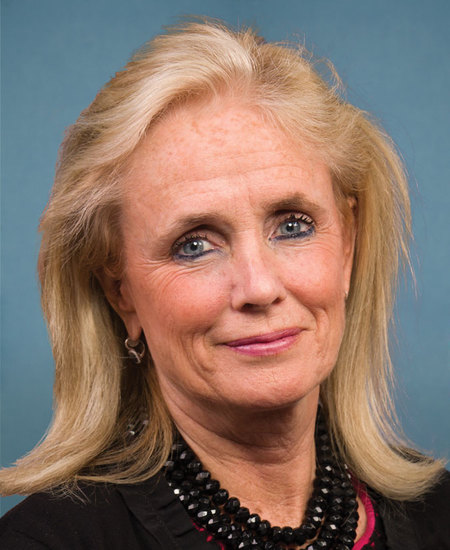
Rep. Debbie Dingell
Sponsored bills
Maddy summaryThis bill mandates an interagency review by the Department of Health and Human Services (with Defense and Veterans Affairs) to address lung cancer disparities affecting women. It requires a report evaluating research gaps, improving access to lung cancer screening (especially for underserved groups), and developing public awareness campaigns about early detection. The review will focus on factors like environmental exposures, genomic differences, and treatment responses specific to women, particularly those who never smoked. The report must be submitted to Congress within one year of enactment. This directly affects women at risk of lung cancer, including those with non-smoking-related cases.
Maddy summaryThe PrEP Access and Coverage Act of 2023 requires private health insurance plans, Medicare, Medicaid, and other public health programs to cover pre-exposure prophylaxis (PrEP) for HIV prevention without cost-sharing, including the medication, related lab tests, and follow-up care. The bill also prohibits life, disability, and long-term care insurance companies from denying coverage or charging higher premiums to people taking PrEP. It establishes public education campaigns to increase awareness of PrEP and PEP (post-exposure prophylaxis) and creates funding for state and community programs to expand access to HIV prevention services, particularly for populations disproportionately affected by HIV including Black, Hispanic/Latinx, and transgender individuals. The legislation specifically addresses current disparities in PrEP access, as data shows only 11% of Black/African American and 21% of Hispanic/Latinx individuals eligible for PrEP received prescriptions in 2022 compared to 82% of White individuals. Coverage requirements for most plans will take effect on January 1, 2025.
Maddy summaryThis bill sets annual reference prices for prescription drugs based on prices in other countries (like Germany, Japan, and Canada), requiring drug manufacturers to sell covered medications at or below these reference prices within federal health programs. It directly affects Medicare, Medicaid, CHIP, TRICARE, VA care, federal employee health plans, and Indian Health Service programs. Manufacturers must offer drugs at the reference price to all patients, including those without insurance or in private plans, with violations triggering civil penalties of 5 times the revenue difference. Collected penalties fund NIH drug research, applying to both brand and generic drugs approved by the FDA.
Maddy summaryThis bill modifies the $800 de minimis exemption for small shipments entering the U.S. duty-free. It excludes goods from nonmarket economy countries and nations on the U.S. trade "priority watchlist" from this exemption. Importers must submit detailed documentation (including origin, value, shipper details, and classification) to U.S. Customs within 180 days of enactment. Providing false information could result in $5,000 civil penalties per violation. The changes apply to shipments entered on or after 180 days after the bill’s enactment.
Maddy summaryThis bill amends Medicare rules to improve access to home infusion therapy, which delivers IV medications at home for conditions like chronic diseases. It adds pharmacy services (including drug preparation and compounding) to covered Medicare benefits and creates a payment rule: if a supplier isn't physically present during therapy, Medicare pays 50% of the full rate instead of denying payment. It also allows nurse practitioners and physician assistants to establish and review home infusion care plans, previously limited to physicians. These changes, effective January 2024, directly affect Medicare beneficiaries requiring home infusion therapy and providers delivering these services.
Maddy summaryHR 4034 would add cranial prostheses (such as medical wigs) to Medicare's list of covered durable medical equipment. It requires a dermatologist, oncologist, or attending physician to certify in writing that the prosthesis is medically necessary as part of rehabilitative treatment. This change directly affects Medicare beneficiaries experiencing hair loss due to medical conditions like cancer treatment who need these prostheses for health reasons. The bill does not cover cosmetic wigs but specifically targets medically necessary cranial prostheses under existing Medicare coverage rules.
Maddy summaryThe Leveling the Playing Field 2.0 Act (HR 3882) updates U.S. trade law to better address international trade practices that disadvantage American businesses. It establishes special rules for handling multiple investigations of the same merchandise (called "successive investigations"), requiring the Commerce Department to consider previous injury determinations when making new findings. The bill also creates mechanisms to address market distortions from foreign government subsidies, including currency undervaluation, and strengthens procedures to prevent duty evasion through certification requirements for importers. These changes primarily affect foreign exporters of goods subject to U.S. antidumping and countervailing duty investigations, as well as U.S. importers of those goods.
Maddy summaryHR 3926, the Protecting Our Widows and Widowers in Retirement Act (POWR Act), increases Social Security benefits for surviving spouses in households where both spouses earned retirement benefits. It changes the calculation so widows and widowers who worked and earned their own benefits will receive 75% of the sum of their own retirement benefit plus the deceased spouse’s primary benefit amount, rather than a fixed percentage. The bill also ensures Supplemental Security Income (SSI) eligibility and benefit amounts remain unaffected by these changes. The provisions apply to benefits payable after December 2023.
Maddy summaryHR 3851, the Access to Breast Cancer Diagnosis Act of 2023, requires most health insurance plans (including group and individual coverage) to cover diagnostic and supplemental breast exams without any out-of-pocket costs like copays or deductibles. This applies to medically necessary exams used to evaluate abnormalities detected during screening (diagnostic) or to screen high-risk individuals without abnormalities (supplemental), following National Comprehensive Cancer Network guidelines. Plans may still require prior authorization for these exams, and state laws providing stronger protections remain in effect. The law takes effect for plan years beginning January 1, 2024.