

Maddy summaryThis bill extends multiple conservation programs through 2030, primarily adjusting expiration dates from 2025 to 2030. It creates a new "Black Vulture Livestock Protection Program" allowing state Farm Bureau organizations to obtain statewide permits for controlled black vulture management to protect livestock, with requirements for permit applications, reporting, and a study on sustainable population levels. Other provisions include extending funding for the Chesapeake Bay Program ($92 million annually through 2030), the North American Wetlands Conservation Act, and the Chronic Wasting Disease Task Force. The bill also modifies administrative details for fish habitat partnerships, reporting requirements, and technical corrections to existing conservation laws.
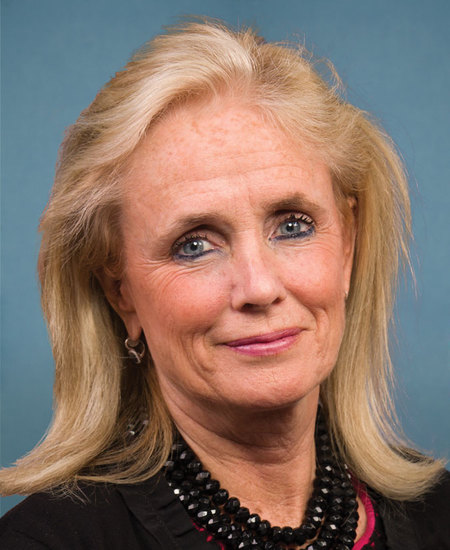
Rep. Debbie Dingell
Sponsored bills
Maddy summaryThe MAPWaters Act requires federal agencies managing public waters (like the National Park Service, Bureau of Land Management, and Forest Service) to create standardized, digital maps and databases about water access rules. It mandates publishing online details on seasonal closures, equipment restrictions (e.g., motorized boats), fishing zones, boat ramp locations, and navigation data within 4 years. This directly helps recreational users - such as boaters, anglers, and hikers - by making complex access rules easier to find and understand. The bill does not change existing fishing or waterway regulations but requires agencies to update data regularly and allow public feedback on the information.
Maddy summaryHR 3283, the "Facilitating DIGITAL Applications Act," requires the Department of the Interior and Department of Agriculture to establish online portals for processing Form 299 applications (permits for installing communications facilities like cell towers on public lands). It mandates that the Assistant Secretary of Commerce submit regular reports to Congress every 60 days, detailing whether these departments have created such portals and any barriers preventing their use. The bill directly affects federal land management agencies and companies seeking permits for communications infrastructure on public lands or National Forest System lands. It focuses solely on reporting existing obstacles to digital processing, without creating new policies or changing land use rules.
Maddy summaryHRES 1617 is a non-binding resolution expressing the House of Representatives' view that the federal government should dramatically expand and strengthen the care economy. It calls for federal investments to address systemic gaps in care infrastructure, including universal access to affordable childcare, elder care, paid family leave, and mental health services, while prioritizing higher wages and union protections for care workers - particularly women of color and immigrants. The resolution emphasizes repairing historical inequities rooted in exclusion from labor protections and connecting care infrastructure to broader goals like climate justice and economic equity. It does not create new law but urges future legislation to adopt these principles as a foundation for policy. The resolution directly affects millions of care workers, families relying on care services, and communities facing systemic barriers to care access.
Maddy summaryThe Samier Amer Foster Care Improvement Act of 2024 requires states to provide written notice of foster care placement decisions within 90 days to parents, relatives, guardians, legal representatives, and the child (if able to express an opinion). It mandates that states establish procedures allowing those notified to request documentation of placement reasons within 5 days and enabling the child’s attorney to petition a court for a review of the decision. Courts must then review placement decisions within 7 days using existing case records. This bill applies to all states operating foster care programs under federal law, directly affecting children in foster care, their families, and legal advocates.
Maddy summaryThis bill requires Medicare providers to inform patients about breast reconstruction coverage before performing a mastectomy. Specifically, it mandates that providers must tell patients their Medicare coverage includes breast reconstruction surgery following a medically necessary mastectomy (covered under Medicare's existing national policy 140.2) and document this discussion in the patient's medical record. The requirement applies to all mastectomies performed on or after one year after the bill's enactment. It directly affects Medicare beneficiaries undergoing mastectomies and the healthcare providers who perform these procedures, ensuring patients are aware of existing coverage options. The bill does not change Medicare's coverage rules but ensures patients receive clear information about available benefits.
Maddy summaryThe SAFE for Survivors Act of 2024 provides comprehensive workplace protections for survivors of domestic violence, dating violence, sexual assault, and stalking. It establishes a new entitlement to 40 work days of safe leave per year (with 10 days paid) for employees to address qualifying acts of violence, including time for counseling, safety planning, legal assistance, and medical care. The bill prohibits employers from discriminating against or retaliating against employees who take this leave, requires reasonable accommodations for survivors, and ensures unemployment compensation eligibility for those who separate from work due to violence. It also includes insurance protections preventing insurers from denying coverage or charging higher premiums based on a person's status as a survivor. This legislation directly affects employees, employers, and insurance providers across the United States.
Maddy summaryThe Comprehensive Dental Reform Act of 2024 would expand dental coverage under Medicare and Medicaid by adding "oral health services" as a covered benefit. Starting in 2025, Medicare would cover 100% of preventive dental services and 80% of other services. Medicaid would require states to cover oral health services for adults (with some exceptions), including mobile dental services to overcome access barriers, and would increase federal funding for these services by 15 percentage points. The bill also creates new programs to expand the dental workforce through training, loan repayment, and partnerships with dental schools, with specific provisions for veterans, prisoners, and Indian Health Service.
Maddy summaryThe Steel Modernization Act of 2024 provides financial assistance and tax credits to U.S. steel manufacturers adopting technologies that reduce greenhouse gas emissions from steel production. It requires recipients to produce "near-zero emissions intensity steel" by 2035, report emissions data, and implement community benefits plans that address local environmental and economic concerns. The bill also imposes a tariff on imported steel based on its emissions intensity, with revenues funding clean energy programs and administrative costs. This affects steel manufacturers, workers, and communities near steel facilities by promoting cleaner production while supporting domestic steel industry competitiveness.
Maddy summaryThis bill requires states to provide foster youth aged 14 and older with essential documents annually - such as credit reports, birth certificates, health records, and foster care verification - without cost, along with clear explanations of their rights and available services. It expands the Chafee Foster Care program to support youth transitioning from foster care through age 23, focusing on education, housing, health, job training, and life skills, while mandating that states consult directly with youth in planning these services. States must track participation and outcomes, including how many youth receive required documents and achieve key milestones like housing stability or educational goals. The bill directly affects foster youth and state child welfare agencies, aiming to improve their independence and well-being during critical transition years.