

Maddy summaryHR 4482, the Stop NOAA Closures Act, imposes a temporary moratorium on closing, suspending, or limiting access to National Oceanic and Atmospheric Administration (NOAA) facilities, effective until a report is submitted to Congress by January 21, 2029. The bill requires NOAA and the General Services Administration to submit detailed reports to specific congressional committees before any future facility closure, suspension, lease termination, or consolidation - outlining cost-benefit analyses, service impacts, and justification. Exceptions apply only for emergencies posing immediate threats to personnel safety. This bill directly affects NOAA's facility management decisions and mandates congressional oversight for future closures.
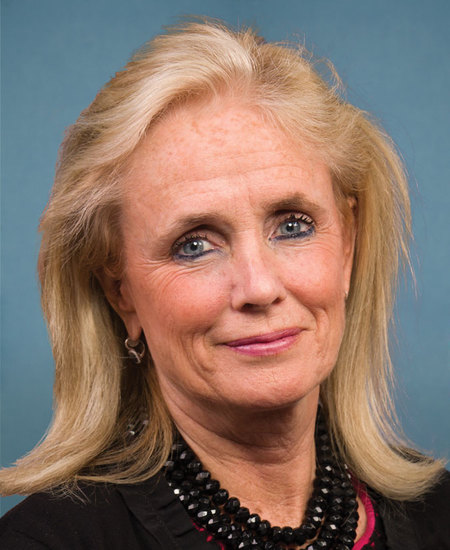
Rep. Debbie Dingell
Sponsored bills
Maddy summaryThis bill prohibits Medicare from paying for orthotics or prosthetics delivered directly to patients without in-person training from a qualified provider (a "drop shipment"), ensuring beneficiaries receive proper fitting and use instructions. It expands the list of healthcare providers who can prescribe these devices to include physical therapists, occupational therapists, orthotists, and prosthetists. The bill also specifically requires Medicare to cover replacements for custom-fitted orthotics and custom-fabricated orthotic devices, aligning with existing rules for prosthetic replacements. These changes aim to improve patient safety and access to properly fitted devices under Medicare.
Maddy summaryThis bill requires Medicaid programs to cover specific treatments for individuals with breast or cervical cancer. It adds a new provision to Medicaid rules that explicitly includes these patients in mandatory coverage, ensuring states must provide necessary care. The bill also mandates that Medicaid cover breast reconstruction surgery following a medically necessary mastectomy. These changes directly affect Medicaid beneficiaries diagnosed with breast or cervical cancer who need these specific treatments. The policy update removes gaps in existing coverage for these critical cancer care services.
Maddy summaryHR 4486, the Microplastics Safety Act, requires the FDA (within the Department of Health and Human Services) to study the health impacts of microplastics in food and water. The study must identify major exposure pathways and examine effects on children's health, the endocrine system, cancer, chronic illness, and reproductive health. The FDA must submit a report to Congress within one year of the bill's enactment, detailing the study's findings and recommending potential legislative or administrative actions. This bill does not impose new regulations or bans but mandates a federal study to inform future policy decisions.
Maddy summaryThis bill authorizes $30 million annually (2026-2030) to fund grants for partnerships between sexual assault programs and health/wellness providers, behavioral health programs, and disability services. It directly supports survivors of sexual assault - especially adult survivors of childhood abuse - by requiring grantees to develop trauma-informed, culturally relevant services like therapy, housing assistance, and care coordination. Eligible recipients include state/tribal coalitions, nonprofit rape crisis centers, and tribal organizations, which must use funds for specific activities including prevention, screening, and staff training while protecting survivor privacy. Grantees must report on program effectiveness, and the bill also updates existing law to explicitly include sexual assault in related provisions.
Maddy summaryHR 4545, the Medicare Breast Reconstruction Access and Information Act, requires healthcare providers to inform Medicare patients about coverage for breast reconstruction surgery before performing a mastectomy. The bill amends the Social Security Act to mandate that suppliers providing a mastectomy must explain that reconstruction is covered under Medicare's national coverage determination 140.2 and document this discussion in the patient's medical record. This applies specifically to Medicare beneficiaries undergoing medically necessary mastectomies. The law ensures patients receive clear information about existing coverage options prior to surgery, without changing Medicare's benefit structure.
Maddy summaryHR 4484 (ADAPT Act) adds Medicare coverage for psychological services provided by supervised trainees - doctoral interns or postdoctoral residents in APA-accredited programs under licensed psychologists' supervision. It requires a new billing code (GC modifier) for these services and directs the Health Secretary to issue Medicaid/CHIP guidance to states on implementing similar coverage, including recommended billing codes and state examples. The bill directly affects trainees seeking licensure and their supervising psychologists by enabling federal billing for their services. States would use the guidance to adjust coverage policies for trainee services under Medicaid and CHIP programs.
Maddy summaryThis bill would require cosmetic suppliers to provide brand owners with detailed safety information about ingredients, including environmental and health hazards, chemical properties, and testing results. It creates a new FDA list of "nonfunctional constituents" (chemicals with no purpose in the product but potentially harmful to health or the environment) and mandates testing for these substances. Suppliers must provide certificates of analysis showing levels of these substances before selling to brand owners. The bill also establishes recordkeeping requirements for the entire cosmetic supply chain to facilitate recalls or investigations. These requirements apply to cosmetic manufacturers, suppliers, and brand owners, with the FDA responsible for implementation and enforcement.
Maddy summaryThis bill would fund research into health impacts from chemicals in cosmetics used by communities of color and professional salon workers, with $7.5 million allocated for each research area. It requires cosmetic manufacturers to provide safety data sheets in multiple languages (English, Spanish, Vietnamese, Chinese, Korean) for salon products containing hazardous chemicals. The bill establishes two national resource centers to provide education, training, and culturally appropriate materials about safer cosmetic choices for underserved populations. It also regulates synthetic braids as cosmetics under FDA safety standards, requiring warning labels if safety standards aren't met.
Maddy summaryThis bill would require cosmetic brand owners to disclose all ingredients, including fragrances and flavors, on their websites and product packaging. Starting 1 year after enactment, brand owners must list all ingredients in descending order on their websites, including the functional purpose of fragrance ingredients. By 2 years after enactment, product packaging must list all ingredients and include a link to health information for products containing certain hazardous chemicals identified in EPA, California, EU, and other official lists. The bill creates a master list of hazardous chemicals that the Food and Drug Administration must maintain and update, which would be publicly available. This affects all cosmetic manufacturers and brand owners selling products in interstate commerce, giving consumers more transparency about potentially harmful ingredients.