

Maddy summaryHR 1078, the Veteran Education Empowerment Act, establishes a federal grant program to help colleges and universities create or improve dedicated Student Veteran Centers. The bill authorizes up to $500,000 per institution over four years for centers providing lounge space, benefits counseling, academic support, and peer mentorship specifically for veterans, active-duty service members, and their families. Eligible institutions must serve a significant veteran population and demonstrate long-term sustainability. The program requires annual reporting on center usage, veteran demographics, and outcomes like degree completion, with the Department of Education mandated to share best practices via a public website. This directly supports veterans navigating higher education challenges like transition difficulties and isolation.
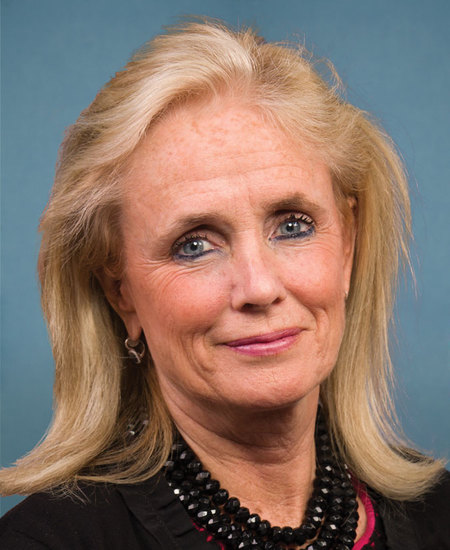
Rep. Debbie Dingell
Sponsored bills
Maddy summaryThis bill expands health care coverage under TRICARE for military dependents. It eliminates a separate premium for young adults aged 21-26 enrolled in the TRICARE Young Adult Program, meaning they will no longer pay an extra fee for coverage. The bill also removes an eligibility restriction that previously limited coverage for some dependents in this age group. These changes directly affect military service members' adult children and spouses who rely on TRICARE Young Adult coverage. The policy update simplifies enrollment and reduces out-of-pocket costs for these beneficiaries.
Maddy summaryThis bill authorizes a single Congressional Gold Medal to honor all U.S. Army Dustoff crews who served during the Vietnam War (1962-1973). It recognizes their critical role in evacuating nearly 900,000 wounded personnel, including U.S., South Vietnamese, and allied forces, under extreme combat conditions. The medal, designed with input from the Secretary of Defense, will be presented to the U.S. Army Medical Department Museum for permanent display. Duplicate bronze medals may be sold to cover costs, but the primary action is the commemorative recognition of these crews' service.
Veterans Infertility Treatment Act of 2023 This bill requires the Department of Veterans Affairs (VA) to furnish infertility treatments, standard fertility preservation services, or both to a covered veteran or partner of a covered veteran. A covered veteran is a veteran who is enrolled in the VA health care system and has infertility or is at risk of having infertility, as determined by a licensed physician. The VA may furnish up to three completed in vitro fertilization cycles that result in live birth, or 10 attempted cycles, whichever occurs first. Additionally, the VA may furnish in vitro fertilization treatment using donated gametes or embryos. The VA must receive consent to furnish an in vitro fertilization cycle from the covered veteran, the partner of a covered veteran, and the third-party donor (if applicable). For purposes of paying travel expenses for treatment or services to the partner of a covered veteran, the VA must deem the partner to be a veteran receiving treatment or care. The VA must prescribe regulations related to the provision of infertility treatments and standard fertility preservation services as required by this bill. Prior to the enactment of such regulations, the VA must ensure that (1) counseling and treatment furnished under existing authority is available to a veteran and the veteran's partner, regardless of whether they are married; and (2) treatment under existing authority may be furnished using donated gametes or embryos.
Maddy summaryHRES 93 is a symbolic House resolution expressing support for designating February 4, 2023, as "National Cancer Prevention Day." It does not create new laws or allocate funds but aims to raise public awareness about cancer prevention efforts. The resolution highlights cancer's impact (citing U.S. statistics on diagnoses and deaths) and aligns with the Cancer Moonshot initiative. It recognizes the importance of reducing cancer risks and encourages early detection without proposing concrete policy changes. This procedural resolution affects no specific group but seeks to foster broader public engagement with cancer prevention.
Maddy summaryThe Supply Chain Mapping and Monitoring Act establishes a new Supply Chain Resiliency and Crisis Response Office within the Department of Commerce to map, monitor, and strengthen supply chains for critical goods and services essential to national security and economic security. The Office will identify vulnerabilities in supply chains, develop response strategies for supply chain shocks (including natural disasters, cyberattacks, and pandemics), and coordinate with private industry, labor organizations, and international partners. It requires the Office to produce a comprehensive report every four years assessing supply chain resilience and making recommendations to improve domestic manufacturing capacity, while protecting confidential business information shared with the government. This legislation directly affects domestic manufacturers, critical industries across 10 key technology focus areas (including semiconductors, AI, and advanced materials), and supply chains that support critical infrastructure.
Maddy summaryThis bill establishes the Office of Manufacturing Security and Resilience within the Department of Commerce to strengthen U.S. critical supply chains. It requires the development of a strategy to counter threats to critical supply chains, including reducing reliance on "countries of concern" for critical goods. The legislation mandates regular assessments of supply chain vulnerabilities, promotes partnerships with allied nations, and supports domestic manufacturing of critical goods. It directly affects domestic manufacturers, the Department of Commerce, and relevant federal agencies. The bill aims to improve supply chain resilience through monitoring, assessment, and strategic partnerships to ensure access to critical goods during disruptions.
Maddy summaryThe MEANS Act establishes an Office of Manufacturing Security and Resilience within the Department of Commerce to strengthen U.S. supply chains for critical goods. It creates a program providing loans and loan guarantees to domestic manufacturers, enterprises, and other eligible entities to support domestic production of critical goods and reduce reliance on supply chains concentrated in "countries of concern." The program is funded with $35 billion over five years (2024-2028) and prioritizes activities that enhance supply chain resilience, security, and diversity for goods that impact national security or economic security. The bill defines "critical goods" as materials whose absence would significantly affect national security or critical infrastructure, and "countries of concern" as those posing security threats or having committed crimes against humanity.
Maddy summaryHR 762, the Building Resilient Supply Chains Act, establishes a new Office within the Commerce Department to strengthen U.S. supply chains for critical goods and services. It creates a $41 billion program (over fiscal years 2024-2028) offering grants, loans, and loan guarantees to eligible entities like domestic manufacturers, state/local governments, Tribal governments, and manufacturing extension centers. The funding supports projects that diversify, secure, and expand domestic production of critical items - such as semiconductors, batteries, and medical supplies - to enhance national security and economic resilience. Recipients must use federal funds for no more than 80% of project costs and agree to workforce protections, including maintaining existing union contracts during the funding period.
Maddy summaryHR 826 establishes a new Supply Chain Resiliency and Crisis Response Office within the Department of Commerce. The Office develops voluntary guidelines to help domestic manufacturers and businesses that produce or use "critical goods" (like defense materials or infrastructure supplies) assess supply chain risks and improve resilience against disruptions. It will monitor supply chains, conduct stress tests, and provide resources to help companies redesign products and expand manufacturing capacity. The bill directly affects manufacturers of critical goods and aims to prevent shortages that threaten national security or economic stability. It allocates $500 million over five years to fund these efforts.