

Maddy summaryThe WIC for Kids Act expands eligibility for the Special Supplemental Nutrition Program for Women, Infants, and Children (WIC) by adding new qualifying pathways. It allows children to qualify if they live in households where someone receives Head Start, Indian reservation food assistance, or Puerto Rico/Northern Mariana Islands nutrition block grants, and streamlines documentation by permitting states to use existing records. The bill extends certification periods for children from one to two years and automatically enrolls infants born to current WIC participants. This directly affects low-income families with children who qualify for related assistance programs but previously faced barriers to WIC access.
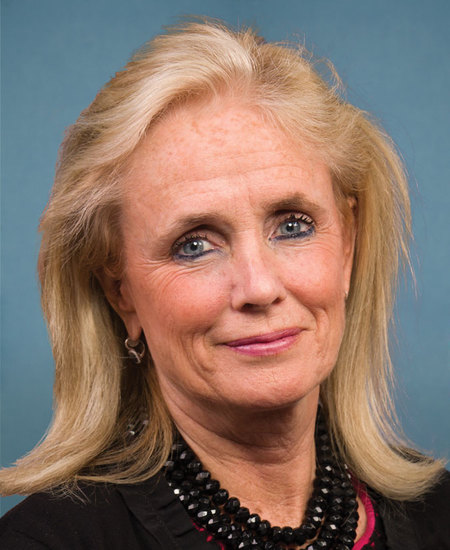
Rep. Debbie Dingell
Sponsored bills
Maddy summaryThe AACCENT Act would establish a national network of three resource centers to improve access to augmentative and alternative communication (AAC) tools and services for approximately 4 million Americans with significant expressive communication disabilities. The law would fund nonprofit partnerships through grants to create these centers, requiring that they include people with communication disabilities in leadership roles through an advisory council. These centers would provide training, technical assistance, and resources to educators, healthcare providers, employers, and families to help individuals with communication disabilities participate fully in education, employment, and community life. The centers would also collect data to address disparities in access to AAC services, particularly for people from racial and ethnic minority communities. The bill authorizes $9 million annually for five years to support this initiative.
Maddy summaryThis bill requires federal agencies to mandate that auto manufacturers bidding on vehicle assembly contracts disclose detailed workforce information for each plant involved. Specifically, contractors must provide average and range of hourly wages, temporary worker counts, and any OSHA or National Labor Relations Act violations at each manufacturing location. It also requires written agency permission - and additional disclosures - if a contractor seeks to shift production to a new plant, with notification to affected labor unions. The law directly affects auto manufacturers competing for federal vehicle assembly contracts and aims to increase transparency around labor practices.
Maddy summaryThis bill requires federal financial regulators (like the Fed and Consumer Bureau) to create guidance for banks within 180 days of enactment. The guidance directs banks to help consumers and businesses affected by government shutdowns - including furloughed federal workers, DC employees without pay, and contractors with reduced income - by adjusting loan terms, preventing payment hardships, and stopping negative credit reporting during temporary financial difficulties. Banks must also immediately notify regulators, consumers, and businesses if a shutdown begins. After a shutdown ends, regulators must report to Congress on the guidance's effectiveness and update it within 180 days if needed.
Maddy summaryThe Voluntary Public Access Improvement Act of 2023 increases annual funding for the Voluntary Public Access and Habitat Incentive Program to $150 million per year from fiscal years 2024 through 2028. This program provides financial incentives to private landowners who allow public access to their land for recreational activities like hunting and fishing, while also supporting habitat conservation efforts. The bill amends the Food Security Act of 1985 to establish this new funding level, replacing previous annual amounts. It directly affects participating landowners who enroll in the program and the public seeking expanded recreational access to private lands. The change is a specific funding adjustment without altering the program's existing structure or eligibility rules.
Maddy summaryThis bill establishes special pay rates for wildland firefighters employed by the Forest Service or Department of the Interior. It creates a percentage increase over standard General Schedule base rates (ranging from 1.5% for GS-15 to 42% for GS-1), provides 450% premium pay for days deployed to qualifying wildfire incidents, and requires rest and recuperation leave following incident deployment. These changes apply specifically to firefighters whose duties primarily relate to wildland fires, not structural fires. The bill takes effect on October 1, 2023, and replaces standard pay rates for affected firefighters. Premium pay is not considered part of basic pay for various compensation calculations.
Maddy summaryHR 4943, the Enabling Farmers to Benefit from Processing Nutrition Programs Act of 2023, simplifies how farmers and ranchers can join federal nutrition programs like SNAP, senior farmers' market programs, and WIC farmers' market initiatives. It requires the USDA to create either a single application for all programs or a system that automatically shares approved vendor information across programs, eliminating duplicate paperwork for farmers. The bill also mandates the use of standardized mobile technology, such as mobile apps or single-point equipment, to process benefits at farmers markets and direct-to-consumer sales. This directly benefits direct marketing farmers and ranchers by reducing administrative barriers to participating in these nutrition assistance programs.
Maddy summaryHCONRES 67 designates the week of September 17-23, 2023, as "National Fall Prevention Awareness Week" to highlight fall risks among older adults (aged 65+). It cites CDC data showing falls cause ~39,000 preventable deaths and $50 billion in annual medical costs for this group. The resolution supports existing evidence-based fall prevention programs - like balance exercises, home hazard reduction, and medication management - and encourages collaboration between federal agencies, community organizations, and healthcare providers to raise awareness. It does not create new laws but formally recognizes ongoing efforts to reduce falls.
Maddy summaryHRES 719 is a symbolic resolution designating the week beginning September 24, 2023, as "National Source Water Protection Week." It does not create new laws or directly affect individuals or entities, but expresses congressional support for raising public awareness about protecting drinking water sources. The resolution highlights the importance of safeguarding water quality and quantity for public health, the environment, and community resilience. It encourages collaboration among local, state, and federal entities to promote water conservation and protection efforts.
Maddy summaryThis bill amends the Higher Education Act to require all U.S. colleges and universities receiving federal financial aid to create detailed anti-harassment policies covering physical, online, and institution-sponsored settings. It mandates policies prohibiting harassment based on race, sex (including sexual orientation and gender identity), disability, religion, and other protected characteristics, including harassment via institutional email, computers, or electronic messaging. The bill also establishes a $50 million annual grant program to fund colleges developing prevention programs, victim support services, and training for students and staff on recognizing and addressing harassment. These policies and grants must comply with existing civil rights laws like Title IX but add specific requirements for reporting and prevention.