

Maddy summaryThis joint resolution seeks to reject a specific rule issued by the Department of Health and Human Services regarding the Child Care and Development Fund. By invoking a statutory process, the bill aims to prevent the rule from taking effect, which would stop the Department from implementing the proposed changes to child care funding flexibility. The measure directly impacts the administration of federal child care assistance programs and affects families and organizations relying on the CCDF. If passed, the original regulations published in May 2026 would be nullified and have no legal force.
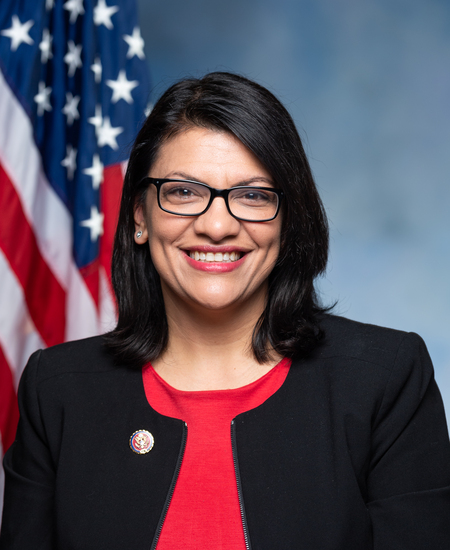
Rep. Rashida Tlaib
Sponsored bills
Maddy summaryHR 5408, the Faster Labor Contracts Act, requires employers to begin negotiating a first contract with a newly certified union within 10 days of written request. If no agreement is reached within 90 days, the parties must seek mediation, and if unresolved after 30 days of mediation, the dispute moves to binding arbitration by a three-member panel. The arbitration decision, based on factors like employer finances, industry standards, and cost of living, becomes binding for two years. This bill directly affects newly certified unions and their employers during initial contract negotiations, aiming to reduce delays that currently average 465 days.
Maddy summaryThis bill, known as the Double the Wage for Overtime Act of 2026, aims to change how overtime pay is calculated for employees covered by the Fair Labor Standards Act. It directly affects workers who currently earn less than $23,660 annually, as it would require employers to pay them two times their regular hourly rate instead of one and a half times for hours worked beyond 40 in a week. The law takes effect 180 days after it is signed, ensuring a transition period before the new pay requirements begin. By raising the overtime multiplier, the legislation seeks to increase earnings for hourly workers who work extra hours.
Maddy summaryThe Right to Record Act of 2026 establishes a federal legal right for individuals to record, observe, or peacefully protest federal law enforcement activities in public view. It creates a new civil cause of action that allows individuals to sue federal officers and the United States government for specific retaliatory actions, such as arresting someone for recording or threatening them with database inclusion. Under this bill, violators could face civil penalties of up to $100,000 in punitive damages if the misconduct was done with malice or reckless disregard for rights. The law also mandates annual training for federal officers on respecting these rights while enforcing the law and clarifies that the right does not extend to physically restraining an officer.
Maddy summaryThe Artificial Intelligence Environmental Impacts Act of 2026 directs the Environmental Protection Agency to study and report on the environmental effects of artificial intelligence, including energy and water use, pollution, and electronic waste. This bill requires large data centers to annually submit detailed public reports on their resource consumption and environmental footprint, with penalties for non-compliance. Additionally, it establishes a stakeholder consortium to develop standardized methods for measuring these impacts and to identify ways to promote beneficial uses of AI while reducing negative effects. The legislation aims to increase transparency and accountability regarding the growing environmental costs associated with AI infrastructure and operations.
Maddy summaryThis resolution expresses support for designating June 5, 2026, as National Gun Violence Awareness Day and June 2026 as National Gun Violence Awareness Month. The bill calls on the public to wear orange on the designated day to honor victims and promote awareness of gun safety. It highlights statistics on gun-related deaths and injuries to underscore the need for community discussions on making neighborhoods safer.
Maddy summaryThis bill, known as the Closing the Digital Divide for Students Act of 2026, allows public housing utility allowances to cover high-speed internet service, equipment, and installation fees for families with children who qualify for free or reduced-price school lunches. The legislation sets the covered internet cost at the lowest monthly rate available in the area while explicitly permitting families to choose more expensive plans or bundled services if they prefer. Additionally, the bill requires internet service providers to offer a specific filtering technology that blocks visual content harmful to minors, ensuring a level of protection comparable to existing certified standards. These changes directly affect households living in public housing by expanding the types of living expenses that can be subsidized through their utility benefits.
Maddy summaryThis concurrent resolution directs the President to withdraw all United States Armed Forces from Lebanon within seven days of the bill's adoption. It operates under section 5(c) of the War Powers Resolution, which allows Congress to mandate the removal of troops from foreign locations. The measure directly affects the executive branch by requiring immediate compliance with the specified timeline for troop withdrawal.
Maddy summaryThe Gig Is Up Act requires large companies with over $100 million in annual revenue and at least 10,000 independent contractors to withhold taxes from payments made to these workers. This provision treats the earnings of these specific contractors as wages for Social Security purposes, effectively doubling the employer's portion of the tax on their behalf. The law applies to payments made after December 31, 2026, and includes rules for grouping related businesses together to determine if they meet the size thresholds.
Maddy summaryThis resolution expresses support for designating May 2026 as Mental Health Awareness Month to highlight the importance of mental well-being and reduce stigma. It does not create new laws or allocate funding but serves as a formal statement acknowledging the rising rates of mental illness, suicide, and disparities in care across the United States. The text cites various statistics regarding anxiety, depression, and access to treatment to underscore the need for public awareness and continued efforts by medical and community organizations. Ultimately, the bill encourages citizens and institutions to use this month to promote mental health resources and support for individuals and families affected by mental illness.