

Maddy summaryThe Humane Cosmetics Act of 2023 bans cosmetic animal testing in the United States, prohibiting companies from conducting or contracting such testing after its enactment (effective 1 year later). It also bans selling or transporting cosmetics developed using animal testing conducted after that date within U.S. interstate commerce. The law directly affects cosmetic manufacturers, retailers, and suppliers operating in the U.S. market, requiring them to use non-animal testing methods for safety evaluations. Exceptions exist for foreign regulatory requirements or when no alternative testing methods are available for specific ingredients.
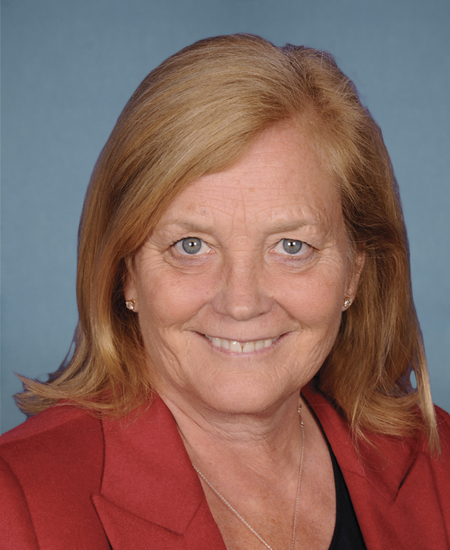
Rep. Chellie Pingree
Sponsored bills
Maddy summaryThe No Tax Breaks for Union Busting Act would deny tax deductions for employers who attempt to influence employees' decisions about union activities, including unfair labor practices like firing workers for organizing or using captive audience meetings. It targets expenses related to union-busting tactics, such as consulting fees and other costs used to sway workers' opinions about collective bargaining. Employers would need to report these expenses on tax returns and would no longer be able to deduct them from taxable income. The bill aims to prevent employers from using tax-deductible expenses to influence union elections, aligning with existing rules that deny tax deductions for political spending. It would apply to expenses incurred in taxable years beginning 240 days after enactment.
Maddy summaryThe Arts Education for All Act requires states to integrate arts education into their plans for improving student achievement across all subjects. It mandates schools to report on arts course offerings, teacher qualifications, and student participation rates, with special attention to high-poverty schools and students with disabilities. The bill creates new pathways for arts teacher certification, requires professional development for teachers to integrate arts into core subjects, and establishes national assessment of arts education. This legislation directly affects all public K-12 schools, teachers, and students nationwide, with a focus on expanding arts access for underserved populations.
Maddy summaryHR 5433, the Child Care Stabilization Act, provides $16 billion annually from 2024 to 2028 to stabilize the child care sector through grants administered by the Health and Human Services Secretary. It directly affects licensed child care providers by offering stable funding to cover operating costs, while supporting higher wages for early educators without raising family fees. Key provisions include expanding access to high-quality, affordable care - especially for infants/toddlers, rural communities, and children with disabilities - and addressing shortages in underserved areas. The funding builds on existing American Rescue Plan resources, aiming to strengthen the child care workforce and increase available options for working families.
Maddy summaryHR 5428, the No Tax Breaks for Union Busting (NTBUB) Act, prevents employers from deducting certain expenses related to influencing workers' decisions about union representation. It targets spending on tactics like anti-union meetings, workplace surveillance, or consultants during organizing campaigns, making these costs non-deductible for tax purposes. Employers must report such expenses on their tax returns, including details about the activities and amounts spent. The bill aims to remove tax incentives for employer interference in union elections, aligning with federal labor law protections for workers' collective bargaining rights.
Maddy summaryHR 5341, the Family Farmer and Rancher Tax Fairness Act of 2023, ensures that certain pandemic relief payments made to farmers and ranchers under the American Rescue Plan Act of 2021 and related legislation are not counted as taxable income. Specifically, it excludes payments described in sections 1006(e) of the ARP Act and 22006 of Public Law 117-169 from gross income for recipients. This means eligible farmers and ranchers receiving these payments will not owe income tax on them, and it prevents related tax adjustments that would otherwise reduce deductions or basis. The bill directly affects agricultural businesses that received these specific federal payments during the pandemic.
Maddy summaryThe Jobs in the Woods Act creates a federal grant program to train workers for forestry jobs in rural communities. It provides competitive grants (ranging from $500,000 to $2 million) to eligible groups like states, tribes, nonprofits, or schools for career training programs in forestry operations and products. Priority is given to projects addressing aging workforces, youth engagement through school partnerships, and job placement. The program is funded at $10 million annually from 2024 through 2028, targeting low-income rural areas with populations under 50,000.
Maddy summaryHR 4940, the Fishing Industry Credit Enhancement Act of 2023, expands access to farm credit programs for businesses that support the fishing industry. It amends the Farm Credit Act to include "persons furnishing services directly related to the operating needs" of aquatic product producers or harvesters as eligible for credit from Farm Credit Banks and Production Credit Associations. This change directly affects fishing-related service providers (like equipment suppliers or processors) who previously had limited access to these credit programs. The key mechanism is broadening the existing eligibility criteria to explicitly cover these service businesses, enabling them to secure financing for operational needs.
Maddy summaryHR 4861 authorizes the USDA to provide grants to specific educational institutions - including land-grant universities, community colleges with agriculture programs, and career schools - to develop agriculture workforce training programs. These programs must include internships, apprenticeships, and skill-building workshops in partnership with agriculture companies, industry associations, or nonprofit job-training groups. Grantees must use at least 5% of funds for student recruitment and faculty training to prepare workers for agriculture careers. The bill aims to strengthen the agriculture workforce by improving training, retention, and industry competitiveness.
Women in Agriculture Act This bill directs the Department of Agriculture (USDA) to establish the position of Women Farmers and Ranchers Liaison within USDA. Among other things, the liaison must advocate on behalf of women who are farmers and ranchers in interactions with USDA employees and promote the advancement of women in USDA leadership roles. The liaison may also enter into a contract or cooperative agreement to conduct various research, training, and other activities with respect to women who are farmers and ranchers. The liaison must submit an annual report to Congress on USDA grants, loans, loan guarantees, and cost-share programs for woman-owned agriculture operations. In addition, the bill expands the USDA high-priority research and extension areas to authorize grants for developing and making widely available agriculture equipment and machinery that is ergonomically designed for use by women. Further, USDA must give priority to certain loans or grants to address the availability, quality, or cost of childcare in an agricultural or rural community.