Original Black History Month Resolution of 2022 This resolution recognizes the importance of commemorating Black History Month to acknowledge the achievements of Black Americans throughout history.
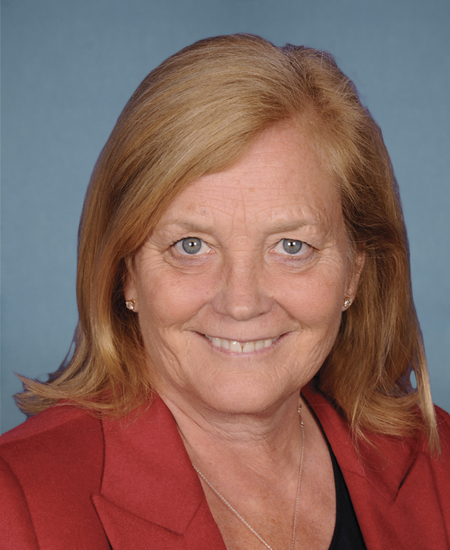
Rep. Chellie Pingree
Sponsored bills
America's Call To Improve Opportunities Now for National Service Act or the ACTION for National Service Act This bill (1) converts the Corporation for National and Community Service into the AmeriCorps Administration and revises its membership, leadership, and authority; (2) reauthorizes programs carried out by the administration; (3) establishes a National Service Foundation to accept and administer gifts on behalf of the administration; (4) modifies the calculation of national service educational awards; and (5) otherwise modifies provisions related to national and volunteer service programs. Additionally, the bill creates an interagency Civilian Climate Corps, operated by the administration, to conduct service projects addressing climate change.

Maddy summaryHRES 939 is a symbolic House resolution expressing support for designating February 21-25, 2022, as "Public Schools Week." It does not create new policies, allocate funding, or impose requirements on schools or students. The resolution uses supportive language to acknowledge public education's role in democracy but has no legal effect. It was introduced by multiple representatives as a non-binding gesture of appreciation for public schools.
This resolution condemns the atrocities and possible crimes against humanity being perpetrated against women and girls in Ethiopia. It also supports the full investigation of atrocities against women and girls in Tigray, Amhara, Afar, and other parts of northern Ethiopia.
Electric Vehicles for All Act or the EVs for All Act This bill requires the Department of Energy to provide grants to eligible entities (i.e., public housing agencies, local governments, and certain non-profit organizations) to facilitate electric vehicle sharing services operated at public housing projects.
This resolution extends collective bargaining rights prescribed in the Congressional Accountability Act of 1995 to employees of the House of Representatives.
Scratch Cooked Meals for Students Act This bill establishes a pilot program to award competitive grants to school food authorities and local educational agencies for activities that promote the use of ingredients that are unprocessed or minimally processed (i.e., scratch cooking) in school meals.
Keeping School Meals Flexible Act This bill extends authority through June 30, 2023, for the Department of Agriculture (USDA) to waive certain requirements for the school meal programs to address COVID-19. The bill extends the authority for USDA to issue a single waiver of child nutrition program requirements to all states under the National School Lunch Program for purposes of providing meals and snacks with appropriate safety measures with respect to COVID-19; grant waivers of requirements to allow non-congregate feeding in the Child and Adult Care Food Program for purposes of providing meals and snacks with appropriate safety measures with respect to COVID-19; and grant waivers related to the nutritional content of meals served in child nutrition programs if it determines the waiver is necessary to provide meals and snacks, and there is a food supply chain disruption due to COVID-19.
Stop the Wait Act of 2022 This bill allows individuals with disabilities to begin receiving Social Security Disability Insurance (SSDI) benefits in the month they become eligible for the benefits. It also allows these individuals to immediately enroll in Medicare if they cannot afford minimum essential coverage. (Under current law, an individual must generally wait 5 months after the onset of disability to begin receiving SSDI benefits and an additional 24 months to become eligible for Medicare.)
Accelerating Charitable Efforts Act or the ACE Act This bill modifies tax rules relating to donor advised funds (DAFs) (separately identified funds maintained and operated by a tax-exempt charitable organization for which a donor retains advisory privileges with respect to the distribution of funds and the investment of assets). Specifically, the bill places certain restrictions on charitable contribution deductions for gifts made to a nonqualified DAF. It also sets forth rules for the treatment of private foundation administrative expenses paid to disqualified persons and for the treatment of distributions to DAFs from private foundations. The bill imposes a 50% penalty on contributions held in a DAF that are not timely distributed. The bill also sets forth special rules for the treatment of contributions from DAFs for purposes of meeting the public support test (the requirement that charitable organizations receive a certain percentage of their support from public sources). The bill exempts from the tax on the investment income of a private foundation (1) distributions to a DAF of not less than 7% of the foundation's assets, and (2) for foundations that have a duration, specified in their governing documents, of not more than 25 years.