

Maddy summaryHR 3443, the Foster Youth Mentoring Act of 2023, creates a federal grant program to fund structured mentoring programs for youth in foster care and those who have aged out of foster care (under age 26). The bill authorizes $50 million annually for grants to eligible organizations (like nonprofits, state agencies, or tribes) to establish or expand mentoring that provides consistent, year-long relationships focused on academic support, emotional development, and transition to adulthood. Key requirements include mandatory mentor training on trauma, cultural competence, and child welfare coordination, along with strict background checks and recruitment strategies to reflect the diversity of youth served. The program directly affects approximately 443,000 youth in foster care (per 2017 data) and aims to improve their educational outcomes, reduce school absences, and build supportive connections through evidence-based mentoring.
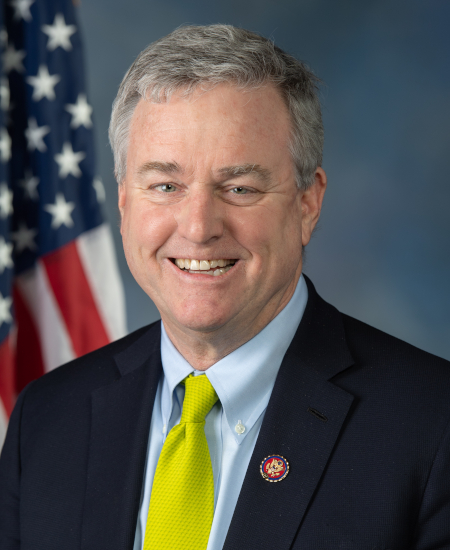
Rep. David J. Trone
Sponsored bills
Maddy summaryThis bill changes Medicare coverage for colorectal cancer screenings. It eliminates out-of-pocket coinsurance costs for these screenings starting in 2026, requiring Medicare to cover 100% of the cost instead of the previous 85% for that year. The change applies to all subsequent years and directly affects Medicare beneficiaries seeking routine colorectal cancer screenings. The key provision amends Medicare Part B to remove the coinsurance requirement for these specific preventive services.
Maddy summaryThis bill would allow diapers to be counted as qualified medical expenses under federal tax law, enabling low-income families with infants and toddlers to use pre-tax funds from health savings accounts, dependent care benefits, and flexible spending arrangements to cover diaper costs. It also prohibits states and localities from imposing sales tax on diaper purchases. These changes directly benefit families who spend up to 14% of their income on diapers - over 5 million children in low-income households face this burden. The policy aims to reduce financial strain by expanding access to tax-advantaged spending for a basic need.
Maddy summaryHR 3207, the Build Housing with Care Act of 2023, creates a $100 million annual grant program to fund the co-location of affordable housing and childcare facilities. It directly affects housing developers, childcare providers, and low-income residents by requiring grantees to partner with qualified childcare centers (serving low-income families or operating in "child care deserts") and avoid evictions during facility development. Key provisions include prioritizing projects in underserved areas, mandating resident engagement, and requiring grantees to use funds for design, construction, or renovation of shared facilities. The program aims to increase childcare access near housing, with annual reports tracking outcomes like new childcare slots and resident usage.
Maddy summary# Summary of Proposed Immigration Legislation This comprehensive immigration bill proposes sweeping reforms across multiple areas of U.S. immigration policy. The key provisions can be categorized as follows: ## Family Immigration Reforms - Expands eligibility for family-based visas - Creates new pathways for family reunification - Reforms the "child out" rule for H-4 visa holders who age out - Establishes new procedures for sponsors of unaccompanied children ## Employment-Based Immigration - Increases diversity visas from 55,000 to 80,000 - Creates new categories for doctoral STEM graduates - Eliminates per-country limits for employment-based visas - Addresses visa backlogs by creating new categories for beneficiaries with priority dates over 10 years old - Increases visa numbers for certain employment-based categories (e.g., 23.55% instead of 28.6% for certain categories) - Creates a Regional Economic Development Immigrant Visa Pilot Program (10,000 visas annually) ## Diversity and Integration Programs - Creates a United States Citizenship and Integration Foundation to promote citizenship preparation - Establishes pilot programs for immigrant integration at state and local levels - Creates English as a Gateway to Integration grant program ($100 million for 2024-2025) - Creates Workforce Development and Shared Prosperity grant program ($100 million for 2024-2025) - Requires in-state tuition rates for refugees, asylees, and certain special immigrants - Waives English requirements for seniors applying for naturalization ## Immigration Court Reforms - Increases immigration judge numbers by 55 annually through 2028 - Creates a right to counsel for vulnerable individuals (children, victims of abuse, etc.) - Establishes an Immigration Counsel Fund with a $25 surcharge on immigration fees - Requires all noncitizens to receive legal orientation programs - Modernizes court technology for improved efficiency - Creates procedures for ensuring court appearance compliance ## Refugee and Asylum Processing - Expands alternatives to detention for family units - Improves processing for asylum seekers - Creates programs to facilitate safe and efficient repatriation - Establishes reintegration support for repatriated individuals ## Naturalization and Citizenship - Creates citizenship pathways for U.S. high school graduates - Waives English requirements for seniors - Creates a National Citizenship Promotion Program - Establishes naturalization ceremonies at historic locations The bill aims to create a more efficient immigration system, address backlogs in immigration courts, promote immigrant integration, create clearer pathways to citizenship, and reform both family-based and employment-based immigration systems. It represents a comprehensive approach to modernizing U.S. immigration policy.
Maddy summaryHR 3033, the Solidify Iran Sanctions Act of 2023, repeals the expiration date (sunset) from the 1996 Iran Sanctions Act. This permanently maintains existing U.S. sanctions targeting Iran's weapons programs, ballistic missile development, and support for terrorism. The bill directly affects Iran's government and entities involved in these activities by ensuring sanctions remain in effect without needing periodic renewal. It does not impose new sanctions but preserves current policy by removing the automatic expiration provision.
Maddy summaryThe Women in Criminal Justice Reform Act (HR 2954) aims to create gender-responsive policies across the criminal justice system for women. It requires law enforcement officers to receive gender-informed training on trauma, domestic violence, and the unique needs of women, and establishes pretrial diversion programs that focus on addressing trauma, substance use, and family needs rather than incarceration. The bill mandates improved healthcare for incarcerated women, including reproductive care, trauma-informed mental health services, and gender-specific prison conditions. It also expands access to programs for mothers and infants in prison and requires facilities to maintain family connections through visitation and community reentry programs. The legislation directly affects women in the criminal justice system, law enforcement officers, correctional staff, and prison healthcare providers.
Maddy summaryThe Tribal Family Fairness Act (HR 2762) increases federal funding and streamlines support for tribal child welfare programs. It sets a minimum $10,000 grant per tribe (up from $5,000), raises the tribal set-aside for child welfare funding from 3% to 4.5%, and boosts total mandatory funding from $345 million to $356 million annually. The bill also allows tribes to use funds for "tribal customary adoptions" and simplifies application/reporting for tribes receiving under $50,000, while permitting in-kind contributions to meet matching requirements. These changes directly affect federally recognized tribes operating child welfare programs under the Social Security Act.
Maddy summaryThe I CAN Act (Improving Care and Access to Nurses Act) expands healthcare access by removing barriers for nurse practitioners, clinical nurse specialists, physician assistants, certified registered nurse anesthetists, and certified nurse-midwives within Medicare and Medicaid programs. Key provisions include allowing these professionals to provide cardiac and pulmonary rehabilitation services, prescribe certain diabetic shoes, and deliver hospice care without unnecessary physician supervision. The bill also clarifies reimbursement for services provided by certified nurse anesthetists and improves access to home health services through certified nurse-midwives. These changes directly affect Medicare and Medicaid beneficiaries by potentially increasing access to care and healthcare providers by expanding their scope of practice. The bill aims to improve healthcare delivery by leveraging the skills of advanced practice nurses across multiple care settings.
Maddy summaryThis bill establishes a new workplace violence prevention standard for healthcare and social service workers. It requires employers in covered facilities - including hospitals, nursing homes, mental health clinics, and social service settings - to develop and implement comprehensive prevention plans with specific requirements. These plans must include risk assessments, hazard prevention measures, employee training on violence prevention, and procedures for reporting and investigating violent incidents. The bill also amends Medicare regulations to require compliance with these standards for hospitals and skilled nursing facilities receiving Medicare funds.