

Reproductive Rights are Human Rights Act of 2021 This bill directs the Department of State to include in its annual reports on human rights in countries receiving U.S. development and security assistance a discussion of the status of reproductive rights in each country. This must include whether a country has adopted and enforced policies to (1) promote access to contraception and accurate, nondiscriminatory family planning and sexual health information; (2) provide services to ensure safe and healthy pregnancy and childbirth; (3) expand or restrict access to safe abortion services; and (4) prevent and treat sexually transmitted diseases. For each country, the reports shall also contain (1) data concerning pregnancy-related injuries and deaths; and (2) a description of the nature and extent of discrimination and violence against women, girls, and LGBTQI+ individuals in health care settings and the relevant government's response to such actions.
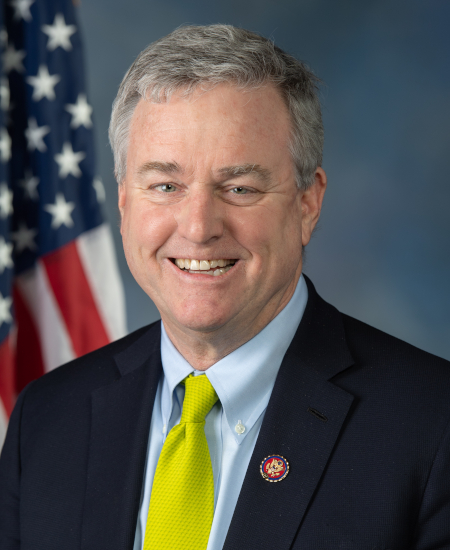
Rep. David J. Trone
Sponsored bills
This resolution supports the designation of ALS Awareness Month. Amyotrophic lateral sclerosis (ALS) is a progressive neurodegenerative disease, also known as Lou Gehrig's disease, that affects nerve cells in the brain and spinal cord.
This resolution expresses support for policies and other efforts to prevent childhood sunburns, such as exempting sunscreen from over-the-counter medication bans in schools.
John Lewis Every Child Deserves a Family Act This bill prohibits discrimination on the basis of sexual orientation, gender identity, marital status, or religion in the provision of child welfare programs and services by entities receiving federal funding. The Department of Health and Human Services (HHS) must provide technical assistance to help states follow this requirement, including (1) guidance for bringing state laws into compliance, (2) developing training to increase cultural competency related to social identity, and (3) training for judges and attorneys involved in child welfare cases, among other supports. Additionally, HHS must establish the National Resource Center on Safety, Well-Being, Placement Stability, and Permanency for LGBTQ Children and Youth Involved with Child Welfare Services to provide training, technical assistance, and guidance to applicable state and local agencies and service providers. Further, the Religious Freedom Restoration Act may not be the basis for challenging the application or enforcement of this bill. The Government Accountability Office must study and report on states' compliance with the requirements of the bill no later than three years after enactment.
Increasing Access to Osteoporosis Testing for Medicare Beneficiaries Act of 2021 This bill specifies that certain Medicare payment rules applicable to imaging services shall apply to dual-energy x-ray absorptiometry services used in bone mass scans beginning in 2022. The Centers for Medicare & Medicaid Services must establish national minimum payment amounts for such services.
Timely ReAuthorization of Necessary Stem-cell Programs Lends Access to Needed Therapies Act of 2021 or the TRANSPLANT Act of 2021 This bill modifies and reauthorizes through FY2026 the C.W. Bill Young Cell Transplantation Program, which provides support to patients who need a potentially life-saving bone marrow transplant or umbilical cord blood transplant. The bill also requires the Department of Health and Human Services to conduct a periodic review of the science of using adult stem cells and birthing tissues in therapeutic treatments. In addition, the Government Accountability Office must report on the regenerative medicine workforce.
Comprehensive Mental Health in Schools Pilot Program Act of 2021 This bill requires the Department of Education to establish a pilot program to award grants to local educational agencies for establishing comprehensive mental and behavioral health services programs in elementary and secondary schools.
Young Americans Financial Literacy Act This bill requires the Consumer Financial Protection Bureau to award competitive grants to eligible institutions for the establishment of financial literacy education programs for young people and families. An eligible institution is a partnership among two or more of the following an institution of higher education; a state or local government agency specializing in financial education; a nonprofit agency, organization, or association; a financial institution; or another small organization. Authorized grant funded activities shall include developing and implementing comprehensive, research based, financial-literacy education programs for young people; designing instructional materials; developing and supporting the delivery of professional development programs in financial literacy education; improving access to, and dissemination of, financial literacy information for young people and families; developing educational programs to reduce student loan default rates; conducting ongoing research and evaluation of financial literacy education programs; and measuring the effectiveness of authorized activities. The grant program shall terminate after FY2025.
Keeping All Students Safe Act This bill prohibits the use of seclusion and limits the use of physical restraint in schools and Head Start programs that receive federal funding. Specifically, the bill prohibits the use of seclusion, which is the involuntary confinement of a student alone in a room or area from which the student is physically prevented from leaving. The term does not include a time out, which may involve separating the student from others in a non-locked setting. The bill prohibits the use of mechanical or chemical restraints or physical restraints that restrict breathing or are life threatening. The bill outlines the requirements for the use of physical restraint, including that the student's behavior must pose an imminent danger of serious physical injury to the student or other individual. Each state must ensure that a sufficient number of program personnel are trained and certified by a state-approved crisis intervention training program. Additionally, each program must establish procedures to follow after an incident involving physical restraint. Further, the bill establishes enforcement provisions, including a private right of action for a student who has been subjected to unlawful seclusion or restraint. The Department of Education and the Department of Health and Human Services must withhold payments from a program for unlawful seclusion or restraint. Finally, the bill requires each state educational agency (SEA) to establish, implement, and enforce policies and procedures required by the bill. It also creates a grant program to assist SEAs with these activities.
Reporting Instances of Non-authorized Grift Act of 2021 or the RING Act of 2021 This bill requires creditors to establish a hotline for assisting consumers who are 50 years of age or older to resolve billing errors and mitigate fraud.