

Maddy summaryHR 415, the "End the Threat of Default Act," repeals the statutory debt ceiling (section 3101 of Title 31, U.S. Code), which currently limits how much the federal government can borrow. This would eliminate the need for Congress to approve increases to the borrowing cap, removing the risk of a government default on its debts. The bill directly affects the Treasury Department’s ability to manage federal borrowing, as it would no longer require congressional action to authorize new debt issuance. The technical amendments update references to the debt ceiling in other laws to reflect this change.
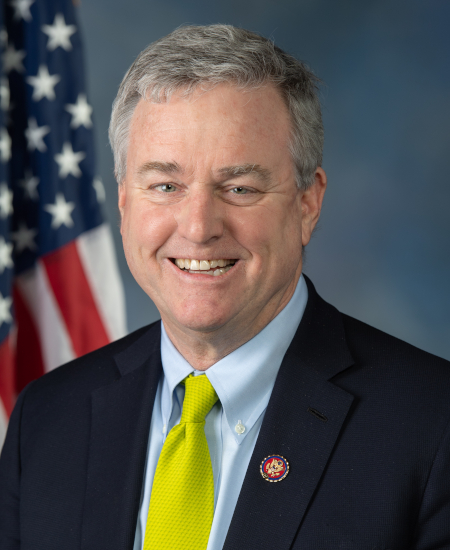
Rep. David J. Trone
Sponsored bills
Maddy summaryThis bill, HR 35 (Close the Medigap Act of 2023), prohibits Medicare supplemental insurance (Medigap) insurers from denying coverage or charging higher premiums based on health status, pre-existing conditions, genetic information, or age. It directly affects Medicare beneficiaries (particularly those with pre-existing conditions) and requires insurers to offer guaranteed issue coverage starting January 1, 2024, with full implementation by 2029. Key mechanisms include banning health-based pricing discrimination, requiring insurers to spend at least 65% of individual policy premiums on healthcare (increasing to align with NAIC recommendations), and improving transparency on the Medicare Plan Finder website. The bill does not change Medicare Part A/B benefits but ensures broader access to supplemental coverage without health-related barriers.
Maddy summaryHR 33 would expand Medicare to cover dental, vision, and hearing services for beneficiaries, which are currently not covered under Medicare. The bill provides 100% coverage for preventive dental services in 2024, with basic dental services gradually increasing to 80% coverage by 2027. Vision coverage would include routine eye exams and corrective lenses at 80% coverage, while hearing services would cover hearing exams and hearing aids at 80% coverage. The bill includes specific limitations, such as two dental cleanings per year and one pair of glasses every 24 months, with the Secretary of Health and Human Services having authority to apply additional limitations or modify coverage based on medical recommendations. The changes would take effect on January 1, 2024.
Maddy summaryHR 8995, the Baby Changing on Board Act, requires Amtrak to install baby changing tables in every accessible restroom on new passenger trains purchased after the law's enactment. The bill defines "baby changing tables" as elevated, freestanding structures supporting children up to 30 pounds and specifies they must be clearly marked with signage. This directly affects parents and caregivers traveling on Amtrak's newly acquired trains, ensuring accessible diaper-changing facilities in designated restrooms. The law applies only to Amtrak-owned trains solicited for purchase after the bill becomes law, not to existing trains.
Maddy summaryThe ProTECT Act of 2024 bans the hunting, taking, or importing of hunting trophies from species listed as "threatened" under the Endangered Species Act. It directly affects hunters, importers, and businesses involved in trading trophies of threatened species, which currently face fewer protections than endangered species. The bill extends existing prohibitions - previously limited to endangered species - to explicitly cover threatened species, including banning permits for such activities and defining "trophy" to include processed animal parts. This creates a uniform ban on trophy hunting and trade for all listed threatened species, closing a gap in current law.
Maddy summaryHR 10367 requires all U.S. detention facilities - including jails, prisons, and law enforcement custody - to notify families within 12 hours of a death or 48 hours of serious illness or injury occurring in custody. It mandates that notifications include specific details (like cause of death, medical procedures, and investigation status) and provides families with options for communication, visitation, and handling remains. The bill establishes standardized procedures for collecting emergency contact information at the time of booking and ensures families receive compassionate, professional notifications during critical moments. It applies to all federal, state, local, and tribal detention agencies, aiming to standardize a process that currently lacks consistent national guidance.
Maddy summaryThis bill establishes a commission to study whether the Weitzman National Museum of American Jewish History in Philadelphia should be transferred to the Smithsonian Institution. The commission, composed of 8 members appointed by congressional leaders with expertise in Jewish American history and museum administration, will examine the museum's collections, financial status, governance, and feasibility of transfer within two years. The commission must submit a report detailing findings, a fundraising plan, and legislative recommendations for any potential transfer. The bill does not transfer the museum but creates a process to evaluate the possibility.
Maddy summaryHR 7438 directs the U.S. Treasury to mint commemorative coins for the 2026 FIFA World Cup, including 100,000 $5 gold coins, 500,000 $1 silver coins, and 750,000 half-dollar coins. The coins will be sold to the public at face value plus surcharges ($35, $10, and $5 per coin, respectively), with all surcharge revenue paid to FWC2026 US, Inc. for U.S. soccer programs. These funds must support soccer initiatives, particularly in underserved communities and youth development, as specified in the bill. The coins are legal tender but will only be issued during 2026, with no net cost to the U.S. government.
Maddy summaryThis bill extends funding for the existing Public Health Service Act program focused on raising public awareness about Alzheimer's disease and related dementias. It authorizes $33 million annually for fiscal years 2025 through 2029 to support public health education and outreach initiatives. The program directly affects public health organizations and community groups that develop and distribute educational materials about Alzheimer's prevention, diagnosis, and care. The key provision is the multi-year funding extension, ensuring continued support for nationwide awareness efforts without altering the program's core structure.
Maddy summaryHR 2892, the WARN Act, directs the Comptroller General to study how local alert systems deliver weather emergency information during events like storms or power outages. The study will evaluate different alert methods - including social media - and develop best practices for clearer, faster public notifications. It requires a report to Congress within one year, but the bill itself creates no new laws or directly affects any group. This is a procedural study bill focused on improving future emergency communication systems.