

Maddy summaryHR 5010, the "Recognizing Gun Violence as a Public Health Emergency Act," requires the Secretary of Health and Human Services and CDC to produce annual reports on gun violence impacts. These reports must include detailed data broken down by age, race, location, and incident type (like homicide, suicide, or unintentional shootings), as well as information on community prevention programs and research funding. The bill directly affects federal agencies (HHS and CDC) by mandating this data collection, and indirectly affects communities by creating a standardized public health data source on gun violence. It does not change existing laws or fund new programs but aims to inform future prevention efforts through comprehensive reporting. The reports must supplement, not replace, existing federal health research.
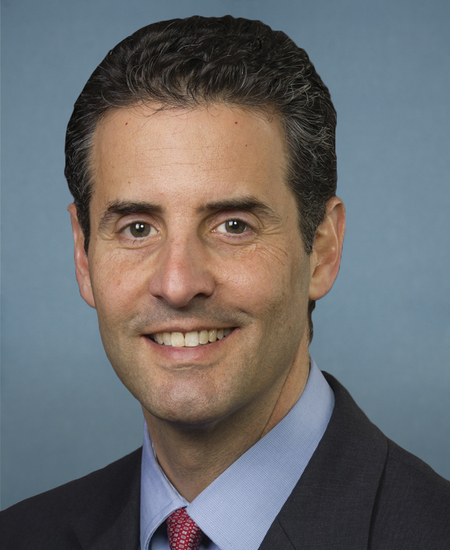
Rep. John P. Sarbanes
Sponsored bills
Maddy summaryThis bill adds spotted lanternfly control to the list of high-priority research initiatives funded by the USDA. It enables federal grants for developing and sharing practical tools to combat this invasive insect pest, directly affecting agricultural researchers and farmers in affected areas (like Pennsylvania, where the pest causes significant crop damage). The key provision modifies existing law to specifically include lanternfly research under funding programs, without changing current grant rules. The bill also extends the funding authorization period for such initiatives through 2028.
Maddy summaryThis bill establishes the Chesapeake National Recreation Area as a new unit of the National Park System to preserve and promote public access to the Chesapeake Bay watershed. It defines the Recreation Area's boundaries using a specific map, creates an Advisory Commission with 19 members representing Maryland, Virginia, tribal interests, and youth, and outlines how land acquisition and management will occur through donations, purchases, or partner agreements. The legislation requires coordination with existing programs like Chesapeake Gateways and the Bay Program, while emphasizing conservation of natural, recreational, historical, and cultural resources. It directly affects communities, conservation organizations, and local governments in the Chesapeake Bay watershed by creating a formal structure for managing and expanding public access to Bay resources. The bill sets requirements for cooperative agreements with partner sites and mandates a management plan to coordinate activities with neighboring communities and existing conservation efforts.
Maddy summaryHR 4963, the Tax Fairness for Workers Act, would restore tax deductions for certain employee expenses. It creates an above-the-line deduction for union dues and expenses paid by wage-earning employees, and allows miscellaneous itemized deductions for other work-related expenses (like uniforms or supplies) that were previously disallowed after 2017 tax law changes. These provisions directly affect employees who pay union dues or incur qualifying job-related costs. The bill amends specific sections of the Internal Revenue Code to make these deductions available for taxable years beginning after December 31, 2022. It does not change tax rates or provide new benefits, only reinstating previously eliminated deductions for eligible workers.
Maddy summaryThe Rebuild America's Schools Act of 2023 creates a $20 billion annual federal grant program to fund long-term improvements to public school facilities across the United States. It requires states to prioritize school districts serving high-poverty students (with high percentages of students eligible for free/reduced lunch) and those with deteriorating infrastructure, while mandating that recipient schools develop 10-year facilities master plans. The bill specifies that funds must be used for construction, renovation, and modernization projects that improve energy efficiency, address environmental health hazards (including lead, asbestos, and poor air quality), and ensure school safety, while requiring the use of American-made materials for construction projects.
Maddy summaryThe Preventing Election Subversion Act of 2023 restricts how statewide election officials can suspend or remove local election administrators who manage federal elections, requiring removals to be based only on "inefficiency, neglect of duty, or malfeasance in office." It allows local election administrators who believe they were improperly removed to sue in federal court and requires statewide election officials to report removals to the Department of Justice with detailed information. The bill also adds new voter protection requirements, mandating that challenges to voter eligibility be documented, supported by personal knowledge, and subject to penalty of perjury. It prohibits challenges to voter eligibility on or near election day unless the voter registered within 20 days of the election. These provisions aim to prevent political interference in election administration while ensuring fair and uniform federal election processes.
Nonrestrictive Offshore Wind Act or the NOW Act This bill repeals certain requirements that the Department of the Interior must meet before issuing a lease for offshore wind development. Under the Inflation Reduction Act of 2022, Interior may not issue a lease unless (1) an offshore oil and gas lease sale has been held in the year prior to issuing the lease, and (2) Interior offers a specified minimum acreage for offshore lease sales in the previous year. The bill repeals those requirements.
Maddy summaryHR 4893, the Scientific Integrity Act, requires federal agencies that fund, conduct, or oversee scientific research to adopt policies preventing political interference in science. The bill mandates these agencies to prohibit suppression or distortion of research findings, establish Scientific Integrity Officers to enforce policies, and implement training and reporting systems. It directly affects scientists and engineers employed by or contracted with covered agencies (like the EPA or NIH), ensuring their work remains free from political pressure. Key mechanisms include annual public reporting on misconduct complaints, whistleblower protections, and requiring scientific conclusions to be based on evidence, not ideology.
Maddy summaryHR 4889, the Raise the Wage Act of 2023, would gradually increase the federal minimum wage for most workers to $15.50 per hour by 2027, with specific annual targets: $9.50 starting in 2023, rising to $11.00 after one year, $12.50 after two years, and $15.50 after four years. It would also phase out the separate lower minimum wage for tipped employees (starting at $6.00/hour) by aligning their pay with the regular minimum wage by 2028, while requiring employers to let workers keep all tips. The bill includes similar phased increases for workers under 20 and transitions toward fairer wages for workers with disabilities under special certificates, which would sunset after 2028. Future annual increases after 2028 would tie the minimum wage to the median hourly wage of all workers.
Maddy summaryHR 4157, the "Not Just a Number Act," requires the Department of Veterans Affairs (VA) to produce annual reports on veteran suicide rates and their connection to VA healthcare and benefits. The reports must break down suicide rates by age, gender, and race, and examine how engagement with VA services (like Vet Centers, healthcare enrollment, benefits claims, and housing loans) correlates with suicide trends. The bill also mandates a VA toolkit for state/local coroners to improve veteran suicide death reporting, and a study on creating a dedicated VA suicide prevention office. These measures aim to standardize data collection and identify effective prevention strategies, directly affecting VA operations, congressional oversight, and veteran care systems.