

Maddy summaryThe Women's Health Protection Act of 2023 would protect access to abortion services by prohibiting states from imposing restrictions that are more burdensome than those for comparable medical procedures. The bill would ensure people can obtain abortion services before fetal viability without unnecessary limitations like mandatory waiting periods or biased counseling, and after viability when necessary to protect the patient's life or health. It would preempt state laws that conflict with these protections and allow for civil enforcement actions to challenge restrictive state laws. This bill directly affects people seeking abortion services (including transgender and nonbinary individuals who can become pregnant), health care providers, and states that have implemented abortion restrictions.
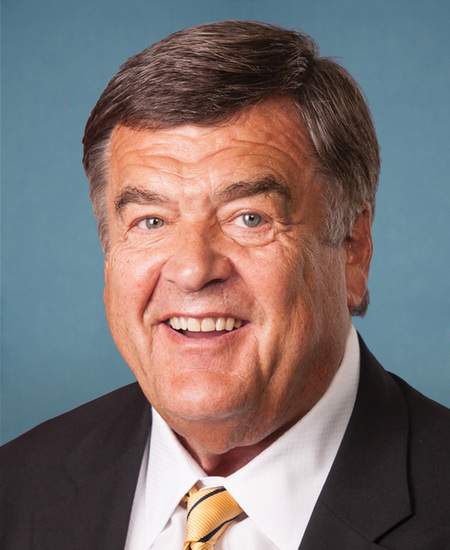
Rep. C. A. Dutch Ruppersberger
Sponsored bills
Maddy summaryHR 1509 reauthorizes annual federal funding for the Healthy Food Financing Initiative (HFFI), which helps establish grocery stores and healthy food access in underserved communities. The bill mandates increasing annual funding from $25 million in fiscal year 2024 up to $50 million per year starting in 2028. This funding supports projects like new supermarkets in "food desert" areas, directly benefiting residents in low-income neighborhoods with limited grocery options. The initiative provides grants and loans to developers, aiming to improve nutrition access without changing existing program rules.
Maddy summaryThe RISE Act (HR 2401) requires colleges to accept multiple types of documentation - such as past Individualized Education Programs (IEPs), Section 504 plans, or licensed professional evaluations - to verify a student’s disability for accommodations, rather than requiring current evaluations. It also mandates institutions to publicly share clear, accessible processes for determining accommodation eligibility and to report specific disability-related enrollment data (like total students with disabilities and accommodations used) to federal databases. The bill authorizes $10 million for a national support center to assist postsecondary students with disabilities. It applies directly to institutions of higher education and students formally registered with disability services offices, without altering existing ADA definitions or rights.
Maddy summaryHR 2403, the Enhanced Background Checks Act of 2023, modifies federal firearm background check procedures to address delays. It requires firearm licensees to wait at least 10 business days after a prospective buyer submits a petition verifying they are not prohibited from owning firearms before completing a sale, if the background check system hasn't cleared the transaction. The bill also mandates the Attorney General to create an electronic petition form, provide timely responses to petitions, and track delays. Additionally, it requires multiple reports analyzing implementation, transaction delays, denial reasons by state, and potential impacts on domestic violence victim safety, with the first report due within 150 days of enactment.
Maddy summaryThe International Human Rights Defense Act of 2023 creates a permanent Special Envoy at the State Department to coordinate U.S. efforts against discrimination and violence targeting LGBTQI+ people globally. The bill requires the development of an annual global strategy to address criminalization, discrimination, and violence based on sexual orientation, gender identity, or sex characteristics. It also mandates that U.S. country reports on human rights practices include detailed information about laws and practices affecting LGBTQI+ communities. The legislation authorizes U.S. foreign assistance programs to support LGBTQI+ rights through health services, legal protections, and community capacity building. This bill aims to strengthen U.S. diplomatic engagement on LGBTQI+ rights as part of broader human rights policy.
Maddy summaryHRES 262 is a non-binding House resolution supporting the integration of climate change education into K-12 school curricula across the U.S. It urges the Department of Education to collaborate with states and schools to develop science-based climate education standards, promote equitable access for all students, and address climate-induced mental health impacts on youth. The resolution encourages schools to adopt place-based, solution-oriented teaching methods and supports developing vocational programs for renewable energy careers. It does not mandate curriculum changes or allocate funding but calls for research on climate education's impact and collaboration with educators and scientists.
Investing in Our Communities Act This bill reinstates the exclusion from gross income for interest on certain bonds issued to advance the refunding of a prior bond issue. The exclusion was repealed for bonds issued after 2017.
Maddy summaryHR 1831 would award Billie Jean King a Congressional Gold Medal to honor her lifelong advocacy for equal rights in sports and society. The bill directs the Secretary of the Treasury to strike the medal and have it presented by congressional leaders, recognizing her pivotal role in advancing women's equality through tennis (including founding the Women’s Tennis Association and securing equal prize money) and her broader impact on society through initiatives like Title IX advocacy.
Maddy summaryThis bill changes how U.S. foreign aid is provided to international health organizations. It prevents U.S. agencies from denying aid to foreign non-governmental organizations (NGOs) solely because they offer health services (like counseling or referrals) using their own funds, as long as those services follow local laws. It also stops applying stricter rules about how foreign NGOs can use their own funds for advocacy compared to U.S. NGOs receiving similar aid. The bill directly affects foreign health-focused NGOs that rely on U.S. foreign assistance funding.
Maddy summaryHR 1814, the FIRE STATION Act, creates a federal grant program to help fire departments and emergency medical services (EMS) organizations upgrade or build facilities. It directly affects career, volunteer, and combination fire departments, as well as fire training facilities and nonaffiliated EMS organizations (non-hospital-based EMS groups). The program allocates $750 million for fiscal year 2024, with grants covering facility construction/renovation, safety upgrades (like HVAC or mold remediation), and requiring compliance with current safety codes. Grants are capped at $7.5 million per recipient, must follow Davis-Bacon wage standards, and require annual reporting on fund usage and program effectiveness.