

Maddy summaryThis bill extends the funding period for the Distance Learning and Telemedicine Program from 2023 to 2028. It directly affects rural communities by ensuring continued access to telehealth services and educational programs through this existing federal initiative. The key provision is a simple amendment to the program's authorization date in existing law, without creating new requirements or altering the program's scope. The change ensures uninterrupted support for rural healthcare and education providers relying on this funding.
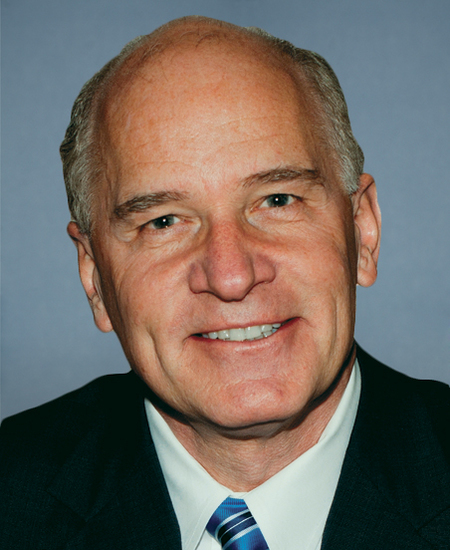
Rep. William R. Keating
Sponsored bills
Maddy summaryHR 5086, the COLAs Don’t Count Act of 2023, amends the Food and Nutrition Act to exclude certain cost-of-living adjustments (COLAs) from counting as income for Supplemental Nutrition Assistance Program (SNAP) eligibility. Specifically, it removes increases from Social Security (Title II), Supplemental Security Income (Title XVI), Railroad Retirement, and Veterans benefits (38 U.S.C. §5312) from SNAP income calculations when determining household eligibility. This change directly affects SNAP recipients whose benefits include these COLAs, potentially allowing more households to qualify for assistance. The amendment takes effect October 1, 2024.
Maddy summaryThis bill amends the Higher Education Act to require all U.S. colleges and universities receiving federal financial aid to create detailed anti-harassment policies covering physical, online, and institution-sponsored settings. It mandates policies prohibiting harassment based on race, sex (including sexual orientation and gender identity), disability, religion, and other protected characteristics, including harassment via institutional email, computers, or electronic messaging. The bill also establishes a $50 million annual grant program to fund colleges developing prevention programs, victim support services, and training for students and staff on recognizing and addressing harassment. These policies and grants must comply with existing civil rights laws like Title IX but add specific requirements for reporting and prevention.
Maddy summaryThe Better CARE for Animals Act of 2023 amends the Animal Welfare Act to strengthen enforcement of animal welfare standards. It gives the Attorney General authority to bring civil cases for violations, including seeking penalties up to $10,000 per day per violation and injunctions to remove or relocate animals. The bill also requires the Secretary of Agriculture and Attorney General to coordinate through a new Memorandum of Understanding, focusing on repeat violators. These changes directly affect dealers, exhibitors, and enforcement agencies by expanding civil enforcement tools and clarifying jurisdiction over rule violations.
Maddy summaryThis bill amends the Food and Nutrition Act to expand SNAP eligibility and simplify medical expense deductions. It raises the age limit for income exclusions from 17 to 21, directly helping young adults aged 18-21 who previously lost benefits at 17. The bill replaces "excess" medical deductions with a standardized amount based on Social Security Act premium rates, removing the previous requirement to prove elderly or disabled status for medical deductions. States may set higher standard deductions if they meet cost neutrality rules, but the baseline deduction is now fixed annually. These changes streamline eligibility and reduce administrative barriers for SNAP recipients.
Maddy summaryThe Tribal Access to Clean Water Act of 2023 provides dedicated federal funding to address water infrastructure gaps in Native communities. It allocates $100 million annually (2024-2028) through the USDA for technical assistance and water system construction, $20 million for Indian Health Service sanitation facilities, and $100 million for operation/maintenance of existing water systems. The bill specifically targets tribes and Native Hawaiian communities, requiring no matching funds and prioritizing the most urgent needs. This directly supports tribes in accessing existing infrastructure funding, developing self-sustaining water utilities, and maintaining facilities for public health and safety.
Maddy summaryThe John R. Lewis Voting Rights Advancement Act of 2023 would strengthen the Voting Rights Act of 1965 by updating the criteria for which states and localities must obtain federal preclearance before changing voting practices. It would establish new standards for proving vote dilution and vote denial by requiring courts to consider historical discrimination, racial polarization in voting, and whether voting practices disproportionately burden minority voters. The bill would also require states and localities to provide public notice of voting changes and share demographic data about polling locations. These changes would primarily affect jurisdictions with a history of voting rights violations, aiming to prevent discriminatory voting practices before they take effect.
Maddy summaryThe Humane Cosmetics Act of 2023 bans cosmetic animal testing in the United States, prohibiting companies from conducting or contracting such testing after its enactment (effective 1 year later). It also bans selling or transporting cosmetics developed using animal testing conducted after that date within U.S. interstate commerce. The law directly affects cosmetic manufacturers, retailers, and suppliers operating in the U.S. market, requiring them to use non-animal testing methods for safety evaluations. Exceptions exist for foreign regulatory requirements or when no alternative testing methods are available for specific ingredients.
Maddy summaryHR 5433, the Child Care Stabilization Act, provides $16 billion annually from 2024 to 2028 to stabilize the child care sector through grants administered by the Health and Human Services Secretary. It directly affects licensed child care providers by offering stable funding to cover operating costs, while supporting higher wages for early educators without raising family fees. Key provisions include expanding access to high-quality, affordable care - especially for infants/toddlers, rural communities, and children with disabilities - and addressing shortages in underserved areas. The funding builds on existing American Rescue Plan resources, aiming to strengthen the child care workforce and increase available options for working families.
Maddy summaryHR 3152, the "Fight CRIME Act," aims to maintain international restrictions on Iran's missile-related activities by requiring diplomatic efforts to extend these restrictions before they expire in October 2023. The bill mandates annual reports detailing U.S. diplomatic strategies, potential impacts of expiration, and measures to deter missile technology transfers to Iran. It establishes sanctions against foreign individuals or entities that knowingly support Iran's missile or drone programs, including asset freezes and visa restrictions. These sanctions apply regardless of whether UN restrictions remain in effect after their expiration, directly affecting foreign entities involved in these activities.