

Maddy summaryHR 6415, the CARE for First Responders Act, creates targeted mental health support for first responders, including law enforcement, firefighters, EMTs, and 911 operators (previously excluded from many services). It establishes a 24/7 confidential mental health hotline integrated with the 988 Suicide Lifeline, funds mobile crisis teams for disaster response, and mandates specialized training to reduce stigma and improve access to culturally competent care. The bill requires the development of peer support programs and education for responders and their families on mental health coping strategies. It authorizes $5 million annually (2024-2028) for grants to states and organizations to implement these services, specifically addressing the higher rates of mental health challenges and suicide among first responders compared to the general population.
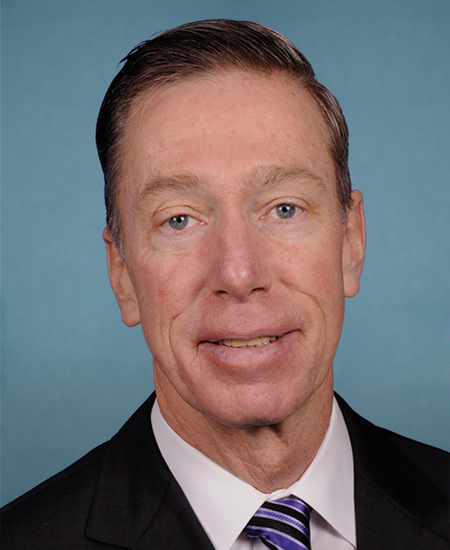
Rep. Stephen F. Lynch
Sponsored bills
Maddy summaryHRES 875 is a symbolic House resolution expressing support for National Adoption Day (November 18, 2023) and National Adoption Month (November). It does not create new laws or policies but formally encourages the public to consider adoption and recognizes the importance of permanent families for children in foster care. The resolution highlights that approximately 114,000 children in the U.S. foster system await adoption and emphasizes the goal of securing safety and permanency for all children. It urges Americans to support adoption efforts during November and throughout the year. This resolution has no direct legal effect on adoption processes or funding.
Maddy summaryHR 3601, the Student Veteran Work Study Modernization Act, expands eligibility for a Veterans Affairs work-study allowance to veterans enrolled at least half-time in rehabilitation, education, or training programs - lowering the previous requirement from three-quarter-time. The bill establishes a five-year pilot program to test this change, requiring the VA to apply the same allowance rules to these veterans as to other participants, except for the enrollment threshold. It also mandates annual reports to Congress tracking participation numbers, four-year degree completion rates, and full-time VA employment outcomes for participants. The policy directly affects veterans seeking education benefits while balancing academic and personal responsibilities.
Maddy summaryHR 6406, the "Last Servicemember Standing Medal Act," creates a new military service medal to honor specific service members. It authorizes the Secretary of Defense to award the medal to active-duty members who were the last surviving member of their unit after combat during a war or overseas operation, demonstrated extraordinary heroism in defense of the U.S., and received recommendations from their commanding officer and at least two peers. The medal is limited to one award per person, and if a recipient dies, the medal may be issued to their next-of-kin. The bill amends Title 10 of the U.S. Code to establish this recognition, with implementation to be expedited by Congress.
Maddy summaryThis bill closes loopholes that allow domestic violence abusers to keep or buy firearms while under restraining orders. It requires courts to issue "firearm surrender orders" when domestic violence restraining orders are issued, mandating that abusers surrender all firearms within 24 hours. The law expands the definition of "intimate partner" to include dating partners and requires law enforcement to remove firearms if abusers don't comply. It also creates a federal grant program to help states implement these policies, directly affecting domestic violence survivors and abusers subject to restraining orders.
Maddy summaryThis resolution designates the week beginning November 13, 2023, as "National Apprenticeship Week" through symbolic congressional support. It does not create new laws or programs but formally recognizes the value of registered apprenticeships in providing paid on-the-job training, industry credentials, and career pathways. The resolution highlights apprenticeships' role in developing skilled workers, supporting high-wage sectors like healthcare and green energy, and promoting diversity in training opportunities. It aims to increase public awareness of apprenticeships as an effective "earn-and-learn" model for workers and employers.
Maddy summaryThe TREES Act of 2023 establishes a federal grant program to fund tree planting projects that reduce residential energy use. It provides 90% federal funding (up to $50 million annually) for projects in neighborhoods with high energy burdens, low tree canopy, or vulnerable populations like seniors and low-income households. Eligible applicants - including state/local governments, tribes, nonprofits, and power companies - must demonstrate how planting specific tree species will cut cooling and heating costs through shade and wind protection. The program aims to plant at least 300,000 trees yearly, prioritizing projects that maximize energy savings for households spending a high percentage of income on energy bills.
Maddy summaryHCONRES 75 is a non-binding resolution expressing Congress's support for issuing a new commemorative postage stamp honoring the Buffalo Soldiers. It directly affects the U.S. Postal Service by urging the Citizens’ Stamp Advisory Committee to recommend such a stamp to the Postmaster General. The resolution highlights the historical significance of the Buffalo Soldiers - African American soldiers who served in all-Black regiments from 1866 to 1948 - and references a previous 1994 stamp that was discontinued. It does not create a new law but formally requests the Postal Service consider this commemoration.
This concurrent resolution recognizes the difficult challenges Black veterans faced when returning home after serving in the Armed Forces, their heroic military sacrifices, and their patriotism in fighting for equal rights and for the dignity of a people and a nation. The concurrent resolution also recognizes the need for the Department of Veterans Affairs to continue to work to eliminate any health and benefit disparities for minority veterans.
Maddy summaryThe Advanced Coursework Equity Act aims to increase access to advanced courses like AP, STEM programs, and Algebra I for students in under-resourced schools, particularly focusing on historically underrepresented groups including Black, Latino, Native American students, students with disabilities, English learners, and low-income students. The bill establishes a federal grant program requiring states and schools to implement either "open enrollment" (allowing any student to enroll in advanced courses without academic prerequisites) or "universal screening" (systematically screening all students for advanced courses based on objective measures) to improve equitable access. It mandates data collection and reporting on enrollment and performance by student subgroups (race, disability, socioeconomic status, etc.) and sets specific 3-year equity goals for each subgroup. The grant program provides funding to states and schools to support these changes, with requirements for staff training, advisory councils, and communication with families about advanced course opportunities.