

Clinical Trial Modernization Act This bill authorizes a grant program and provides certain exemptions to support the participation of individuals in clinical trials. Specifically, the bill authorizes a grant program to support outreach, education, and recruitment efforts for clinical trials that may benefit certain underrepresented populations or communities in need, such as rural or tribal areas. The bill also exempts from anti-kickback laws for federal health care programs (1) remuneration that is offered to cover participants' expenses to participate in clinical trials, (2) the provision of free digital health technologies to support participation of underrepresented populations in clinical trials, and (3) payment for participants' cost-sharing obligations in relation to clinical trials. Finally, the bill exempts up to $2,000 in remuneration that is received for participating in a clinical trial from income tax.
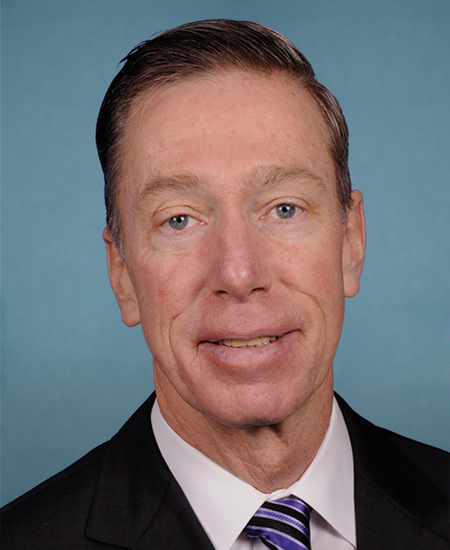
Rep. Stephen F. Lynch
Sponsored bills
Maddy summaryThis bill establishes a code of conduct for Supreme Court justices, requiring them to disclose gifts, income, and potential conflicts of interest. It creates a formal process for handling complaints about justices, including a judicial investigation panel to review allegations. The bill adds specific circumstances requiring recusal, such as when a justice or family member has financial ties to a party in a case. Additionally, it mandates that parties and amicus briefs disclose any gifts given to justices and lobbying activities related to their nomination. These provisions aim to increase transparency and accountability in the Supreme Court's operations.
Maddy summaryHR 3498, the Henrietta Lacks Congressional Gold Medal Act, authorizes a commemorative gold medal to honor Henrietta Lacks for her contribution to science through her immortal HeLa cells. The bill directs the Treasury Secretary to strike the medal, which will be presented posthumously by Congress and displayed at the Smithsonian Institution. It also permits the sale of bronze duplicates to cover costs, with proceeds going to the U.S. Mint fund. This is a ceremonial recognition of Lacks' legacy, not a policy change affecting any group or requiring new regulations.
Stronger Communities through Better Transit Act This bill requires the Department of Transportation (DOT) to establish a grant program to support operating projects for public transportation and related service improvements, particularly in underserved communities and areas of persistent poverty. Specifically, the bill requires DOT to allocate funding under the program for urbanized areas, states, and Indian tribes that are recipients of funds under either the Federal Transit Administration's (FTA's) Urbanized Area Formula Funding program or Formula Grants for Rural Areas program. Eligible recipients may use funding for operating costs associated with projects that improve public transportation service for transit-dependent populations and support increased transit ridership (e.g., service expansion, information technology enhancements, and workforce development). DOT must apportion the funding so that recipients receive funds that are proportional to their share of operating costs. The bill also provides for an increased federal cost share for operating assistance for projects or programs carried out in areas of persistent poverty or underserved communities. DOT must set up a multimodal access measurement interface for public agencies to aid transit agencies in determining and reporting on access to jobs and essential services. A grant recipient must (1) report specific information to the FTA for inclusion in the National Transit Database, and (2) survey transit riders and non-riding residents regarding transit service improvements. Further, the bill expands the purposes of the public transportation programs to include supporting public transportation's role in combating climate change through growing/retaining transit ridership.
Maddy summaryHRES 419 designates May 17, 2025, as "DIPG Awareness Day" to raise public awareness about diffuse intrinsic pontine glioma (DIPG), a fatal pediatric brain cancer with a median survival of 9 months and less than 1% 5-year survival rate. The resolution encourages public and private funding sources to prioritize research for DIPG and other pediatric cancers by considering mortality rates and life-years lost when allocating grants. It does not create new laws but symbolically urges greater attention to this unmet medical need.
Maddy summaryThis bill clarifies that the President has no constitutional authority to withhold funds Congress has appropriated. It creates new legal mechanisms allowing private citizens and state/local governments to sue the federal government for impoundments of appropriated funds. The bill strengthens the Comptroller General's oversight role by requiring executive branch cooperation in investigations of potential violations. Federal employees who knowingly violate these provisions would face personal liability and lose immunity protections. The legislation aims to reinforce Congress's constitutional authority over the budget process.
Maddy summaryHRES 410 is a non-binding House resolution requiring President Trump to comply with the Constitution’s Foreign Emoluments Clause regarding a $400 million Boeing 747-8 jet gift from Qatar’s royal family. It directs the President to immediately submit all plans for the aircraft to Congress and obtain explicit congressional consent before accepting it, as required by the Constitution. The resolution cites historical precedent where all prior presidents sought Congress’s approval for foreign gifts, including items like medals, horses, and the Statue of Liberty. It emphasizes that accepting the jet without consent would violate the Constitution and pose national security risks. The bill focuses solely on procedural compliance, not the merits of the gift itself.
Maddy summaryHR 3368, the "Born in the USA Act of 2025," prohibits federal funding for Executive Order 14160 (which aimed to restrict birthright citizenship for children born in the U.S.). The bill directly affects federal agencies that might implement the executive order by blocking their use of funds for that purpose. Its key provision is a funding ban targeting the executive order and any similar future policies, without changing citizenship law. The bill does not alter birthright citizenship rights but prevents federal resources from being used to enforce the controversial executive order. It is a procedural measure focused on funding, not a substantive policy change to citizenship rules.
Maddy summaryThis bill amends the Fair Labor Standards Act to prohibit children under 18 from having direct contact with tobacco plants or dried tobacco leaves on farms. It directly affects minors who might work on tobacco farms and tobacco farm employers who currently allow such employment. The key change adds tobacco farming to the list of occupations where children under 18 cannot work, closing a loophole that previously permitted this activity. This update explicitly excludes tobacco-related agriculture from exceptions allowing minors in certain farm jobs under federal law.
Maddy summaryHRES 403 is a non-binding resolution expressing the House of Representatives' support for public servants. It commends federal, state, local, and uniformed service employees for their contributions during Public Service Recognition Week (May 4-10, 2025) and throughout the year. The resolution highlights their roles in areas like national defense, emergency response, Social Security, public health, and infrastructure. It urges the House to salute their dedication, honor those who lost their lives in service, and encourage promoting public service careers. This resolution does not create new policies or funding - it is a symbolic gesture of recognition.