

National Security Diversity and Inclusion Workforce Act of 2021 This bill requires each national security agency to report on its diversity and inclusion efforts. The bill defines diversity as diversity of persons based on gender, race, ethnicity, disability status, veteran status, sexual orientation, gender identity, national origin, and other demographic categories. It also requires each such agency to develop a system to collect and analyze applicant employment data to identify areas for improvement in attracting diverse talent, with emphasis on senior and management positions; conduct periodic interviews with a representative cross-section of the national security workforce to obtain workplace information; sponsor workforce members to participate in a Senior Executive Service candidate development program or similar program; implement performance and advancement requirements for the workforce; create opportunities for senior personnel to participate in outreach events and to discuss issues relating to diversity and inclusion; and expand training on bias in the workplace and flexible work policies. The bill encourages agencies to expand professional development and career advancement opportunities that support their missions and to seek a diverse and talented pool of employment applicants by reaching out to educational organizations and professional associations.
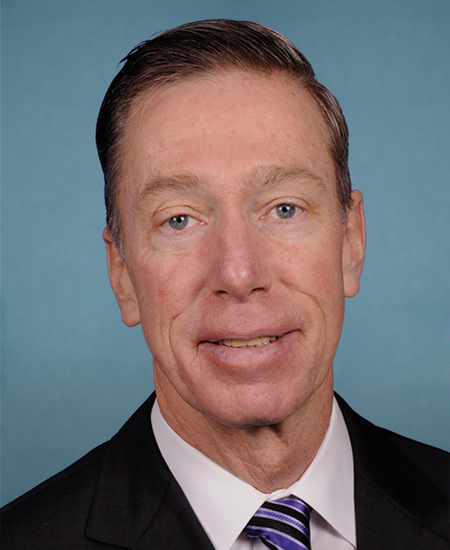
Rep. Stephen F. Lynch
Sponsored bills
Pharmacy and Medically Underserved Areas Enhancement Act This bill provides for Medicare coverage and payment with respect to certain pharmacist services that (1) are furnished by a pharmacist in a health-professional shortage area, and (2) would otherwise be covered under Medicare if furnished by a physician.
Hadiya Pendleton and Nyasia Pryear-Yard Gun Trafficking and Crime Prevention Act of 2021 This bill makes trafficking in firearms a stand-alone criminal offense. A person who commits or conspires to commit a gun trafficking offense is subject to criminal penalties—a prison term of up to 20 years (or up to 25 years, if the person also acted as an organizer), a fine, or both.
Black Maternal Health Momnibus Act of 2021 This bill directs multi-agency efforts to improve maternal health, particularly among racial and ethnic minority groups, veterans, and other vulnerable populations. It also addresses maternal health issues related to COVID-19 (i.e., coronavirus disease 2019). The Department of Health and Human Services (HHS) and other specified departments must address the social determinants of maternal health, which include child care, housing, food security, transportation, and environmental conditions. The bill also extends to 24 months postpartum eligibility for the Special Supplemental Nutrition Program for Woman, Infants, and Children. Additionally, HHS and other agencies must take actions to grow and diversify the maternal health workforce. To increase access to maternity care, HHS and other agencies must (1) award specified grants; (2) test an alternative payment model for perinatal care under Medicaid and the Children's Health Insurance Program (CHIP); and (3) support training, technology, and telehealth initiatives. The bill also increases research and data collection on maternal morbidity and mortality, particularly among tribal populations and minority groups. The Bureau of Prisons and the Department of Justice must establish programs to improve maternity care for incarcerated populations. The Medicaid and CHIP Payment and Access Commission must also report on the impact of Medicaid ineligibility for pregnant and postpartum prisoners. Additionally, as a condition for certain grants, states and territories must have laws limiting the use of restraints on pregnant individuals in prisons. The bill also directs activities to mitigate adverse maternal health outcomes associated with climate change and to improve maternal vaccination rates.
This concurrent resolution calls for renewed U.S. leadership in addressing the climate crisis that is disproportionately affecting the health, economic opportunity, and fundamental rights of children. It also recognizes the need for the departments and agencies of the executive branch with delegated authority over energy and climate policy to prepare a climate recovery plan that puts the United States on a trajectory consistent with reducing global atmospheric carbon dioxide to below 350 parts per million by the year 2100.
This resolution supports the recognition of Overdose Awareness Day, including by lowering U.S. flags at federal buildings to half-staff.
STEM Restoring Employment Skills through Targeted Assistance, Re-entry, and Training Act or the STEM RESTART Act This bill establishes a new national program to support mid-career workers in reentering the STEM (science, technology, engineering, and mathematics) workforce, including workers from underrepresented or rural populations, by awarding grants to certain small- and medium-sized businesses to assist such workers in reentering the workforce at positions above entry level.
Eliminate Barriers to Innovation Act of 2021 This bill requires the Securities and Exchange Commission and the Commodity Futures Trading Commission to jointly establish a working group on digital assets. The working group must (1) report on the impact of the U.S. legal and regulatory framework on the digital asset market; and (2) provide recommendations regarding digital asset market fairness and integrity, cybersecurity standards, and the reduction of fraud and manipulation.
Washington, D.C. Admission Act This bill provides for admission into the United States of the state of Washington, Douglass Commonwealth, composed of most of the territory of the District of Columbia. The commonwealth shall be admitted to the Union on an equal footing with the other states. The Mayor of the District of Columbia shall issue a proclamation for the first elections to Congress of two Senators and one Representative of the commonwealth. The bill applies current District laws to the commonwealth and continues pending judicial proceedings. The commonwealth (1) shall consist of all District territory, with specified exclusions for federal buildings and monuments, including the principal federal monuments, the White House, the Capitol Building, the U.S. Supreme Court Building, and the federal executive, legislative, and judicial office buildings located adjacent to the Mall and the Capitol Building; and (2) may not impose taxes on federal property except as Congress permits. District territory excluded from the commonwealth shall be known as the Capital and shall be the seat of the federal government. The bill maintains the federal government's authority over military lands and specified other property. The bill provides for expedited consideration of a joint resolution repealing the Twenty-third Amendment to the Constitution, which provides for the appointment of electors of the President and Vice President. The bill continues certain federal authorities and responsibilities, including regarding employee benefits, agencies, courts, and college tuition assistance, until the commonwealth certifies that it is prepared to take over the authorities and responsibilities. The bill establishes the Statehood Transition Commission to advise the President, Congress, and District and commonwealth leaders on the transition.
End Outsourcing Act This bill addresses the outsourcing (transfer) of jobs and companies from the United States to low-tax foreign jurisdictions. The bill (1) requires employers to include an outsourcing statement in worker adjustment and retraining notices; (2) denies employers a tax deduction for outsourcing expenses, including license fees and equipment installation costs; (3) allows a tax credit for similar insourcing expenses; (4) denies employers the use of certain favorable accounting methods and a deduction for interest paid on indebtedness; and (5) requires the recapture of certain tax credit amounts allowed to outsourcing employers. The bill authorizes federal contracting officers to take the outsourcing of jobs from the United States into account in awarding contracts and grants and extending loans and loan guarantees to corporations.