

Maddy summaryThis bill amends the Combat Duty Pay Act of 1952 to extend combat pay eligibility for Korean War veterans who were POWs or missing-in-action (MIA). It changes the payment period from "not more than three months" to "for each month" they were held captive or missing. The law specifically applies to living veterans who previously received combat pay under the old rules, requiring the Secretary of Defense to adjust the amount using inflation. This results in retroactive payments for the full duration of their captivity, not just a three-month limit.
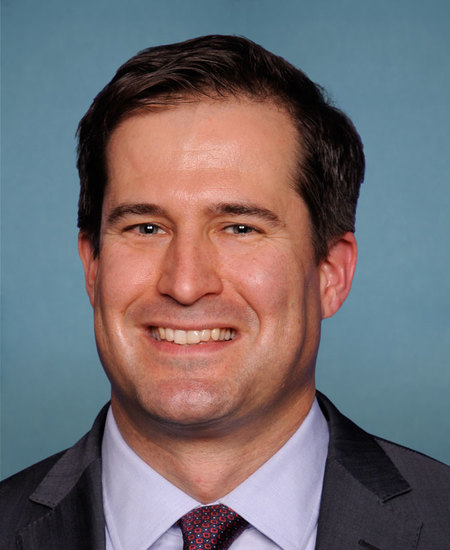
Rep. Seth Moulton
Sponsored bills
Maddy summaryThis bill requires military commanders to approve leave for active-duty service members and their dependents seeking abortion care without needing to disclose the specific procedure. It mandates reimbursement for travel costs to clinics providing abortion services when local access is unavailable and protects the privacy of those using this leave. The bill explicitly prohibits any negative consequences for service members who request or take such leave. It directly affects military personnel and their families by ensuring timely, private, and accessible abortion care without command interference.
Maddy summaryThis bill changes how the VA calculates benefits for veterans with health conditions linked to military sexual trauma. It requires the VA to start paying retroactive benefits from the day after a veteran's military discharge, rather than from the claim filing date. This directly affects veterans diagnosed with covered mental or physical health conditions resulting from military sexual trauma. The key provision amends VA law to mandate retroactive payments beginning at discharge, ensuring veterans receive compensation for the full period they were discharged until the claim is approved. It does not alter eligibility but changes the effective date for payment calculations.
Maddy summaryThe SHIP Act imposes sanctions on foreign entities that knowingly handle Iranian petroleum, targeting those involved in port operations, transportation, refining, or ship-to-ship transfers of Iranian oil. Starting 90 days after enactment, the President must block assets, deny visas, and impose penalties on individuals or companies engaging in these activities, including family members or owners of sanctioned entities. It requires annual reports tracking Iran's oil exports, revenues, and key players like shipping companies and ports. The sanctions terminate if the President certifies Iran has stopped supporting terrorism and dismantled weapons programs.
Maddy summaryHR 5976, the Youth Mental Health Research Act, establishes a new NIH research initiative led by the National Institute of Mental Health. The bill directs collaboration between three NIH institutes to coordinate research on youth mental health, focusing specifically on building community resilience for at-risk youth and improving how mental health services reach young people in schools, communities, and other settings where they live and work. It authorizes $100 million annually for fiscal years 2024 through 2028 to fund this research. The bill does not create direct services but aims to generate evidence to inform future mental health support strategies for young people.
Maddy summaryThis bill excludes veterans' disability and dependency payments from income calculations for HUD housing assistance programs. It directly affects veterans and their families receiving disability compensation under Title 38, U.S. Code, by ensuring these benefits don't reduce their eligibility or housing assistance amounts. Specifically, it prevents HUD from counting these payments when determining eligibility, benefit amounts, or rent calculations for assisted housing. The policy change applies solely to HUD-administered housing programs, not other federal benefits.
Maddy summaryThe Healthcare Workforce Resilience Act (HR 6205) reallocates unused employment-based immigrant visas from fiscal years 1992-2021 to directly support foreign nurses and physicians seeking permanent residency in the U.S. It creates 40,000 new visas - 25,000 for nurses and 15,000 for physicians - available only to those with petitions filed within three years of the bill’s enactment. The bill includes expedited processing without fees, exempts these visas from country limits, and requires employers to attest that hiring foreign workers won’t displace U.S. workers. This policy change specifically targets healthcare staffing shortages by streamlining pathways for qualified foreign healthcare professionals.
Maddy summaryHR 3816, the Veterans’ Entry to Apprenticeship Act, allows veterans using GI Bill benefits (under chapters 30, 32, 33, 34, or 35) to enroll in approved pre-apprenticeship programs and receive the same educational assistance and housing allowances as if they were in a registered apprenticeship program. The bill requires pre-apprenticeship programs to have sponsor certification (e.g., from a community college, employer, or government agency) confirming they prepare veterans for registered apprenticeships and meet industry skill standards. It treats these programs as equivalent to apprenticeships for benefit purposes, including charging entitlement at the same rate and providing housing allowances based on the location of the program. This directly affects veterans seeking career training through pre-apprenticeship pathways.
Maddy summaryHRES 831 is a symbolic congressional resolution supporting October as "National Domestic Violence Awareness Month." It does not create new laws or allocate funding, but formally expresses the House of Representatives' support for the goals of raising awareness about domestic violence. The resolution urges Congress to continue highlighting domestic violence's impact and backing programs that prevent and address it. It directly affects public awareness efforts and serves as a non-binding statement of congressional support for victims and advocacy organizations.
Maddy summaryHR 5983, the Clean Water Act of 2023, redefines "protected water resources" under federal law to explicitly include all interstate and intrastate waters (such as intermittent and ephemeral streams), wetlands, and their tributaries. This directly affects federal agencies like the EPA, states managing water quality, and developers or landowners needing permits for activities near these waters. The bill eliminates the Supreme Court’s narrow "navigable waters" definition from Sackett v. EPA (2023), restoring protections for tens of millions of acres of wetlands and millions of miles of small streams. Key mechanisms require the EPA to annually review and adjust exclusions from protections based on scientific evidence, ensuring water bodies critical to drinking water, flood control, and ecosystems remain safeguarded.