

Maddy summaryThe FAMILY Act (HR 3481) would establish a national paid family and medical leave insurance program administered by the Social Security Administration. Eligible workers would receive wage replacement benefits (up to 85% of average earnings, with a maximum of $4,000 monthly) for up to 60 caregiving days per 12-month benefit period for qualifying reasons like caring for a sick family member, personal serious health conditions, or responding to domestic violence. The program would be funded through 0.2% payroll taxes from employees and employers (with self-employed individuals paying 0.4%), with benefits coordinated with existing state programs. The law includes protections against employer retaliation for taking leave and requires employers to maintain health coverage during leave periods.
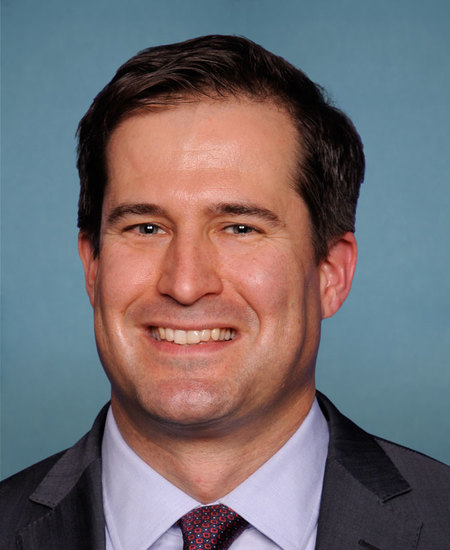
Rep. Seth Moulton
Sponsored bills
Maddy summary# Summary of Proposed Immigration Legislation This comprehensive immigration bill proposes sweeping reforms across multiple areas of U.S. immigration policy. The key provisions can be categorized as follows: ## Family Immigration Reforms - Expands eligibility for family-based visas - Creates new pathways for family reunification - Reforms the "child out" rule for H-4 visa holders who age out - Establishes new procedures for sponsors of unaccompanied children ## Employment-Based Immigration - Increases diversity visas from 55,000 to 80,000 - Creates new categories for doctoral STEM graduates - Eliminates per-country limits for employment-based visas - Addresses visa backlogs by creating new categories for beneficiaries with priority dates over 10 years old - Increases visa numbers for certain employment-based categories (e.g., 23.55% instead of 28.6% for certain categories) - Creates a Regional Economic Development Immigrant Visa Pilot Program (10,000 visas annually) ## Diversity and Integration Programs - Creates a United States Citizenship and Integration Foundation to promote citizenship preparation - Establishes pilot programs for immigrant integration at state and local levels - Creates English as a Gateway to Integration grant program ($100 million for 2024-2025) - Creates Workforce Development and Shared Prosperity grant program ($100 million for 2024-2025) - Requires in-state tuition rates for refugees, asylees, and certain special immigrants - Waives English requirements for seniors applying for naturalization ## Immigration Court Reforms - Increases immigration judge numbers by 55 annually through 2028 - Creates a right to counsel for vulnerable individuals (children, victims of abuse, etc.) - Establishes an Immigration Counsel Fund with a $25 surcharge on immigration fees - Requires all noncitizens to receive legal orientation programs - Modernizes court technology for improved efficiency - Creates procedures for ensuring court appearance compliance ## Refugee and Asylum Processing - Expands alternatives to detention for family units - Improves processing for asylum seekers - Creates programs to facilitate safe and efficient repatriation - Establishes reintegration support for repatriated individuals ## Naturalization and Citizenship - Creates citizenship pathways for U.S. high school graduates - Waives English requirements for seniors - Creates a National Citizenship Promotion Program - Establishes naturalization ceremonies at historic locations The bill aims to create a more efficient immigration system, address backlogs in immigration courts, promote immigrant integration, create clearer pathways to citizenship, and reform both family-based and employment-based immigration systems. It represents a comprehensive approach to modernizing U.S. immigration policy.
Maddy summaryThe Women in Criminal Justice Reform Act (HR 2954) aims to create gender-responsive policies across the criminal justice system for women. It requires law enforcement officers to receive gender-informed training on trauma, domestic violence, and the unique needs of women, and establishes pretrial diversion programs that focus on addressing trauma, substance use, and family needs rather than incarceration. The bill mandates improved healthcare for incarcerated women, including reproductive care, trauma-informed mental health services, and gender-specific prison conditions. It also expands access to programs for mothers and infants in prison and requires facilities to maintain family connections through visitation and community reentry programs. The legislation directly affects women in the criminal justice system, law enforcement officers, correctional staff, and prison healthcare providers.
Maddy summaryThis bill establishes a new workplace violence prevention standard for healthcare and social service workers. It requires employers in covered facilities - including hospitals, nursing homes, mental health clinics, and social service settings - to develop and implement comprehensive prevention plans with specific requirements. These plans must include risk assessments, hazard prevention measures, employee training on violence prevention, and procedures for reporting and investigating violent incidents. The bill also amends Medicare regulations to require compliance with these standards for hospitals and skilled nursing facilities receiving Medicare funds.
Maddy summaryThe PROTECT 340B Act of 2023 prohibits pharmacy benefit managers (PBMs), health insurance plans, and health insurance issuers from discriminating against healthcare providers participating in the 340B drug pricing program. It specifically bans these entities from paying less for 340B drugs than they would for similar drugs dispensed by non-340B providers, imposing special requirements on 340B providers, or requiring identification of 340B drugs in billing. The bill establishes civil penalties of up to $5,000 per violation per day for PBMs that violate these protections and requires the Health Resources and Services Administration to create implementing regulations. It directly affects safety-net hospitals, clinics, and health centers that serve low-income patients, particularly those in rural areas, by protecting their ability to use 340B drug discounts to provide affordable care.
Maddy summaryThis bill would require Medicare to cover FDA-approved blood tests that screen for multiple cancers simultaneously (like breast, lung, or colorectal cancer) for beneficiaries. It directly affects Medicare recipients aged 65+ who could access these new screenings once per year, without prior authorization. The key provision adds "multi-cancer early detection screening tests" to Medicare's covered services under Part B, defining them as blood tests analyzing cell-free DNA, while maintaining existing coverage for standard screenings like mammograms. The bill does not change current coverage for individual cancer screenings but ensures Medicare keeps pace with new medical technology.
Maddy summaryThe E-BIKE Act establishes a 30% tax credit for individuals purchasing qualified electric bicycles, with a maximum credit of $1,500 per bicycle (30% of the $5,000 cost limit). To qualify, bicycles must meet specific safety standards including speed limits (20 mph for classes 1-2, 28 mph for class 3), pedal assistance requirements, and safety certifications like UL 2849. The credit phases out for higher-income taxpayers, beginning at $150,000 modified adjusted gross income for single filers, $225,000 for heads of household, and $300,000 for joint filers. The bill also includes a provision allowing retailers to claim the credit directly when selling qualifying bicycles, reducing the upfront cost for consumers.
Maddy summaryThis bill increases Medicare reimbursement for clinical social workers from 75% to 85% of the payment rate for psychologists under Part B. It also removes an exclusion that previously prevented skilled nursing facilities from billing Medicare for social worker services provided to residents. The bill expands covered services to include specific mental health assessments and interventions identified by HCPCS codes (like 96156, 96158-96161, etc.) for Medicare beneficiaries. These changes take effect for services provided on or after January 1, 2024, directly affecting Medicare patients and clinical social workers.
Maddy summaryThis bill requires Medicare and Medicaid to cover prescription digital therapeutics - software-based treatments for medical conditions like diabetes or mental health disorders - starting January 1, 2024. It mandates Medicare to establish payment rates for manufacturers within one year and create specific billing codes within two years, with temporary codes used until permanent codes are set. Manufacturers must report annual data on pricing, usage, and discounts to Medicare, facing penalties of up to $10,000 per day for incomplete or false reports. The bill directly affects Medicare/Medicaid beneficiaries, digital therapeutic companies, and the healthcare billing system by integrating these treatments into federal coverage.
Maddy summaryThe Countering Economic Coercion Act of 2023 authorizes the President to provide economic support to U.S. allies and partners affected by economic coercion from foreign adversaries. Key provisions include reducing tariffs on goods from affected countries, expediting export licenses, and requesting foreign aid, all while requiring coordination with allied nations. The bill mandates presidential consultation with Congress before taking action and establishes a 45-day congressional review period for these measures. This legislation aims to strengthen international partnerships while creating new opportunities for U.S. businesses and workers.