

Maddy summaryThis bill requires health plans and insurers to create a clear, timely process for patients or doctors to request exceptions when step therapy protocols (which force patients to try cheaper drugs first) might harm them. It mandates approval for exceptions in six specific cases, such as when prior treatments failed, delaying care risks severe harm, or the required drug causes adverse reactions. Plans must respond within 72 hours (24 hours for emergencies) and cover the requested drug for at least one year if approved. Additionally, health plans must report annual data on exception requests, approvals, denials, and reasons to the government for transparency.
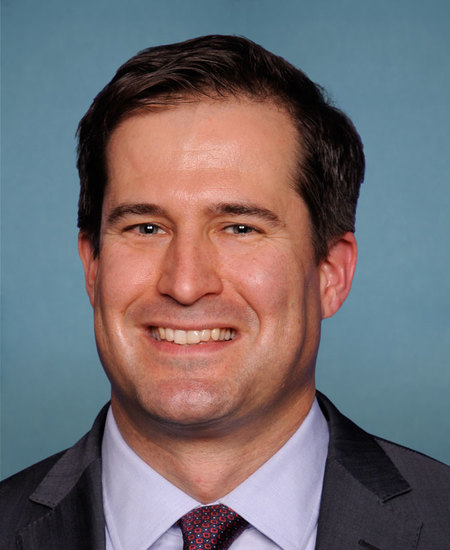
Rep. Seth Moulton
Sponsored bills
Maddy summaryThe HEADACHE Act establishes a National Headache Disorders Initiative (NHDI) under the Department of Health and Human Services to address conditions like migraines, cluster headaches, and other headache disorders affecting vulnerable groups including children, pregnant women, and older adults. It creates an Advisory Council with patient advocates, healthcare providers, and federal agency representatives to guide research, improve diagnosis protocols, and reduce disparities in care. The bill requires federal agencies to share headache-related data and mandates an annual congressional report evaluating progress, disparities across demographics, and recommendations for better access to treatment and stigma reduction, with the initiative set to expire after five years.
Maddy summaryHRES 746 is a non-binding resolution passed by the U.S. House of Representatives condemning all political violence - including attacks on elected officials, candidates, and public figures - and rejecting rhetoric that dehumanizes opponents. It specifically urges law enforcement to investigate and prosecute such violence, calls on public officials and media to avoid inflammatory language, and references recent incidents like the 2025 assassination of activist Charlie Kirk and targeted shootings of Minnesota legislators. The resolution does not create new laws but formally expresses the House’s commitment to protecting public servants and promoting peaceful political discourse. It directly affects the House’s public stance and serves as a call to action for officials, media, and communities to foster civil engagement.
Maddy summaryHRES 742 is a ceremonial resolution recognizing the 250th anniversary of the U.S. Navy's founding on October 13, 1775, when the Continental Congress established the first U.S. naval force. It formally acknowledges the Navy's historical role in protecting American interests and its current global presence (over 290 ships, 3,700 aircraft, and 500,000 personnel). The resolution expresses appreciation for Navy personnel past and present and reaffirms congressional support for the Navy as a key element of national defense and global stability. As a commemorative resolution, it has no policy or funding impact - it serves only to honor the Navy's legacy.
Maddy summaryThis bill requires most health insurance plans, Medicare Part D, Medicaid, and CHIP to cover vaccines recommended by the CDC's Advisory Committee on Immunization Practices (ACIP) without cost-sharing (like copays or deductibles). It applies to vaccines recommended as of October 25, 2024, including updates through 2029, and covers all such vaccines for the period starting when the bill is enacted until December 31, 2029. The requirement excludes vaccines given within minimum recommended intervals. It directly affects patients, insurers, and government health programs by ensuring no out-of-pocket costs for covered vaccines during this timeframe.
Maddy summaryThis bill allocates $5 million annually (2026-2030) to states for collecting de-identified stillbirth data through existing health systems, including risk factor analysis. It also provides $1 million yearly to develop standardized guidelines for healthcare providers and public educational materials about stillbirths, requiring consultation with medical professionals, bereavement organizations, and affected families. The bill mandates that all data collection complies with privacy laws and requires the Department of Health and Human Services to publish a public report on stillbirth guidelines within five years. It directly affects state health departments, healthcare providers, and families experiencing stillbirth by improving data quality and access to resources.
Maddy summaryHR 5462, the Michelle Alyssa Go Act, changes Medicaid rules to exclude small mental health facilities with 36 beds or fewer from the definition of "institution for mental diseases" if they meet specific national standards. This directly affects small mental health and substance use disorder treatment facilities (36 beds or less) that comply with evidence-based standards for services, care hours, staffing, and clinical programs. The bill modifies Medicaid funding eligibility by removing these small facilities from the restrictive "institution" category, allowing them to remain eligible for Medicaid coverage under state plans. The change takes effect 180 days after the law is enacted, applying to all state Medicaid plans starting then.
Maddy summaryThe Tyler Clementi Higher Education Anti-Harassment Act of 2025 requires U.S. colleges and universities participating in federal financial aid programs to create and distribute clear anti-harassment policies covering harassment based on race, color, national origin, sex (including sexual orientation and gender identity), disability, or religion. These policies must explicitly prohibit harassment in all settings - including online, on campus, off-campus housing, and during school-sponsored activities - and outline reporting procedures and support services for victims. The bill also establishes a $50 million annual grant program to fund schools developing prevention programs, victim support services, or staff/student training on recognizing and addressing harassment. Grants are competitive, require annual reporting on effectiveness, and must be used to improve existing efforts without replacing existing civil rights laws like Title IX.
Maddy summaryThis bill reauthorizes federal funding for diabetes programs targeting Type 1 diabetes. It extends annual funding of $160 million for fiscal years 2026 through 2030, continuing existing support for research, treatment, and prevention initiatives. The funds remain available until expended, directly supporting programs serving people with Type 1 diabetes and the organizations delivering these services. The bill makes no changes to program eligibility or structure, only extending current funding levels.
Maddy summaryHR 5476, the PARA Educators Act, provides federal grants to states to help recruit and retain school support staff (paraprofessionals) in public elementary, secondary, and preschool programs. It allocates funds based on previous Title I education funding, requiring states to prioritize schools serving high numbers of low-income students or those meeting specific poverty criteria. States can use the funds for proven programs like mentoring for paraprofessionals, professional development, helping staff earn credentials (e.g., special education or English learner certificates), and increasing wages or offering retention bonuses. The law mandates annual reporting on wage baselines, paraprofessional employment, and program outcomes. This bill directly affects paraprofessionals and the schools they support, particularly in high-poverty communities.