

Maddy summaryHR 590, the Ensuring Kids Have Access to Medically Necessary Dental Care Act, prohibits states from imposing lifetime or annual dollar limits on dental benefits for low-income children and pregnant women covered by the Children's Health Insurance Program (CHIP). It requires states to provide dental-only supplemental coverage for eligible children (rather than allowing states to opt out) and removes restrictions on coverage for pregnancy-related dental services. These changes apply to all states operating CHIP and cover targeted low-income children (and pregnant women in states that offer pregnancy-related assistance under CHIP). The bill takes effect six months after enactment to ensure continuous access to necessary dental care without coverage caps.
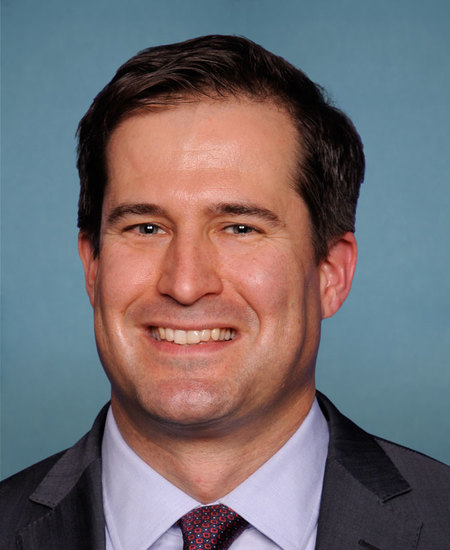
Rep. Seth Moulton
Sponsored bills
Maddy summaryThe HEAL Act (HR 603) requires the U.S. Holocaust Memorial Museum Director to study how public elementary and secondary schools teach about the Holocaust and related antisemitism. The study will examine curriculum requirements, teaching methods (like project-based learning), instructional materials, and assessment approaches across states and school districts. It specifically analyzes whether Holocaust education is mandatory, optional, or integrated across subjects, and how schools address antisemitism and genocide prevention. The resulting report, due within 180 days of the study or three years after enactment, will inform Congress but does not change current school policies. This is a data-gathering measure, not a policy mandate.
Maddy summaryThis bill requires all ammunition sales to occur in person with identity verification, banning online or mail-order purchases for unlicensed individuals. It adds new licensing requirements for ammunition dealers and modifies existing firearm laws to explicitly include ammunition in sales, shipping, and recordkeeping rules. Licensees must report bulk sales of over 1,000 rounds to unlicensed buyers within one business day. The law directly affects ammunition sellers (both licensed and unlicensed) and buyers, making online ammunition transactions impossible without in-person verification.
Identifying Mass Shooters Act This bill requires the National Institute of Justice (NIJ) to report to Congress on the content patterns used by mass shooters through online platforms and social media channels. Additionally, the bill directs the NIJ to solicit applications for research grants on any items for further study that are identified in the report. Finally, the bill requires the NIJ to submit findings and federal legislative recommendations to Congress.
This resolution commends the role of the U.S. government in improving access to quality, inclusive education, and improved learning outcomes for the poorest and most marginalized children and adolescents around the world. It calls on the Department of State and the U.S. Agency for International Development to use all diplomatic, humanitarian, and developmental means to promote access to such quality education.
This resolution condemns the Supreme Court's holding in Dobbs v. Jackson Women's Health Organization (that there is no constitutional right to abortion) and expresses a commitment to instituting judicial reform and supporting access to abortion and the communities affected by the Court's ruling. It also urges the executive branch to advance reproductive justice.
Maddy summaryHR 286, the Health Care Providers Safety Act of 2023, provides federal grants to healthcare providers to improve security at their facilities. The bill authorizes the Secretary to fund security services and physical/cyber security enhancements, including video surveillance, data privacy measures, and structural improvements. These grants directly help healthcare facilities, personnel, and patients by addressing safety concerns. The law specifies that funds must be used for necessary security costs to ensure safe access to healthcare services. It does not create new mandates but offers financial support for security upgrades.
Maddy summaryHR 396, the Closing the Bump Stock Loophole Act of 2023, defines "bump stock" as any device or modification that increases the firing rate of a semi-automatic weapon to mimic a machine gun. The bill amends federal tax and firearms laws to classify bump stocks as prohibited devices under the National Firearms Act, requiring existing owners to register them within one year of enactment. It directly affects individuals who currently own bump stocks by mandating registration to avoid future possession prohibitions. The law takes effect immediately for new sales but provides a one-year grace period for existing owners to comply with registration requirements.
Maddy summaryThis bill proposes a constitutional amendment to extend voting rights to U.S. citizens aged 16 or older in all federal elections, while repealing the 26th Amendment (which set the voting age at 18). It would directly affect 16- and 17-year-old citizens by granting them the right to vote in presidential, congressional, and other federal elections. The amendment requires Congress to pass laws enforcing this change, and it must be ratified by three-fourths of state legislatures within seven years to take effect. The proposal does not alter voting eligibility for state or local elections, which remain governed by existing laws.
This resolution condemns all acts of political violence, as well as attacks on health care facilities, health care personnel, and patients. The resolution also states that all people have the freedom to access reproductive health care services and medical advice without fear of violence, intimidation, or harassment. Finally, the resolution calls on the Biden Administration to use all appropriate authorities to uphold public safety, protect health care facilities, and safeguard health care personnel and patients.