

Maddy summaryHR 2723 (Local Farms and Food Act of 2023) reforms the Local Agriculture Market Program to support local food systems. It extends funding periods to 2024-2028, increases annual funding to $75 million for program grants and $30 million for partnerships, and creates simplified application processes for projects under $100,000. The bill defines "food hub" to include businesses aggregating and distributing local food products, and adds new project categories like farmers market staff support and food safety equipment. It directly affects small local farms, food hubs, and rural communities by improving access to grants and reducing administrative barriers for market development.
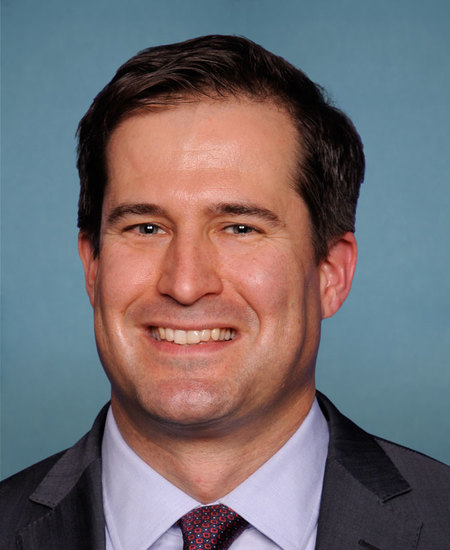
Rep. Seth Moulton
Sponsored bills
Maddy summaryHRES 372 is a non-binding House resolution expressing support for designating May 2023 as "Mental Health Awareness Month." It does not create new laws or allocate funds but formally urges the nation to recognize mental health as a priority. The resolution supports reducing stigma around mental illness, expanding access to mental health services, and emphasizing that mental well-being is as important as physical health. It highlights the need for greater awareness and resources, particularly for youth, veterans, and communities of color facing mental health disparities, but does not mandate any specific policy changes.
Maddy summaryHR 3255, the Freight Rail Workforce Health and Safety Act, requires major freight railroads (Class I carriers) to provide employees with at least 7 days of paid sick leave annually. This includes leave for personal illness, family care, preventive medical visits, and situations related to domestic violence, sexual assault, or stalking. Employees can carry over unused days to the next year, and railroads cannot require workers to find replacements before taking leave or penalize them for using it. The law prohibits retaliation, such as termination or demotion, for requesting or using sick leave, and ensures paid sick leave is separate from existing vacation or holiday time.
Maddy summaryThe PAST Act of 2023 amends the Horse Protection Act to ban specific devices used to cause pain (soring) in horses at shows, particularly affecting Tennessee Walking Horses, Racking Horses, and Spotted Saddle Horses. It defines prohibited "action devices" (like boots or chains causing friction) and requires licensed, conflict-free inspectors at events to enforce rules. The bill increases penalties for violations to up to $5,000 fines or 3 years in jail, and mandates longer disqualifications for repeat offenses (180 days → 1 year → 3 years). Horse show organizers, exhibitors, and participants must comply with these new inspection and penalty requirements.
Maddy summaryThe Firearm Safety Act of 2023 amends the Consumer Product Safety Act to remove firearms from an existing exclusion, reclassifying them as consumer products under federal law. This change would subject firearms to safety standards, testing, and oversight by the Consumer Product Safety Commission (CPSC), which currently does not regulate firearms under this framework. The bill specifically targets Section 3(a)(5) of the Consumer Product Safety Act, eliminating the exemption that previously kept firearms outside the definition of "consumer product." As a result, firearm manufacturers and sellers would now face CPSC requirements, such as safety testing, labeling, and reporting, similar to other consumer products.
This resolution marks the 60th anniversary of the Polaris Sales Agreement. (The agreement established basic policy and terms for the sale of Polaris missiles by the United States to the United Kingdom, and formed a basis of cooperation between the two countries on strategic nuclear defense and deterrence.) The resolution also commends the Royal Navy for maintaining a continuous at-sea deterrent and reaffirms the United Kingdom as a valued ally of the United States.
Maddy summaryThis bill, HR 3232 (Respect for Grieving Military Families Act), requires the military to automatically forgive overpayments of retired pay sent to a joint account after a service member’s death but before the end of the month of death. It directly affects military retirees’ families who have joint accounts with designated beneficiaries, preventing them from having to repay these accidental payments. The bill also adjusts Survivor Benefit Plan payments: if forgiveness doesn’t occur, the first 12 monthly annuity payments to the beneficiary will each be reduced by one-twelfth of the overpayment amount. This ensures grieving families aren’t burdened with repaying funds they weren’t meant to receive.
Maddy summaryHR 3233, the Diversify Act, amends the TEACH Grants program to increase funding and expand eligibility for future teachers. It doubles the annual grant amount from $4,000 to $8,000, raises the maximum service obligation from $16,000 to $32,000, and adds high-need early childhood education programs to eligible teaching settings. The bill also prohibits penalties for not completing service requirements and exempts these grants from automatic budget cuts (sequestration). These changes directly affect teacher candidates pursuing careers in underserved schools or early childhood education programs.
Maddy summaryHR 3145, the People Over Parking Act of 2023, eliminates local and state requirements for minimum parking spots at new or substantially rebuilt residential, retail, commercial, or industrial developments located within 0.5 miles of a "covered public transit point." This directly affects developers and local governments in areas meeting the transit access criteria defined by the bill (such as fixed-guideway transit or high-frequency bus routes intersecting at least two lines). The key mechanism is preempting conflicting state or local laws, giving property owners sole discretion over parking provision within the specified transit-accessible zones. The bill aims to reduce mandatory parking infrastructure, potentially encouraging transit use and denser development near transit hubs.
Maddy summaryThis resolution expresses the House of Representatives' support for designating June 10, 2023, as "Veterans Get Outside Day." It directly aims to benefit veterans, particularly those dealing with mental health challenges like PTSD, traumatic brain injury, depression, or anxiety, by promoting outdoor activities. The resolution encourages coordination between the Department of Veterans Affairs, the Forest Service, and the Department of the Interior to promote this day alongside existing programs like National Get Outdoors Day. It does not create new laws or funding but seeks to leverage the documented mental health benefits of nature exposure through federal agency collaboration.