

Maddy summaryThe Elizabeth Dole Home Care Act of 2023 increases the expenditure cap for home- and community-based care for veterans from 65% to 100% of costs, with exceptions for certain cases based on clinical need and geographic factors. It establishes new programs including Veteran-Directed Care, which allows veterans to select and manage their own in-home care services, and Home-Based Primary Care, which provides in-home health care overseen by VA providers. The bill requires improved coordination with existing programs like the Program of All-Inclusive Care for the Elderly (PACE) and mandates a centralized website with information about available services. It specifically targets veterans who would otherwise require nursing home care or face increased risk of hospitalization, and includes provisions to address home health aide shortages through pilot programs.
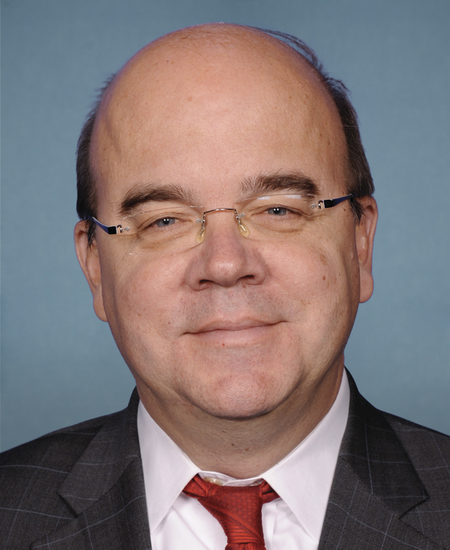
Rep. James P. McGovern
Sponsored bills
Maddy summaryHR 6381, the Veterans Visa and Protection Act of 2023, helps noncitizen veterans and service members who face deportation by creating a pathway to legal permanent residency in the U.S. It requires the government to reopen removal cases for eligible veterans, adjust their status to lawful permanent residents if they served honorably without certain serious criminal convictions (like crimes of violence), and prohibit deportation except for such crimes. The bill also ensures these individuals can access military and veterans benefits they lost due to removal proceedings and allows them to apply for naturalization through military service. It mandates that immigration officials identify service members/veterans early in proceedings and track their cases to prevent unjust removal.
Maddy summaryHRES 907 is a non-binding House resolution condemning rising antisemitism in the U.S., citing increased hate crimes (25% rise in 2022 per FBI data) and campus incidents (41% increase from 2021-2022 per ADL). It calls on all Americans, including campus leaders and government agencies, to combat antisemitism and urges implementation of the U.S. National Strategy to Counter Antisemitism. The resolution specifically requests increased funding for the Nonprofit Security Grant Program to strengthen safety protections for Jewish communities. It directly affects Jewish Americans, campus communities, and government agencies responsible for hate crime prevention and community safety.
Billionaire Minimum Income Tax Act This bill imposes a minimum tax on individual taxpayers whose net worth for the taxable year exceeds $100 million. The tax is equal to 25% of the sum of a taxpayer's taxable income, plus net unrealized gains for the taxable year. The tax may not exceed 40% of the amount by which the taxpayer's net worth exceeds $100 million.
Maddy summaryHRES 793 is a resolution passed by the U.S. House of Representatives calling on Hamas to immediately release all 199 hostages taken during Hamas' October 7, 2023 attack on Israel. The resolution condemns Hamas for the attack, the taking of hostages, and threats against hostages, while stating that holding hostages violates international humanitarian law under the Geneva Conventions. It demands the immediate release of all hostages and expresses sympathy for victims and their families. As a symbolic resolution, it does not create legal obligations but formally expresses the House's position.
Maddy summaryHR 6451, the Mental Health Justice Act of 2023, provides $250 million in federal grants to states, tribes, and localities to hire mental health professionals as first responders for specific emergencies. It directs these professionals to replace police in situations involving mental health crises, substance use, or intellectual/developmental disabilities - such as when a 911 caller describes a mental health emergency or a first responder identifies someone needing mental health support. The bill requires grantees to train responders in de-escalation techniques, link individuals to community-based services (not incarceration), and report on outcomes like reduced arrests or use of force. It also mandates data collection on demographics and prevents funneling people into institutional settings, with annual reports to Congress on program effectiveness.
Maddy summaryHRES 886 is a non-binding House resolution supporting Transgender Day of Remembrance (TDoR) by recognizing the epidemic of violence against transgender people and memorializing those lost in the year ending September 30, 2023. It specifically acknowledges the disproportionate impact of violence on transgender women of color, citing 33 documented deaths in the U.S. during that period (with estimates suggesting the actual number is higher due to underreporting). The resolution calls for Congress to prioritize studying and preventing such violence while affirming that all transgender people deserve dignity and respect. As a symbolic resolution, it does not create new laws or allocate funding but serves to raise awareness and honor victims.
Maddy summaryHR 6397, the STAR Act, is a procedural bill that makes minor technical changes to existing transportation law. It rearranges the numbering of sections in Title 49 of the U.S. Code related to transit art programs, specifically modifying Section 5323(h) and Section 5309. The bill does not create new policies or affect any people, organizations, or funding. It only updates the legal structure of current provisions without changing any substantive requirements for transit art. As a technical amendment, it has no direct impact on transit agencies, artists, or the public.
Maddy summaryThis symbolic resolution (HRES 879) expresses the U.S. House of Representatives' support for designating November 20-December 20, 2023, as "National Survivors of Homicide Victims Awareness Month." It aims to raise public awareness about the needs of individuals who have lost loved ones to homicide, particularly highlighting impacts on Black and Latinx communities and survivors of intimate partner violence. The resolution calls for supporting survivors through services, research, and community-based responses, while encouraging the public to promote healing and address gun violence. It does not create new laws or allocate funding, but serves as a formal recognition of survivors' experiences.
Maddy summaryThe Climate Displaced Persons Act establishes a new admission pathway for individuals displaced by climate-related environmental disasters, defining "climate-displaced persons" as those compelled to leave their homes due to climate events like floods, droughts, or sea level rise who cannot safely return or integrate locally. The bill sets a minimum annual admission goal of 100,000 climate-displaced persons to the United States beginning in fiscal year 2024, requires the government to collect and analyze data on climate displacement, and mandates the creation of a Global Climate Change Resilience Strategy to address climate impacts on vulnerable populations. It also requires training for U.S. diplomats and immigration officers on climate displacement and establishes procedures for applications, including exemptions for unaccompanied children and cases of changed circumstances. The legislation aims to provide a structured humanitarian response to climate-driven displacement while acknowledging the U.S. historical responsibility for climate change.