

Maddy summaryThis bill establishes the Connecticut River Watershed Partnership program (Section 3) to coordinate restoration and protection efforts across the 5-state watershed (Connecticut, Maine, Massachusetts, New Hampshire, Vermont). It creates a competitive grant program (Section 4) providing up to 90% federal funding for eligible entities - including states, tribes, nonprofits, and local groups - to carry out projects that improve water quality, restore habitats, and support environmental justice communities. The program requires the Secretary of the Interior to collaborate with Tribal governments, state agencies, and conservation organizations to develop a unified strategy. It mandates annual reporting to Congress and prioritizes projects advancing nature-based solutions, public access, and equitable outcomes in communities facing environmental health risks.
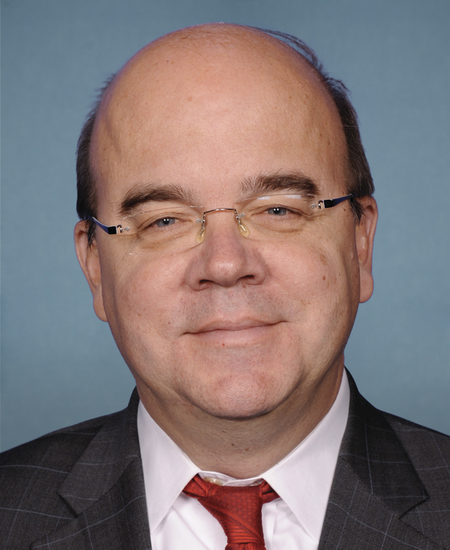
Rep. James P. McGovern
Sponsored bills
Maddy summaryThis bill amends the Exceptional Family Member Program (EFMP) to protect transgender dependents of military members. It prohibits assigning service members to locations where local laws restrict medically necessary treatment for transgender dependents, including gender dysphoria, and allows members to request reassignment within 30 days of such a law taking effect. The bill explicitly adds "gender dysphoria" to the list of conditions qualifying as a "medical special need" under the EFMP. This directly affects transgender dependents (spouses or children) and their military-affiliated service members, ensuring access to required care without forced relocation to restrictive jurisdictions.
Protecting Sensitive Locations Act This bill prohibits immigration enforcement actions within 1,000 feet of a sensitive location except in exigent circumstances. Sensitive locations include health care facilities; schools and school bus stops; places that provide assistance for people such as children, pregnant women, and abuse victims; places that provide disaster or emergency services; places of worship; courthouses and lawyers’ offices; facilities used as polling places; certain labor union facilities; and public assistance offices. The prohibition shall apply to Department of Homeland Security officers and agents, as well as state employees pursuing immigration enforcement actions. If an enforcement action is carried out in violation of this prohibition, (1) no information resulting from the action may be entered into the record in a resulting removal proceeding, and (2) the affected individual may move to immediately terminate such a proceeding. U.S. Immigration and Customs Enforcement and U.S. Customs and Border Protection shall annually report to Congress about enforcement actions taken at sensitive locations in the preceding year.
Maddy summaryHR 4249, the VET PFAS Act, provides healthcare benefits to veterans and their families exposed to PFAS chemicals at military bases. Veterans who served at contaminated bases (including through water sources) and developed specific conditions like testicular cancer, ulcerative colitis, or pregnancy-induced hypertension become eligible for VA healthcare without needing medical proof of cause. Family members who lived at these bases or were in utero during such residence also qualify for covered conditions. The bill creates a "presumption of service connection" for these illnesses, meaning the VA assumes PFAS exposure caused the condition. It requires annual VA reports tracking beneficiaries, denials, and conditions treated.
Maddy summaryHR 5155 creates a new temporary visitor visa category specifically for family visits to the U.S. It directly affects U.S. citizens and lawful permanent residents wanting to host relatives for short stays, and their eligible relatives (including parents, children, siblings, and extended family). The bill requires visitors to have a financial sponsor, short-term medical insurance covering U.S. expenses, and proof of intent to leave within 90 days per year - reducing the previous 180-day limit. It explicitly states this visa does not count as immigrant status, and applicants who previously overstayed a similar visa face additional restrictions unless extraordinary circumstances apply.
Maddy summaryHJRES 84 designates August 20 as "Slavery Remembrance Day" to commemorate the arrival of the first enslaved Africans in what is now Virginia on August 20, 1619. The resolution urges the President to issue an annual proclamation encouraging Americans to observe the day with ceremonies and activities reflecting on slavery's history. It specifically honors 21 Black Congress members from the Reconstruction Era as honorary cosponsors and calls for acknowledging the enduring impacts of slavery. As a symbolic resolution, it does not create new laws or directly affect any group beyond establishing an annual observance.
This resolution expresses that the International Atomic Energy Agency plays an indispensable role in strengthening nuclear security and safety around the globe. The resolution also reaffirms that the United States has a vital interest in preventing the spread of nuclear weapons and securing nuclear materials.
Maddy summary# Summary of the "Protecting Our Democracy Act" This comprehensive legislation aims to strengthen democratic processes, increase government transparency, and prevent foreign interference in elections. Key provisions include: ## Ethics and Transparency - **Ethics Pledge**: Requires all appointees to sign an ethics pledge committing to: - Ban on gifts from registered lobbyists - 2-year revolving door ban (prohibiting participation in matters related to former employers) - Golden parachute ban (no special payments from former employers) - Commitment to decision-making based on public interest - **Tax Transparency**: Requires presidential and vice presidential candidates to disclose 10 years of tax returns, with sitting presidents submitting returns within 30 days of enactment ## Campaign Finance and Foreign Interference - **Foreign Contact Reporting**: Requires political committees to report any contact with "covered foreign nationals" within 1 week - **Enhanced Penalties**: Criminal penalties of up to $1 million and 5 years in prison for violations - **Online Advertising Rules** ("Honest Ads Act"): - Requires clear disclosure of who paid for political ads online - Mandates machine-readable public databases of political ads - Requires visible sponsor identification that remains when ads are shared - Defines "qualified political advertisements" to include various online formats ## Preventing Patronage Systems - Limits exceptions to competitive service for federal positions - Restricts transferring positions between competitive and excepted service - Requires employee consent for position transfers ## Use of Federal Property - Prohibits holding national political conventions on federal property - Requires publicly available visitor records at White House and other official locations (with privacy exceptions) The legislation establishes detailed definitions, reporting requirements, and enforcement mechanisms across multiple agencies, with the goal of increasing transparency, preventing foreign interference, and ensuring ethical conduct in government service.
Maddy summaryHR 5010, the "Recognizing Gun Violence as a Public Health Emergency Act," requires the Secretary of Health and Human Services and CDC to produce annual reports on gun violence impacts. These reports must include detailed data broken down by age, race, location, and incident type (like homicide, suicide, or unintentional shootings), as well as information on community prevention programs and research funding. The bill directly affects federal agencies (HHS and CDC) by mandating this data collection, and indirectly affects communities by creating a standardized public health data source on gun violence. It does not change existing laws or fund new programs but aims to inform future prevention efforts through comprehensive reporting. The reports must supplement, not replace, existing federal health research.
Maddy summaryHR 4901, the Reproductive Health Care Accessibility Act, aims to improve reproductive health care access for people with disabilities by addressing systemic barriers they face. The bill funds training for health care professionals on providing culturally competent care, creates initiatives to increase the number of health care providers with disabilities in reproductive health fields, and establishes a National Technical Assistance Center to help providers improve services. It allocates $10 million annually for these programs from fiscal years 2024 through 2028, with additional funding for a research study on effective reproductive health care approaches. The bill directly affects people with disabilities seeking reproductive health services, health care providers, and educational institutions training health care professionals.