

Maddy summaryHR 9921 amends the Delta Development Act to designate Terrebonne Parish, Louisiana, as an official Delta Regional Authority area. This change directly affects residents and local officials in Terrebonne Parish by expanding their eligibility for federal economic development programs and funding under the Delta Regional Authority. The bill achieves this by adding "Terrebonne" to the list of designated parishes in the law, following "Webster" in the existing text. This is a procedural update to geographic eligibility, not a new policy.
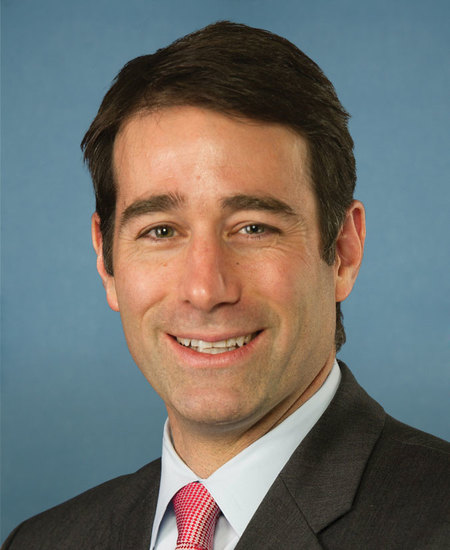
Rep. Garret Graves
Sponsored bills
Maddy summaryHRES 1496 is a resolution supporting the designation of October 23, 2024, as "National Marine Sanctuary Day." It aims to raise public awareness about the National Marine Sanctuary System, which protects ocean, coastal, and Great Lakes areas. The resolution encourages community engagement with these protected sites and acknowledges their role in conserving biodiversity, supporting local economies, and providing recreational opportunities. As a non-binding resolution, it does not create new laws but formally recognizes the importance of marine sanctuaries.
Maddy summaryHJRES 136 is a resolution seeking to block an Environmental Protection Agency (EPA) rule that would have set new emissions standards for light and medium-duty vehicles sold in 2027 and later model years. The EPA rule, published in April 2024, aimed to require vehicle manufacturers to meet stricter pollution limits for these vehicles. If passed, this resolution would cancel the rule, preventing the EPA from enforcing the new standards. It uses a congressional process that allows Congress to reject agency rules with a simple majority vote.
Maddy summaryHRES 1489 is a symbolic House resolution designating the week of September 23-27, 2024, as "National Clean Energy Week." It expresses congressional support for recognizing clean energy's role in economic growth (citing 8.35 million jobs in the sector) and encourages voluntary actions like public awareness, investment in clean energy technologies, and supporting local clean energy jobs. The resolution does not create new laws, funding, or obligations - it only formally endorses the week-long observance to highlight clean energy’s economic and environmental benefits. It directly affects no specific group but aims to raise national awareness of the clean energy sector.
Maddy summaryThe Counter-UAS Authority Security, Safety, and Reauthorization Act establishes a framework for federal agencies to detect, identify, and mitigate unauthorized drones that threaten aviation safety. It creates a process for approving counter-UAS systems that meet safety requirements, requires coordination between the FAA, Department of Homeland Security, and Department of Justice, and mandates annual reporting on all counter-UAS activities. The bill directly affects covered entities like airports and large public gatherings, requiring them to work with law enforcement to deploy approved counter-UAS systems. It includes privacy protections for communications intercepted during counter-UAS operations and expires on October 1, 2028.
Maddy summaryThe Royalty Resiliency Act (HR 7377) requires the federal government to make decisions on how oil and gas royalties are allocated among shared production leases within 120 days of a request. Until a decision is issued, companies must pay royalties based on their proposed allocation, and the government will waive interest on underpayments if payments are made on time. This applies to most federal oil and gas leases but excludes agreements involving tribal lands. The law aims to reduce delays and financial uncertainty for oil and gas companies operating on federal land.
Maddy summaryThe Federal Lands Amplified Security for the Homeland (FLASH) Act authorizes the construction of navigable roads on Federal lands along the southern border to improve U.S. Customs and Border Protection access, while establishing policies to reduce trash accumulation and address environmental damage from unauthorized border crossings. The bill requires agencies to develop protocols for mitigating wildfire risks through vegetation management, prohibits Federal funds from being used to provide housing for unauthorized immigrants on Federal lands, and includes provisions to address illegal cannabis cultivation and pesticide use. It mandates annual reports on waste collection and environmental impacts, and authorizes $16 million annually for initiatives to address contamination from trespass cannabis cultivation on covered Federal lands. The legislation directly affects land management operations on approximately 50 million acres of Federal lands administered by the National Park Service, Bureau of Land Management, Fish and Wildlife Service, and Forest Service along the southern border.
Maddy summaryThis bill (HJRES 163) is a congressional disapproval resolution targeting an Environmental Protection Agency (EPA) rule finalized on May 9, 2024. The EPA rule established new emissions standards for greenhouse gases from fossil fuel power plants (both new and existing) and repealed a previous rule called the Affordable Clean Energy Rule. The resolution would block this EPA rule from taking effect by invoking the Congressional Review Act (Chapter 8 of Title 5, U.S. Code). If passed, it would prevent the EPA rule from being enforced, directly affecting fossil fuel power plant operators and the EPA’s regulatory authority over emissions.
Maddy summaryHJRES 133 is a congressional resolution seeking to block an Environmental Protection Agency (EPA) rule titled "Greenhouse Gas Emissions Standards for Heavy-Duty Vehicles-Phase 3." This rule, published in the Federal Register on April 22, 2024, established new emissions requirements for large trucks and commercial vehicles. The resolution, if passed, would prevent the EPA rule from taking effect by formally disapproving it under standard congressional review procedures. The measure directly affects the EPA’s regulatory authority and vehicle manufacturers who would have been required to comply with the proposed standards.
Maddy summaryHR 1605 establishes a new federal program to assist states and Indian Tribes with unmet recovery needs after major disasters declared under the Stafford Act. It requires the President to coordinate with agencies like the Small Business Administration to collect and publicly release detailed data on disaster impacts, spending, and recovery gaps within 90 days. Funds are allocated based on verified unmet needs (not just damage), with states using up to 13% for administrative costs and mandated debris removal. Unused funds after 6 years (extendable by 4 years) are transferred to a reserve fund for future recovery capacity building.