

Maddy summaryThis bill bans federal funding for abortions in most cases, prohibiting the use of taxpayer money for abortion services or health insurance plans covering abortion. Exceptions allow funding for abortions resulting from rape, incest, or when a pregnancy endangers a woman's life. It requires health insurance plans sold through the Affordable Care Act (ACA) marketplaces to clearly disclose any separate costs for abortion coverage and prohibits ACA subsidies from being used for plans that cover abortion (except in the specified exceptions). The law directly affects federal programs like Medicaid, ACA marketplace plans, and insurers offering health coverage to individuals using federal subsidies.
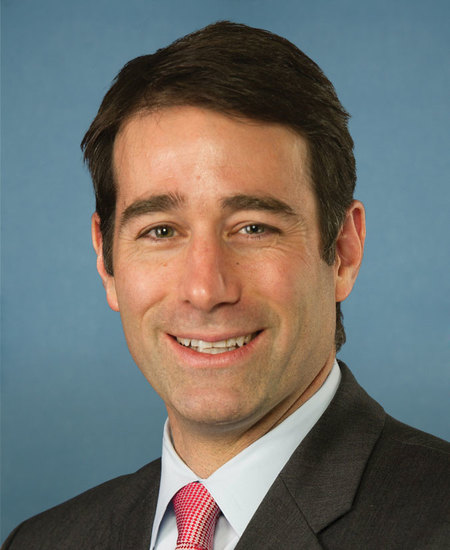
Rep. Garret Graves
Sponsored bills
Maddy summaryThis bill removes geographic restrictions that previously limited Medicare telehealth access to rural areas and expands where patients can receive these services. It directly affects Medicare beneficiaries and healthcare providers by allowing telehealth visits to occur from any location (not just rural zones) and enabling more types of facilities (like clinics or pharmacies) to serve as "originating sites." The key change amends the Social Security Act to replace temporary language about a 151-day period with permanent language, making these expanded telehealth access rules permanent. This simplifies access for patients seeking remote care without requiring providers to navigate temporary policy limits.
Maddy summaryThe Good Samaritan Remediation of Abandoned Hardrock Mines Act of 2024 establishes a limited pilot program allowing non-responsible parties (called "Good Samaritans") to remediate pollution at abandoned hardrock mine sites. The bill creates a permit process requiring applicants to demonstrate they're not liable for the pollution, can safely complete the remediation, and will protect the environment. The Environmental Protection Agency would issue up to 15 permits for these projects, providing liability protection for permitted activities while requiring public notice and environmental review. The pilot program would expire after 7 years, with the EPA required to report on its effectiveness to Congress.
Maddy summaryHR 7438 directs the U.S. Treasury to mint commemorative coins for the 2026 FIFA World Cup, including 100,000 $5 gold coins, 500,000 $1 silver coins, and 750,000 half-dollar coins. The coins will be sold to the public at face value plus surcharges ($35, $10, and $5 per coin, respectively), with all surcharge revenue paid to FWC2026 US, Inc. for U.S. soccer programs. These funds must support soccer initiatives, particularly in underserved communities and youth development, as specified in the bill. The coins are legal tender but will only be issued during 2026, with no net cost to the U.S. government.
Maddy summaryHR 8704 establishes a $10 million grant program administered by the National Fish and Wildlife Foundation to reduce harmful interactions between ocean users (like fishermen, tourism operators, and shipping companies) and North Atlantic right whales and other large cetaceans. The program funds research on avoidance technologies, awareness campaigns about existing whale protections, and infrastructure to share management information. Eligible recipients include states, nonprofits, businesses in maritime sectors, and tribal governments, with priority given to projects that reduce whale harm, involve collaboration among ocean users, and support U.S. small businesses. The bill also freezes existing vessel strike reduction rules until 2030 and requires biennial reports on grant effectiveness.
Maddy summaryThe FEMA Loan Interest Payment Relief Act requires FEMA to reimburse local governments and electric cooperatives for interest paid on qualifying disaster recovery loans. A qualifying loan must be used for FEMA-covered activities with at least 90% of proceeds dedicated to those purposes. Reimbursement covers the lesser of actual interest paid or what would have been paid at the prime interest rate, as defined by the Federal Reserve. This relief applies to interest accrued in the seven years preceding the bill's enactment.
Maddy summaryHRES 1611 is a procedural resolution directing the printing of a revised edition of the House of Representatives' Rules and Manual for the 119th Congress. It specifies that 3,000 copies be printed and bound, including 980 leather-bound copies with thumb indexes for the Parliamentarian's use. This bill affects House staff and members by providing updated procedural guidance for the new Congress. It involves no policy changes, only administrative printing of an internal reference document.
Maddy summaryThis bill allows pilots to present digital copies of their airman certificates (including medical certificates) to FAA inspectors, in addition to physical copies. It directly affects pilots who hold FAA-issued certificates by updating certification requirements to accept digital formats stored on devices or cloud platforms. The key mechanism updates FAA regulations to explicitly recognize digital certificates as valid, removing the previous requirement for physical originals. The changes take effect one year after the bill's enactment, requiring the FAA to adjust its part 61 regulations accordingly. The bill focuses solely on administrative accessibility, not on changing pilot training or safety standards.
Maddy summaryThe Natural Disaster Recovery Program Act of 2024 establishes a "Natural Disaster Recovery Reserve Fund" to address unmet needs after major disasters. It requires the President to assess unmet recovery needs within 90 days of a disaster declaration and sets aside 10% of disaster relief funds specifically for unmet needs assistance. States and tribal governments can use these funds for home repair, infrastructure restoration, economic recovery, and administrative costs (up to 13% of funds). The bill also creates new reporting requirements for how funds are used and includes provisions for technical assistance and capacity building. It applies to funds appropriated on or after the date of enactment.
Maddy summaryThis bill allows states and tribal governments to opt for a lump sum payment instead of standard FEMA disaster aid for small disasters. Specifically, governors or tribal leaders can request 80% of the estimated damages (capped at $10 million) for disasters eligible under FEMA's Public Assistance Program, bypassing the usual reimbursement process. Funds must be used for recovery by the state or tribe, with no adjustment for actual costs later. States cannot also claim additional aid for the same disaster, and they must report expenses to FEMA. It directly affects state and tribal governments handling small-scale disasters under $10 million in eligible damages.