

Maddy summaryThis bill reauthorizes the United States Commission on International Religious Freedom (USCIRF) through fiscal year 2026. It extends the commission's funding authorization from 2023-2024 to 2025-2026 and delays the expiration date of its statutory authorization from September 30, 2024, to September 30, 2026. The bill directly affects USCIRF by ensuring its continued operation and funding without altering its existing mandate or reporting requirements. It is a procedural extension, not a policy change.
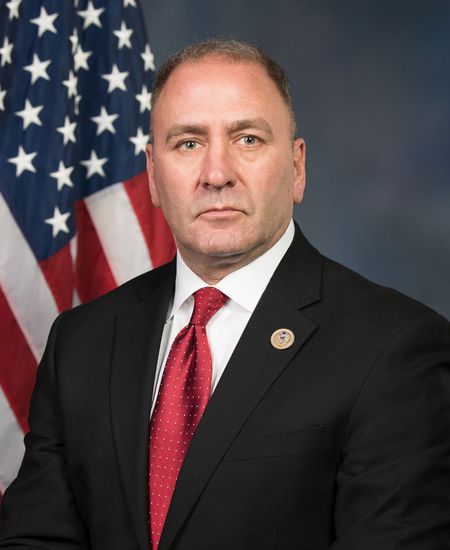
Rep. Clay Higgins
Sponsored bills
Maddy summaryHR 4848, the Censorship Accountability Act, allows individuals to sue federal employees who, while acting in their official capacity, deny others their First Amendment rights (such as free speech or assembly). It directly affects federal employees (excluding the President/Vice President) who may restrict protected expression under federal law. Key provisions create a private right of action for victims to seek legal redress in court, with courts able to award attorney fees to the winning party. The bill explicitly excludes lawsuits against the federal government for employment-related conduct and clarifies that unconstitutional sections won’t invalidate the rest of the law.
Maddy summaryHJRES 182 is a joint resolution that disapproves a rule issued by the Department of Health and Human Services (HHS) regarding placement requirements for LGBTQI+ children in foster care. The rule, published in the Federal Register on April 30, 2024, would have set specific standards for how foster care agencies must place these children. If enacted, this resolution would make the HHS rule unenforceable, blocking its implementation nationwide. The bill directly targets the HHS rule, preventing it from affecting foster care systems and related policies.
Keep Every Extra Penny Act of 2024 This bill excludes from gross income, for income tax purposes, overtime compensation required to be paid by the Fair Labor Standards Act of 1938 (hours of work in excess of 40 in a week).
Maddy summaryThis bill requires credit card issuers and financial institutions to implement specific protections for senior citizens (65+) against financial exploitation. Card issuers must provide fraud alerts to seniors and a selected contact person (25+ and related or identified) when activating pre-approved credit cards, while banks/credit unions must train staff to spot exploitation signs and notify seniors within 24 hours of suspicious activity like unusual ATM use, large gift card purchases, or sudden account changes. The law lists 12 specific red flags that trigger these notifications, such as irregular cash withdrawals or new authorized users. Seniors may waive the contact alert requirement if they sign a written acknowledgment of increased risk, which issuers must retain for five years.
Maddy summaryHRES 1336 is a House resolution requesting Vice President Kamala Harris to initiate Section 4 of the 25th Amendment. It asks her to convene Cabinet officers to formally declare President Biden unable to carry out presidential duties and assume acting presidential powers. The resolution is procedural and has no legal effect - it only makes a formal request to the Vice President. It does not change any laws or require action from the President or Cabinet.
Maddy summaryHR 8889, the Sunset Chevron Act, requires the Government Accountability Office (GAO) to compile a list of federal court decisions that upheld agency rules using Chevron deference (a legal doctrine where courts defer to agency interpretations of laws) and are still in effect. The GAO must organize this list by agency and assign each rule a sunset date - 30 days after the list's publication for the most recent rule, with older rules getting sunsets 30 days apart. This bill directly affects federal agencies whose rules are included in the GAO's list, as it triggers automatic expiration of those rules after specific dates. The key mechanism is the mandatory GAO review and the automatic sunset schedule, not new regulations or policy changes. The bill does not alter Chevron deference itself but creates a timeline for existing rules upheld under it to expire.
Maddy summaryHJRES 170 is a resolution seeking congressional disapproval of a federal rule that would have required new housing projects financed by the Department of Housing and Urban Development (HUD) or the Department of Agriculture (USDA) to meet specific energy efficiency standards. The rule, published in April 2024, aimed to set these standards for new construction in federally subsidized housing. If passed, this resolution would block the rule under the Congressional Review Act, making it legally void. It directly affects developers and builders of HUD- and USDA-financed housing by removing the requirement to comply with these energy standards.
Maddy summaryThis bill gives the FDA authority to require the destruction of imported goods refused entry due to significant public health risks, expanding beyond just food and drugs to cover all goods. It directly affects importers of rejected shipments who must comply with destruction orders and prohibits unauthorized movement (including export) of such goods. Key provisions include amending FDA law to mandate destruction for refused articles posing health concerns and creating new penalties for moving these items without authorization. The law requires FDA to issue implementing regulations within 90 days of enactment.
Maddy summaryThe Conscience Protection Act of 2024 would strengthen protections for health care providers, facilities, and organizations that refuse to participate in or provide coverage for abortions, assisted suicide, or other procedures conflicting with their religious or moral beliefs. It creates a private right of action allowing individuals or entities to sue when their conscience rights are violated, and requires the Department of Health and Human Services to enforce existing conscience protections through the Office for Civil Rights. The bill prohibits discrimination against health care entities that decline to provide or facilitate these services, while ensuring these protections don't interfere with emergency care requirements under existing law. It also establishes clearer enforcement mechanisms, including the ability to terminate federal funding for non-compliance with conscience protections.