

Maddy summaryHRES 702 is a symbolic House resolution (not a binding law) expressing the House's "sense" that the federal government should develop a "restaurant workers' bill of rights." It does not create new policies but calls for future legislation to address systemic issues affecting restaurant workers, including low wages, lack of healthcare access, discrimination, unsafe conditions, and inadequate leave. The resolution outlines five key areas for such future legislation: ensuring fair pay and economic security, paid leave and predictable schedules, safe workplaces, healthcare access (including reproductive care), and protections for organizing and voting. It specifically references existing bills (like the LIFT the BAR Act and EACH Act) as potential models for this future framework. The resolution directly affects the 12.5 million U.S. restaurant workers, who face disproportionate poverty, discrimination, and workplace hazards.
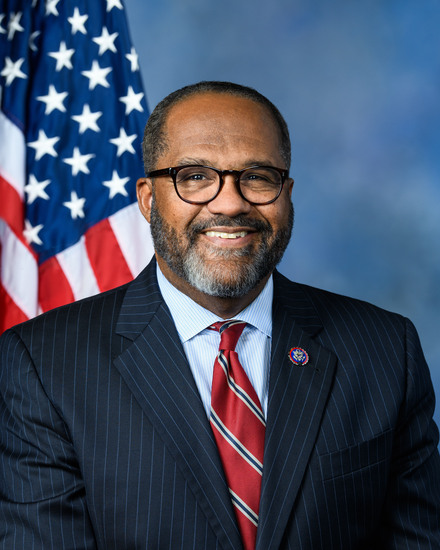
Rep. Troy A. Carter
Sponsored bills
Drought Assistance Improvement Act This bill modifies access to two Farm Service Agency (FSA) administered programs: the Livestock Forage Disaster Program (LFP) and the Emergency Assistance for Livestock, Honey Bees, and Farm-Raised Fish Program (ELAP). The bill modifies the LFP to allow for one monthly payment when a county has four consecutive weeks of a D2 rating (severe drought) and two payments for eight consecutive weeks of D2. Currently, one payment is available for eight consecutive weeks of D2. (LFP makes payments to eligible livestock producers who have suffered grazing losses on drought-affected pastureland, including cropland planted specifically for grazing.) The bill also expands coverage under ELAP for losses caused by adverse weather or drought. The bill includes under ELAP the loss of a crawfish harvest due to adverse weather or drought. (ELAP provides payments to producers of livestock, honey bees, and farm-raised fish as compensation for losses due to disease, adverse weather, feed or water shortages, or other conditions that are not covered under other programs.) The FSA must establish ELAP documentation standards for (1) collecting data, (2) the production of crawfish, and (3) defining loss conditions due to drought.
Maddy summaryHR 5086, the COLAs Don’t Count Act of 2023, amends the Food and Nutrition Act to exclude certain cost-of-living adjustments (COLAs) from counting as income for Supplemental Nutrition Assistance Program (SNAP) eligibility. Specifically, it removes increases from Social Security (Title II), Supplemental Security Income (Title XVI), Railroad Retirement, and Veterans benefits (38 U.S.C. §5312) from SNAP income calculations when determining household eligibility. This change directly affects SNAP recipients whose benefits include these COLAs, potentially allowing more households to qualify for assistance. The amendment takes effect October 1, 2024.
Maddy summaryHR 5246, the National Agricultural Crisis Hotline Act of 2023, creates a federally funded 24/7 crisis hotline specifically for farmers, ranchers, farm workers, and their families facing mental health or substance use challenges. The hotline must provide real-time voice and texting support, staffed by licensed professionals trained in agricultural mental health stress, with 24-hour follow-up calls and translation services. It requires collecting detailed call data and partnering with existing farm helplines, the 988 Suicide Lifeline, and USDA programs to connect callers to resources. The bill appropriates $19 million annually (starting 2024) for the hotline's operation, including $4 million yearly for the hotline itself, and mandates an annual effectiveness report to Congress. This directly addresses the documented crisis of elevated suicide rates among agricultural workers by expanding accessible, specialized mental health support.
Maddy summaryHCONRES 67 designates the week of September 17-23, 2023, as "National Fall Prevention Awareness Week" to highlight fall risks among older adults (aged 65+). It cites CDC data showing falls cause ~39,000 preventable deaths and $50 billion in annual medical costs for this group. The resolution supports existing evidence-based fall prevention programs - like balance exercises, home hazard reduction, and medication management - and encourages collaboration between federal agencies, community organizations, and healthcare providers to raise awareness. It does not create new laws but formally recognizes ongoing efforts to reduce falls.
Maddy summaryHRES 700 is a non-binding congressional resolution expressing support for designating September 2023 as "National Prostate Cancer Awareness Month." It highlights that prostate cancer affects 1 in 8 U.S. men and has significantly higher mortality rates among African-American men, while urging increased public awareness, early screening promotion, and research funding. The resolution does not create new laws or allocate funds but encourages the public, healthcare providers, and organizations to promote awareness and support efforts to improve detection and treatment. It aligns with existing federal cancer research investments, such as the $7.1 billion allocated to the National Cancer Institute in 2023.
Maddy summaryHRES 692 designates September 2023 as "Sickle Cell Disease Awareness Month" to promote education about sickle cell disease (SCD) across the U.S. It directly affects communities impacted by SCD - estimated at 100,000 people in the U.S., with higher prevalence among African and Hispanic Americans - and encourages broader public awareness. The resolution calls for educational events focused on early detection, effective treatments, preventative care, and complications related to SCD. It also urges federal agencies to address barriers to equitable access to SCD therapies and supports efforts by organizations like the Sickle Cell Disease Association of America. This is a symbolic resolution without new legal requirements, aiming to raise public knowledge and support for SCD-related initiatives.
Maddy summaryThis bill amends the Higher Education Act to require all U.S. colleges and universities receiving federal financial aid to create detailed anti-harassment policies covering physical, online, and institution-sponsored settings. It mandates policies prohibiting harassment based on race, sex (including sexual orientation and gender identity), disability, religion, and other protected characteristics, including harassment via institutional email, computers, or electronic messaging. The bill also establishes a $50 million annual grant program to fund colleges developing prevention programs, victim support services, and training for students and staff on recognizing and addressing harassment. These policies and grants must comply with existing civil rights laws like Title IX but add specific requirements for reporting and prevention.
Maddy summaryThe REDUCE Act of 2023 imposes an excise tax on virgin plastic resin and certain single-use plastic products, starting at 10 cents per pound in 2024 and increasing to 20 cents per pound by 2026 (with annual inflation adjustments). The tax applies to manufacturers, producers, and importers of plastic products, with exemptions for small businesses producing less than 10 tons annually. Revenue from the tax will fund the Plastic Waste Reduction Fund, which will support recycling infrastructure, reuse systems, and marine debris cleanup efforts. The bill specifically excludes medical products, certain packaging, and hygiene items from the tax requirements.
Maddy summaryThe CURE Act prohibits federal agencies from denying security clearances or federal employment based on past or present marijuana use. It requires agencies to review all denials made since 2008 for this reason and reconsider applications within 90 days of a request. Affected individuals can appeal denied reconsiderations to the Merit Systems Protection Board, which must resolve appeals within 120 days. The bill specifically excludes marijuana use from disqualification criteria under existing security clearance rules, applying to all federal job applicants and current employees.