

Maddy summaryHRES 716 is a symbolic resolution designating September 15-19, 2025, as "National Clean Energy Week" to raise awareness about clean energy. It encourages voluntary actions like investing in clean energy technologies but does not create new laws, funding, or requirements. The resolution cites the clean energy sector's economic role (noting 8.5 million U.S. jobs in 2024 per the Department of Energy) and applauds national laboratories. As a non-binding gesture, it directly affects no individuals or entities but aims to promote existing clean energy initiatives.
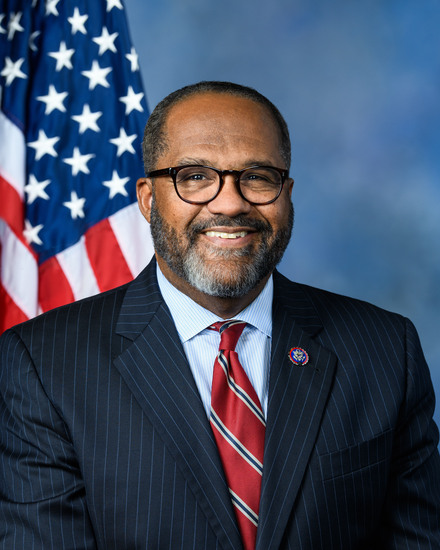
Rep. Troy A. Carter
Sponsored bills
Maddy summaryThe George Floyd Justice in Policing Act of 2025 would establish a National Police Misconduct Registry to track officer complaints, disciplinary actions, and misconduct records across all law enforcement agencies. It would require law enforcement agencies to implement body-worn camera programs with specific recording and retention policies, ban chokeholds and no-knock warrants in drug cases, and reform qualified immunity to make it easier to hold officers accountable for misconduct. The bill mandates comprehensive data collection on use of force incidents, requiring agencies to report detailed information about stops, searches, and force used, disaggregated by race, ethnicity, gender, and other demographics. These provisions would directly affect all Federal, State, and local law enforcement agencies that receive federal grant funding, with requirements for policy changes, training, and data reporting.
Maddy summaryThe FAIR Act of 2025 would prohibit companies from requiring pre-dispute arbitration agreements or waivers that prevent individuals from joining class or collective lawsuits in employment, consumer, antitrust, or civil rights cases. This directly affects workers, consumers, and small businesses who currently face forced arbitration for issues like workplace discrimination, product defects, or unfair business practices. The bill makes such agreements unenforceable while allowing voluntary arbitration after disputes arise and leaving collective bargaining agreements unaffected. It applies to all disputes occurring after the law takes effect, without changing how voluntary arbitration works post-dispute.
Maddy summaryThis bill provides compensation to victims of accidents involving General Motors vehicles manufactured or sold before June 1, 2009, who filed claims in the GM bankruptcy case (In re Motors Liquidation Company). It waives statute of limitations for lawsuits alleging the government violated constitutional "takings" rights by taking GM assets during its 2009 bailout, requiring the U.S. to pay "just compensation" equal to 2.5 times their bankruptcy claim amount plus interest from July 2009. Payments include legal fees and are based on claims already filed in the bankruptcy case. The bill directly affects individuals who suffered death or injury from GM vehicles and submitted proof of claim in that bankruptcy proceeding.
Maddy summaryHR 5309, the Congressional Tribute to Constance Baker Motley Act of 2025, authorizes a posthumous Congressional gold medal for Constance Baker Motley, a pioneering civil rights attorney and judge. The bill directs the Treasury Secretary to strike the medal with her image and name, to be presented to her son, Joel W. Motley III, and her niece, Constance Royster. It also permits the sale of bronze duplicates at cost to cover expenses, with proceeds going to the U.S. Mint fund. This is a commemorative measure with no substantive policy changes, honoring Motley’s legacy as the first African-American woman appointed to a federal judgeship.
Maddy summaryThis symbolic resolution recognizes the victims, survivors, and thousands of Americans impacted by the September 11, 2001 attacks. It honors public servants who maintain national security and urges the government to uphold the Department of Homeland Security's mission. The resolution does not create new laws or change funding; it is a commemorative statement emphasizing the importance of counterterrorism efforts and honoring lessons from 9/11.
Maddy summaryThis resolution (HRES 691) commemorates the 135th anniversary of the 1890 Institutions - 19 historically Black land-grant universities established under the 1890 Morrill Act - to be observed on August 30, 2025. It recognizes these institutions’ 135 years of contributions to agricultural education, research, and extension, serving over 88,000 students in fields like STEM and agriculture. The resolution encourages federal and state ceremonies to celebrate their work and supports continued partnership with the USDA, though it does not create new funding or policy changes. It is a non-binding expression of congressional support for these institutions’ historical and ongoing mission.
Sickle Cell Disease Comprehensive Care Act This bill allows state Medicaid programs to establish health homes to provide coordinated care for individuals with sickle-cell disease. (Under current law, state Medicaid programs may establish health homes to provide coordinated care for individuals with specified chronic conditions.) States must ensure that such care includes dental and vision services. The Centers for Medicare & Medicaid Services must issue best practices for states on how to design and implement such health homes.
Maddy summaryHRES 675 is a symbolic resolution expressing the U.S. House of Representatives' support for designating September 2025 as "National Prostate Cancer Awareness Month." It directly affects all Americans, particularly men at risk of prostate cancer - including those with family history, African-American men (who face higher incidence and mortality rates), and men under 65 (40% of new cases). The resolution calls for raising public awareness about screening methods, encouraging research into prevention and treatment, and promoting community actions to combat prostate cancer. It does not create new laws or allocate funding, but urges public and private efforts to improve early detection and outcomes.
Maddy summaryHR 5124, "River's Law," amends federal child care safety rules for facilities receiving Child Care and Development Block Grant funding. The bill directly affects federally funded child care centers by requiring them to prohibit pools on their premises and install door and window alarms. Key provisions add specific safety standards to existing regulations: (1) banning pool construction/maintenance at child care sites, and (2) mandating alarms to prevent unsupervised access. These changes apply to all centers operating under the Child Care and Development Block Grant program.