

This resolution expresses support for the goals and values of the 54th anniversary of the Fair Housing Act and for efforts to strengthen housing protections, particularly during the COVID-19 pandemic and recovery.
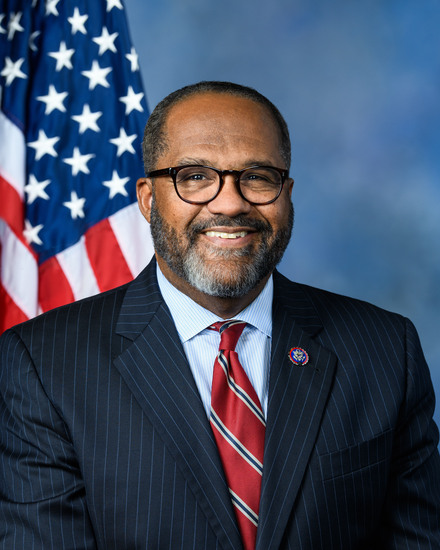
Rep. Troy A. Carter
Sponsored bills
Maddy summaryThis resolution (HRES 981) commemorates the one-year anniversary of the March 16, 2021, Atlanta spa shootings that killed eight people, six of whom were Asian women, and denounces anti-Asian hate. It formally condemns the violence, honors the victims, and recognizes the ongoing impact of anti-Asian hate crimes on the Asian American and Pacific Islander community. The resolution reaffirms support for the existing COVID-19 Hate Crimes Act and commits the federal government to combating hate and violence against AAPI communities. As a symbolic measure, it does not create new laws or funding but serves as a formal statement of solidarity.
This resolution recognizes Claudette Colvin as an integral figure of the civil rights movement and honors her actions leading to the Montgomery Bus Boycott and the related Supreme Court ruling that found segregation on buses to be unconstitutional.
Maddy summaryHRES 909 is a non-binding resolution that condemns workplace violence against healthcare personnel and expresses support for them amid severe staffing shortages and rising stress in the healthcare system. It specifically calls on the Department of Justice to investigate assaults on healthcare workers and the Department of Labor to improve workplace violence prevention resources in healthcare settings. The resolution also urges federal agencies to provide mental health support for healthcare workers facing increased trauma and stress. As a symbolic resolution, it does not create new laws but sets a policy stance and recommends actions for federal agencies to address this issue.
Maddy summaryHRES 507 is a non-binding House resolution condemning legislative actions and violence targeting transgender and nonbinary individuals. It references 2021 state bills restricting transgender youth access to gender-affirming medical care, sports participation, and public facilities, alongside statistics on rising violence (44 transgender killings in 2020) and mental health impacts. The resolution formally condemns discriminatory legislation and violence, remembers victims of transphobic hate, and commits to advocating for the community’s safety. As a symbolic resolution - not a law - it expresses congressional disapproval but does not create new policies or alter existing laws.
This resolution expresses the sense of the House of Representatives that (1) lesbian, gay, bisexual, transgender, queer, intersex, and asexual (LGBTQIA+) rights are human rights and protected by the U.S. Constitution; (2) LGBTQIA+ Pride Month should be celebrated; and (3) all Americans should be treated equally regardless of sexual orientation or gender identity.
Empowering and Enforcing Environmental Justice Act of 2022 This bill provides statutory authority for the Department of Justice's Office of Environmental Justice. It also establishes grants to improve the capacity of state, local, and tribal governments to enforce environmental laws involving environmental justice matters.
Saving Abortion Facilities from Extremists for Patients Act or the SAFE for Patients Act This bill establishes a civil action for damaging or destroying a reproductive health care facility or for harassing, injuring, or intimidating a person who provides or obtains reproductive health services.
Governing Unaccredited Representatives Defrauding VA Benefits Act or the GUARD VA Benefits Act This bill imposes criminal penalties and/or fines on individuals for directly or indirectly soliciting, contracting for, charging, or receiving any unauthorized fee or compensation with respect to the preparation, presentation, or prosecution of any claim for Department of Veterans Affairs benefits. The attempted commission of such offenses is also punishable by fine or imprisonment.
Maddy summaryThis bill establishes a process for courts to expunge marijuana-related misdemeanor records from official criminal justice systems. It applies to individuals with qualifying marijuana misdemeanor arrests, charges, or convictions that occurred at least one year ago and meet specific criteria (such as not involving violence or ongoing legal proceedings). Courts will remove these records, seal or redact related records, and notify affected individuals and agencies. The bill also requires a demographic study of those affected and specifies that expungement does not apply to felony or non-marijuana-related misdemeanor records. The law will take effect 180 days after enactment.