

Maddy summaryThis bill prohibits companies from using automated systems to set prices or wages based on surveillance data about consumers or workers. It bans "surveillance-based price setting" (personalized pricing based on consumer tracking) and "surveillance-based wage setting" (using personal data to determine worker pay), with limited exceptions for standard discounts like student or senior citizen rates when properly disclosed. Companies must publish clear procedures about how their automated systems work, including how data is used and how consumers/workers can challenge inaccuracies. The Federal Trade Commission and Equal Employment Opportunity Commission will enforce the law, and individuals can file lawsuits to challenge violations. The bill also prohibits pre-dispute arbitration agreements that would prevent class action lawsuits.
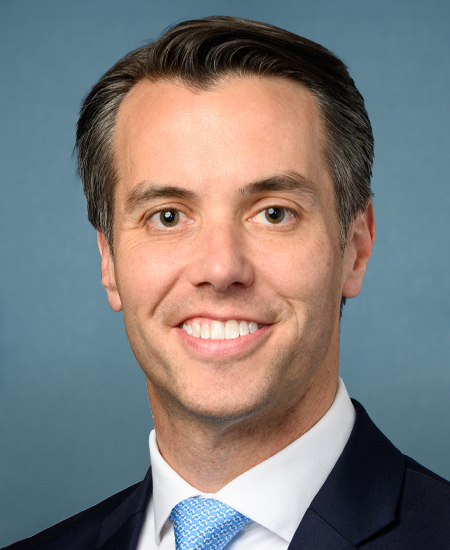
Rep. Morgan McGarvey
Sponsored bills
Maddy summaryThe End Solitary Confinement Act would prohibit most solitary confinement in federal prisons and detention centers, requiring all incarcerated people to have at least 14 hours daily of out-of-cell group interaction in shared spaces. It establishes strict limits on when solitary confinement can be used (only for brief counts, emergencies as a last resort, or medical isolation), with specific protections for vulnerable populations including youth, the elderly, people with disabilities, pregnant people, and LGBTQ+ individuals. The bill creates a community monitoring body to oversee implementation, requires detailed reporting on confinement practices, and provides incentives for states to adopt similar standards through funding adjustments. It also includes due process protections for placement in restrictive housing and prohibits punitive practices like limiting access to services or confiscating personal property.
Maddy summaryThis bill amends the Internal Revenue Code to change how gambling losses are deducted for tax purposes. It allows taxpayers to deduct gambling losses against all income (not just gambling winnings) in the same tax year, directly affecting individuals who itemize deductions and have losses exceeding their gambling winnings. The key provision removes a prior restriction that limited loss deductions to winnings, making the deduction more broadly applicable. The change applies to taxable years beginning after December 31, 2025.
Resident Physician Shortage Reduction Act of 2025 This bill increases the number of residency positions eligible for graduate medical education payments under Medicare for qualifying hospitals, including hospitals in rural areas and health professional shortage areas. The bill provides for an additional increase of 2,000 positions per fiscal year from FY2026-FY2032; during this period, each hospital may receive up to 75 additional positions in total under the bill and current law. Additionally, one-third of the positions that are made available under the bill must be allocated to hospitals that are already operating above applicable resident limits. The bill also requires the Government Accountability Office to report on strategies to increase the diversity of the health professional workforce, including with respect to representation from rural, low-income, and minority communities.
Maddy summaryH.J. Res. 108 proposes a constitutional amendment to remove legal immunity for federal officials, including the President, from criminal prosecution for actions taken while performing official duties. It would prohibit the President from granting pardons to themselves and eliminate the defense that "official authority" excuses violations of federal or state law (with limited exceptions for certain congressional actions). If ratified, this amendment would require Congress to pass implementing laws to enforce these changes. The proposal is currently in the House Judiciary Committee and requires approval by three-fourths of state legislatures to become part of the Constitution.
Maddy summaryHR 1522, the Federal Retirement Fairness Act, changes federal retirement rules to include temporary employees' service after January 1, 1988, in retirement benefit calculations. It directly affects temporary federal employees (including U.S. Postal Service workers) and Members of Congress who served after that date. The bill removes a previous cutoff date in retirement law, allowing their temporary service to count toward retirement eligibility. This means eligible temporary workers can now have their full service period considered when calculating retirement benefits.
Maddy summaryThis bill requires Medicaid, Children's Health Insurance Program (CHIP), and private health plans to cover human milk fortifier - specialized nutritional products made from donor human milk - without cost-sharing for eligible premature infants. It directly affects infants under 1 year with specific medical needs, such as birth at 34 weeks or less, birth weight under 1,800 grams, or certain health conditions requiring this fortifier. Key provisions mandate no deductibles or copays for this coverage starting January 1, 2026, and define eligibility criteria for healthcare providers to determine medical necessity. The law applies broadly across federal health programs and private insurance, ensuring access to this nutrition support for qualifying infants.
Maddy summaryThis bill establishes federal worker heat protection standards to prevent heat-related illness and injury. It requires employers to provide a workplace free from heat stress hazards, including access to cool water, scheduled rest breaks, shaded cooling areas, and training on heat illness symptoms. The Secretary of Labor must create these standards within one year, incorporating evidence-based practices like engineering controls (e.g., ventilation), administrative measures (e.g., adjusted schedules), and employer-paid personal protective equipment. The law directly affects all employers in high-heat work environments - such as construction, agriculture, and manufacturing - and strengthens whistleblower protections for workers reporting safety violations.
Maddy summaryThe Housing Is a Human Right Act of 2025 creates new federal programs to address homelessness and housing instability. It establishes a CDBG Plus program to fund permanent affordable housing, supportive services, and basic infrastructure like public bathrooms and rest areas for homeless individuals. The bill prohibits criminalizing homelessness (such as sleeping in public) and requires jurisdictions to adopt "Housing First" approaches that connect people to housing without preconditions like sobriety requirements. It also creates new taxes on luxury real estate sales and large landlords to fund these programs, and includes provisions to help homeless people vote by removing barriers like ID requirements. The bill directly affects people experiencing homelessness, housing instability, and those who are cost-burdened (spending over 22% of income on housing), as well as local governments and housing providers.
Maddy summaryThe Child Care for Working Families Act creates a federal program to provide affordable, high-quality child care for working families with children under age 6. It would provide direct child care assistance through certificates or grants to parents, with no copayment required for families at or below 85% of state median income. The program requires states to implement quality standards for child care providers, including a tiered quality system and minimum wage requirements for staff (at least a living wage equivalent to elementary educators). The bill appropriates $20 billion for the program over five years, with additional funding for quality improvement initiatives and universal preschool services.